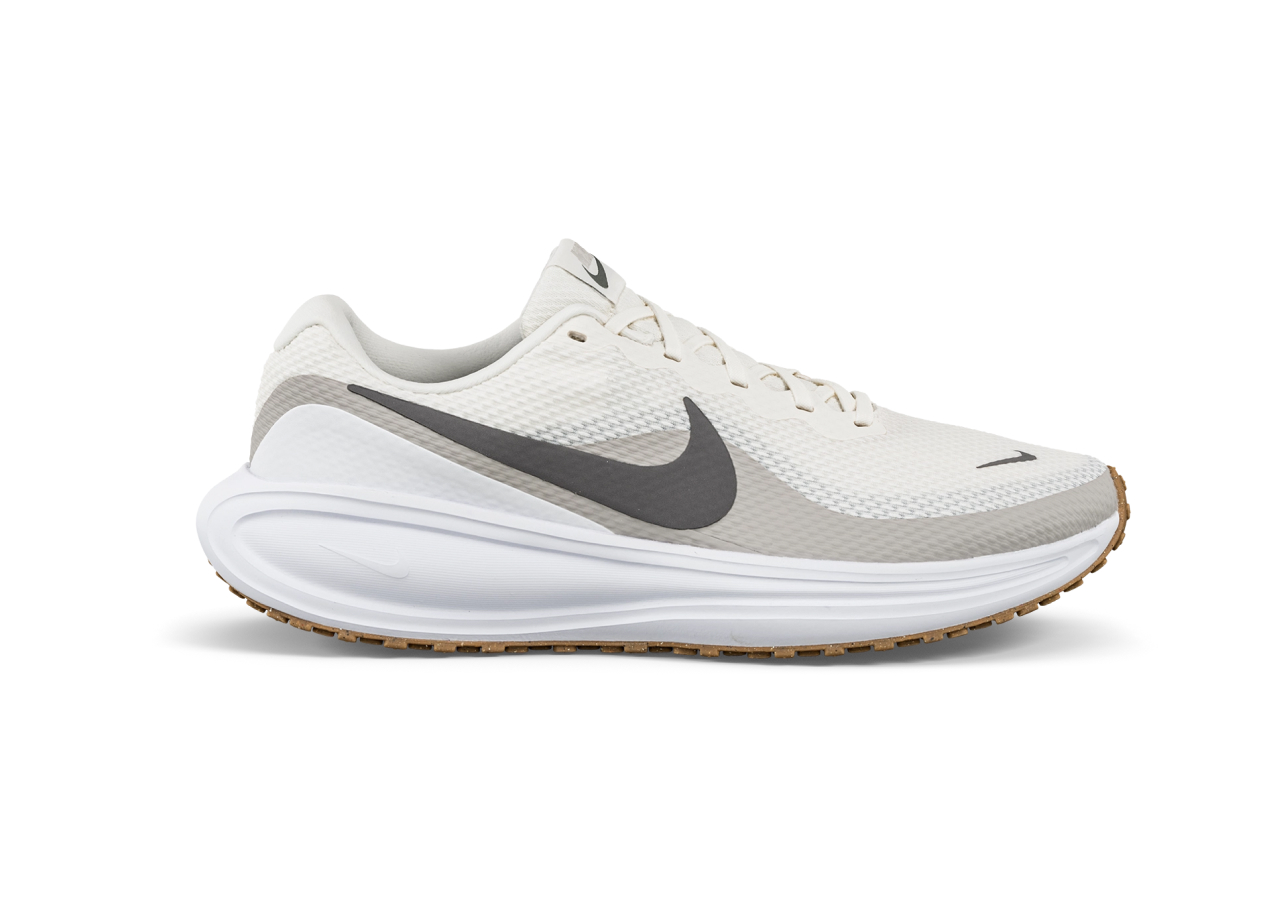
Trying to figure out if something will fit or look right just from a picture is tough. But augmented reality (AR) is changing the way we shop online, especially when it comes to things like shoes, apparel, and bags. With AR, you can see products on yourself or right in your space, which takes away a lot of the guesswork.
People get more excited about shopping, and it’s just easier to hit that checkout button when you actually know what you’re getting. So, in this article, we’ll talk about 9 real-world augmented reality e-commerce examples that are pushing the boundaries with AR. Let’s find out how these brands are finding new ways to make online shopping feel more real, more fun, and way more personal.
1. GANT: Improving Conversions with 3D-First Virtual Try-On and AR

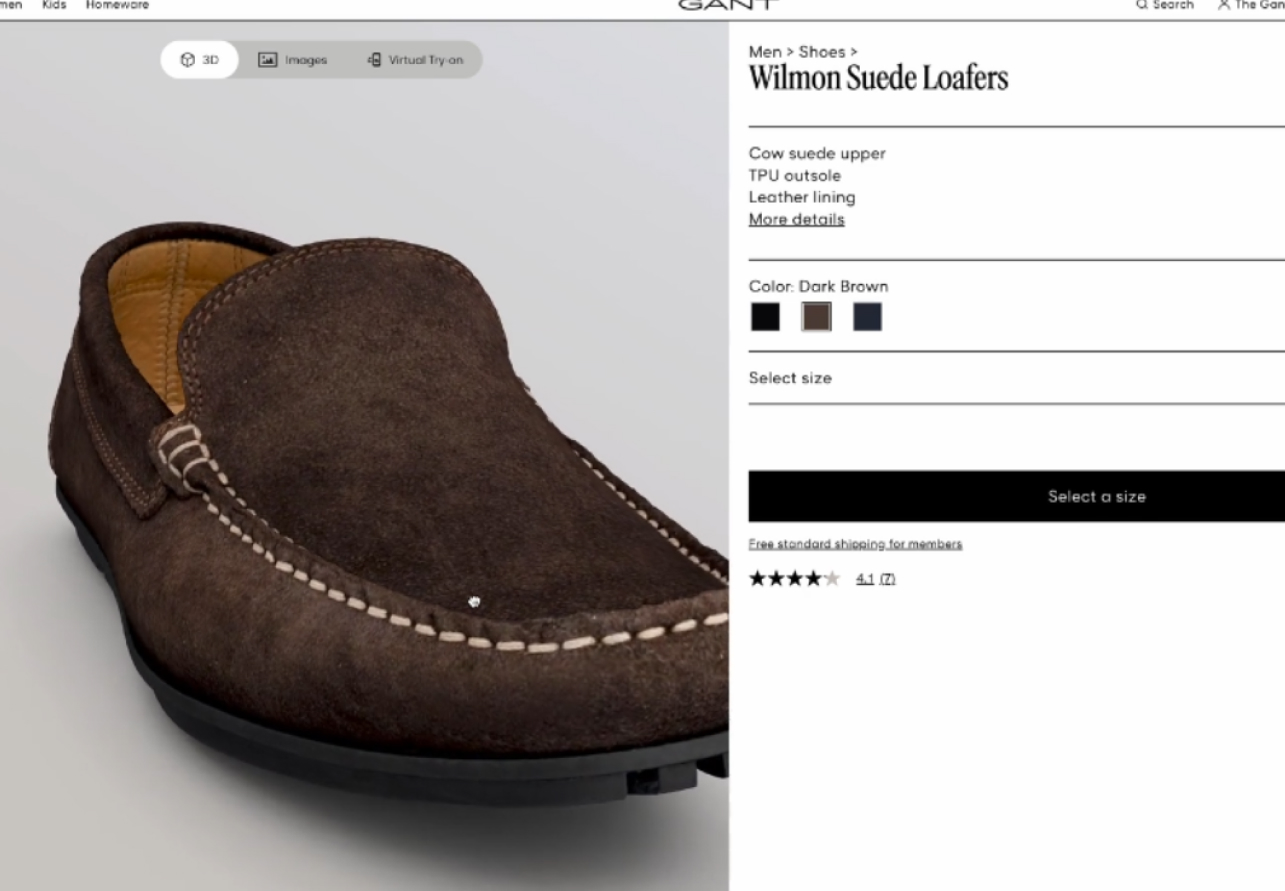
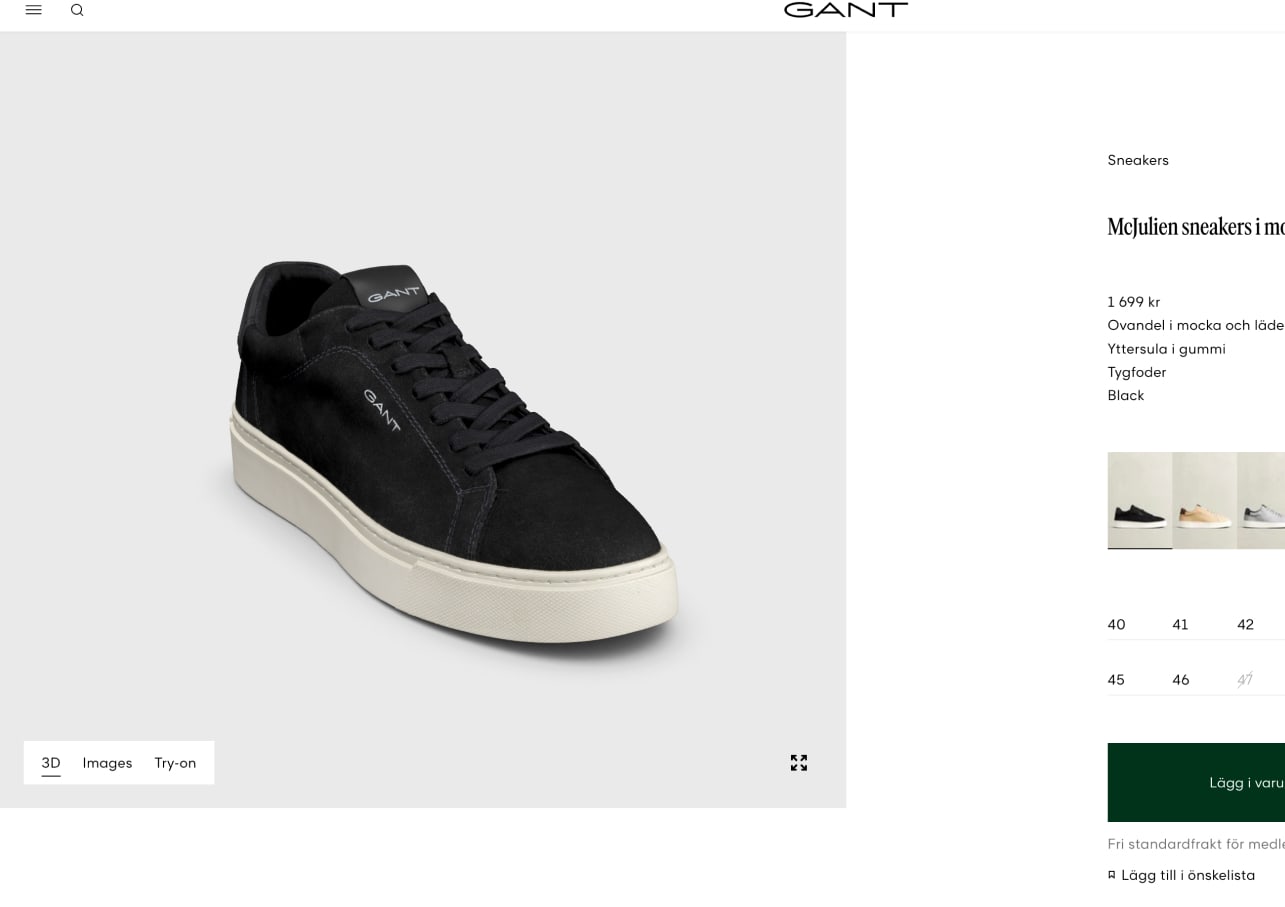
GANT is a global lifestyle brand known for premium footwear and apparel that blends classic American sportswear with European design. With a large, frequently updated product catalog sold across multiple markets, traditional product photography was costly, slow, and difficult to scale. It also failed to show shoes accurately online. Thus, the company adopted a 3D-First e-commerce strategy using Fibbl’s 3D and augmented reality experiences across its entire product catalog.
How They Use AR:
- Virtual Try-On: Lets shoppers see how shoes look on their own feet, increasing confidence in fit and style.
- In-space AR: Allows customers to visualize products in their real environment.
- Interactive 3D models: Replace static images on PDPs, enabling shoppers to look at products from every angle.
Results:
- A/B tests showed a 6.3% conversion uplift across multiple markets, directly linking 3D and AR experiences to increased purchases.
- Shoppers spent more time engaging with product details, reducing hesitation and drop-off.
- AR experiences were seamlessly embedded into PDPs and marketing touchpoints via Fibbl.
2. Zach Footwear: Reducing Returns with 3D and AR
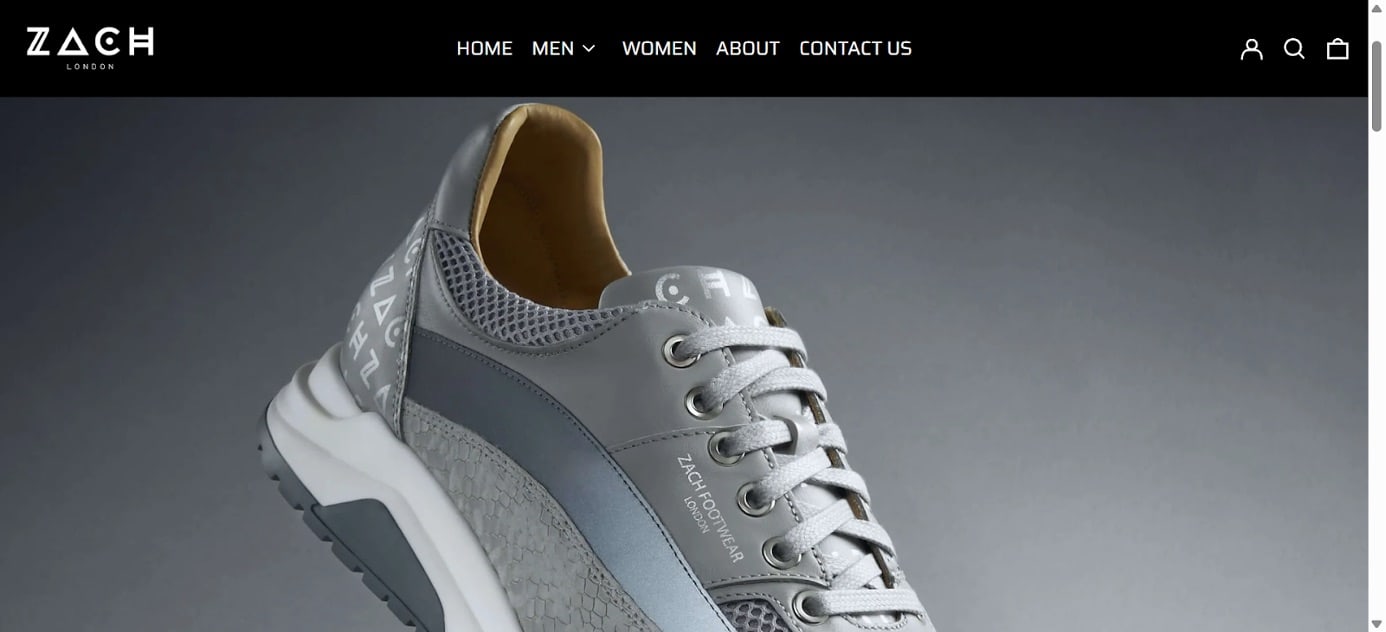
Zach Footwear is a contemporary footwear brand focused on modern silhouettes and direct-to-consumer e-commerce. Like many online-first shoe brands, Zach faced challenges around product clarity and high return rates caused by unmet customer expectations. Consumers couldn’t fully assess shape, proportions, or detailing through traditional 2D imagery alone. Thus, the brand integrated AR into its e-commerce experience with Fibbl, focusing on giving customers deeper product insights.
How They Use AR:
- Interactive 3D: Shoppers can rotate, zoom, and inspect footwear from every angle.
- AR Try-On: Customers can view shoes at true-to-scale in their own environment.
Results:
- The brand achieved a 29.4% reduction in return rates, a standout metric showing how AR clarity reduces mismatched expectations.
- Single 3D assets now power product pages, AR, and marketing visuals, saving product content production time and cost.
- Fibbl’s integrated AR tools help tie these experiences into the checkout journey and across devices.
3. Nubikk: Click-Through Boost with Virtual Try-On

Nubikk is a premium footwear brand recognized for minimalist design and craftsmanship. Selling primarily online, Nubikk wanted to help shoppers better understand materials, proportions, and styling without relying solely on static imagery.
How They Use AR:
- Virtual Try-On: Customers can view shoes in their real-world environment through a camera-based AR experience.
- Interactive 3D Views: Shoppers can rotate and inspect footwear in detail, gaining a clearer sense of materials, construction, and design nuances.
- Shareable AR Experiences: AR views can be accessed directly from product pages or shared via QR codes and short links.
Results:
- 12% increase in click-through rates on product pages where AR experiences were available, indicating higher engagement and intent.
- Greater shopper confidence, as interactive previews reduce uncertainty and encourage deeper exploration.
- Improved conversion momentum, with AR turning initial curiosity into action further down the purchase funnel.
- Flawless e-commerce integration, with Fibbl’s tools fitting naturally into existing product pages without disrupting the shopping flow.
4. Løci: High Engagement Through Immersive Product Views

Løci is a sustainability-focused footwear brand catering to a style-conscious, digital-native audience. With customers buying without ever visiting a physical store, the brand prioritizes transparency and product confidence online.
So, it leveraged Fibbl’s virtual try-on and 3D experiences across its product pages to boost product discovery.
How They Use AR:
- Interactive Product Views: Shoppers can explore footwear from every angle, closely inspecting design details, proportions, and materials.
- AR Experience: Allows customers to view shoes in context on both mobile and desktop
- Frictionless Access: AR experiences launch directly from product pages, with no additional apps required.
Results:
- Enhanced product exploration leads to better engagement and time on site, which are key e-commerce signals for conversion likelihood.
- Customers feel more confident buying without physical store visits.
5. Samsonite: Improves ROI with Interactive 3D for Luggage

Samsonite is one of the world’s leading luggage brands. When selling bags, size, capacity, and structure are critical buying factors. Conveying these details through dull 2D images alone is often insufficient for e-commerce shoppers. luggage brand adopted AR to showcase its products better.
How They Use AR:
- Detailed 3D Models: Shoppers can look at luggage proportions and features in real space.
- AR Visualization: Customers can visualize suitcase size using AR.
- 3D Assets: The brand repurposes 3D assets for marketing campaigns and product pages.
Results:
- Helps eliminate guesswork around size and capacity, a common barrier for bag buyers.
- AR gives bags immersive clarity, which engages shoppers better.
- Repurposing 3D assets enhances ROI on digital content.
6. American Tourister: Driving Buyer Confidence with AR Luggage Visualization

American Tourister is a global luggage brand selling a broad range of suitcases and bags across digital channels. For suitcases and bags, dimensions, volume, and proportions are core purchase drivers. The brand needed a clearer way to communicate product size online without relying on multiple photoshoots or in-store comparisons, so they partnered with Fibbl for AR and 3D experiences for their customers.
How They Use AR:
- True-to-Scale AR: Shoppers can view suitcases and bags in their real, physical size.
- 3D Models: Interactive 3D let customers explore structure, wheels, handles, and form factor.
Results:
- Higher shopper engagement and dwell time on AR-enabled product pages.
- Improved purchase confidence for high-consideration luggage items.
- Boosts buyer confidence and reduces dependency on reshoots and multi-angle photography for each SKU.
7. Elvardi: Enhancing Product Confidence with AR

Elvardi is a UK-based online retailer of premium sneakers for men and women. Texture, shape, and finishing play a major role in showcasing their superior product quality. The brand adopted 3D and AR to bring customers closer to the physical product in an online environment.
How They Use AR:
- 3D Models: Product views show footwear in real environments or as virtual try-on overlays.
- On-Device Details: Enables shoppers to view design details and proportions from the comfort of their device.
Results:
- Customers feel closer to in-store browsing, increasing trust and decision comfort.
- AR interactions help bridge the gap between photo and physical experience, reducing hesitation and friction at checkout.
8. Gucci: AR Sneaker Try-On to Improve Pre-Purchase Confidence

Gucci is a global luxury fashion house known for trend-setting footwear releases. As mobile shopping increased, Gucci introduced AR to recreate the exclusivity of in-store discovery online. They added AR sneaker try-on to their mobile app, allowing customers to visualize sneakers in real time via camera overlay.
How They Use AR:
- Live Try-On: Users point their device at their feet and virtually try on different sneaker styles.
- Real-Time Tracking: The customer experience includes real-time tracking where sneakers move naturally with the user’s feet, and detailed 3D models of footwear.
Results:
- Enables better pre-purchase evaluation of style and fit, which is critical for high-value items.
- AR contributes to customer engagement and loyalty by offering a unique, tech-forward experience.
9. Burberry: AR for Handbags & Size Visualization to Improve Conversions

Burberry is a luxury heritage brand with a strong focus on digital innovation. For handbag shoppers, understanding scale, structure, and styling context is essential. The Burberry team added an AR shopping tool on its website that lets customers place true-to-scale 3D models of its signature handbags into their real space.
How They Use AR:
- Realistic Scale: The AR displays products at real scale, including interior and exterior detail.
- In-Context Viewing: Shoppers can view how bags look in their own environment before buying.
Results:
- Enhances confidence and reduces size-related uncertainty, a common pain point for handbag buyers.
- Simulates in-store product inspection online, improving customer trust and satisfaction.
Burberry’s AR strategy helps bring the luxury in-store experience to digital shoppers, encouraging more conversions.
5 Key Benefits of Augmented Reality in E-commerce
Across these examples, AR consistently delivers measurable e-commerce value. Here’s how
- Increases engagement and time on page
AR experiences keep shoppers engaged longer, boosting metrics that correlate with higher conversions. - Reduces returns
By showing products accurately in customers’ environments or on their bodies, AR minimizes surprise purchase outcomes, leading to fewer returns. - Boosts confidence and conversion
Products that customers can inspect, rotate, and visualize in real space often convert at higher rates than static photo listings. - Improves marketing ROI
One 3D asset can be repurposed across e-commerce, ads, social media, and campaigns, unlike static photography that’s siloed to specific uses. - Increases sales
A great AR strategy gives you the ultimate conversion, the sale.
How to Set Up AR Experiences for Your Store Using Fibbl
Here’s a quick step-by-step guide on how to set up Fibbl in your e-commerce store:
Step 1: Send your mint physical product samples to us, and we’ll generate web and AR-optimized 3D models from your samples.
Step 2: Fibbl not only creates 3D models, but we also manage and distribute them. We’ll upload your 3D models to our content platform
Step 3: Go to our platform and choose the specific 3D models you want to use in your store.
Step 4: Grab the global script from our platform and paste it into the header of your main page file. If you want to integrate your customers’ interactions with the Fibbl content in your Google Analytics, add your Google Analytics ID to the script.
Step 5: Find the element you want to display the 3D model in. Paste the Fibbl layer component code to the bottom of the element. That’s it. You’ve successfully added 3D content seamlessly to your store. You can now use AR, 3D Try-on, and 360° view in any of your product pages.
Augmented Reality E-commerce Examples: Worth Emulating For Irresistible Product Experience
Augmented reality is no longer a novelty. It’s a conversion-boosting ecommerce strategy proven by brands from GANT to Burberry. AR increases engagement, reduces returns, and gives customers the confidence to buy. Ready to unlock these benefits for your footwear or bag store? Book a demo today and transform your product experience.