Quick Summary
This in-depth guide compares 10 leading virtual try-on platforms for footwear brands. It includes popular options like Fibbl, Zakeke, and Wanna Fashion. We will cover key features, pros and cons, pricing, and best use cases to help you choose the right solution for your brand’s goals.
These are our top picks.
| Tool | Best For |
| Fibbl | Footwear brands needing enterprise-grade 3D and AR try-on at scale in one integrated system |
| Zakeke | E-commerce brands exploring basic 3D visualization and customization |
| Vyking | Sneaker brands targeting mobile-first AR engagement |
Introduction
Selling footwear online is hard. Fit uncertainty drives hesitation, abandoned carts, and costly returns. However, Virtual try-on software solves this problem by helping shoppers visualize shoes on their feet in real-time before purchase, instilling buyer confidence. In this guide, you’ll learn which platforms truly deliver results for modern footwear brands.
Why Listen To Us?
Fibbl specializes exclusively in 3D product visualization and virtual try-on for footwear brands. We work with leading footwear brands like Intersport, Sportland, and Zach Footwear to help them deploy high-quality AR experiences that scale across thousands of SKUs.
We’ve generated over 31k end-user interactions for footwear brands in the last 12 months.
What Is Virtual Try-On Software?
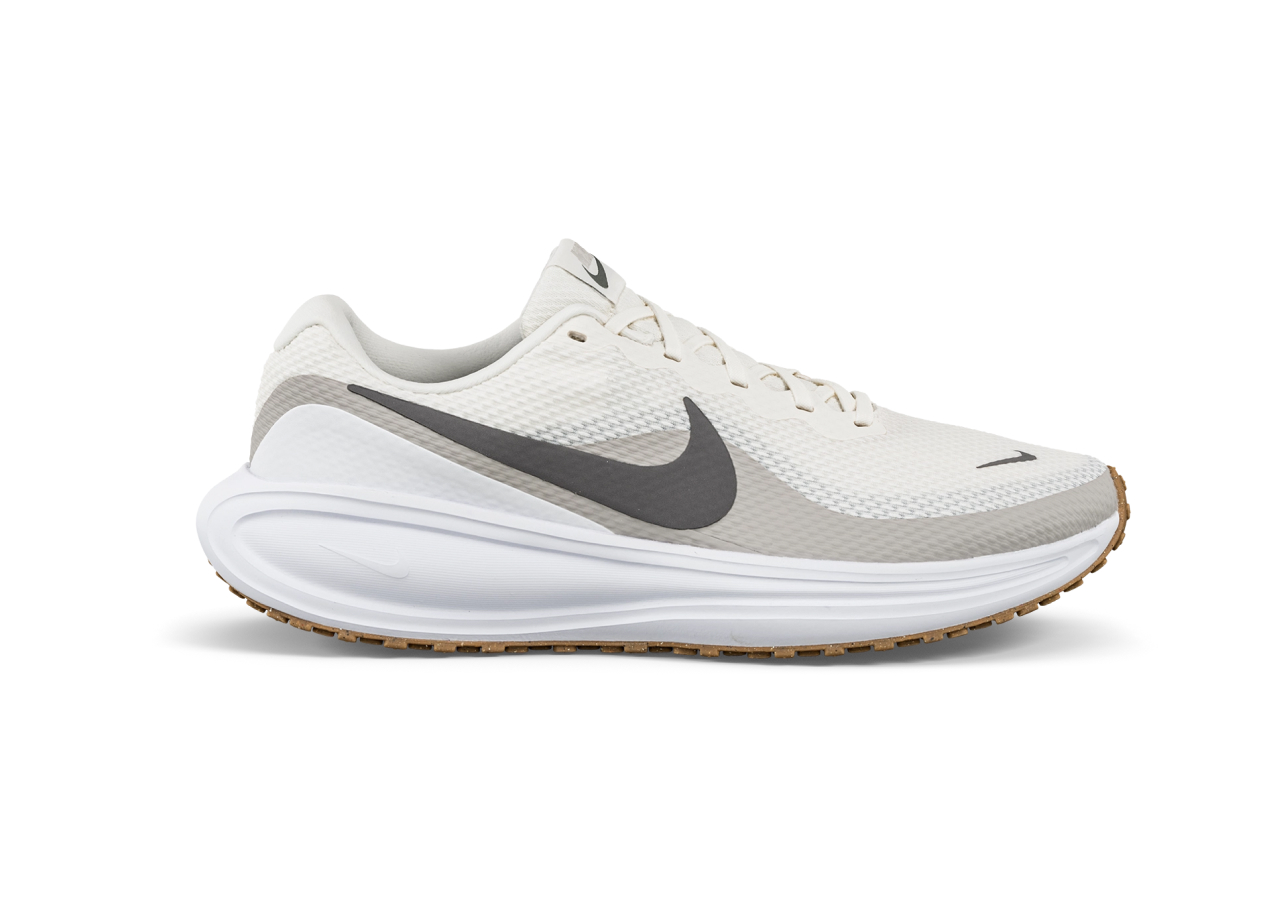
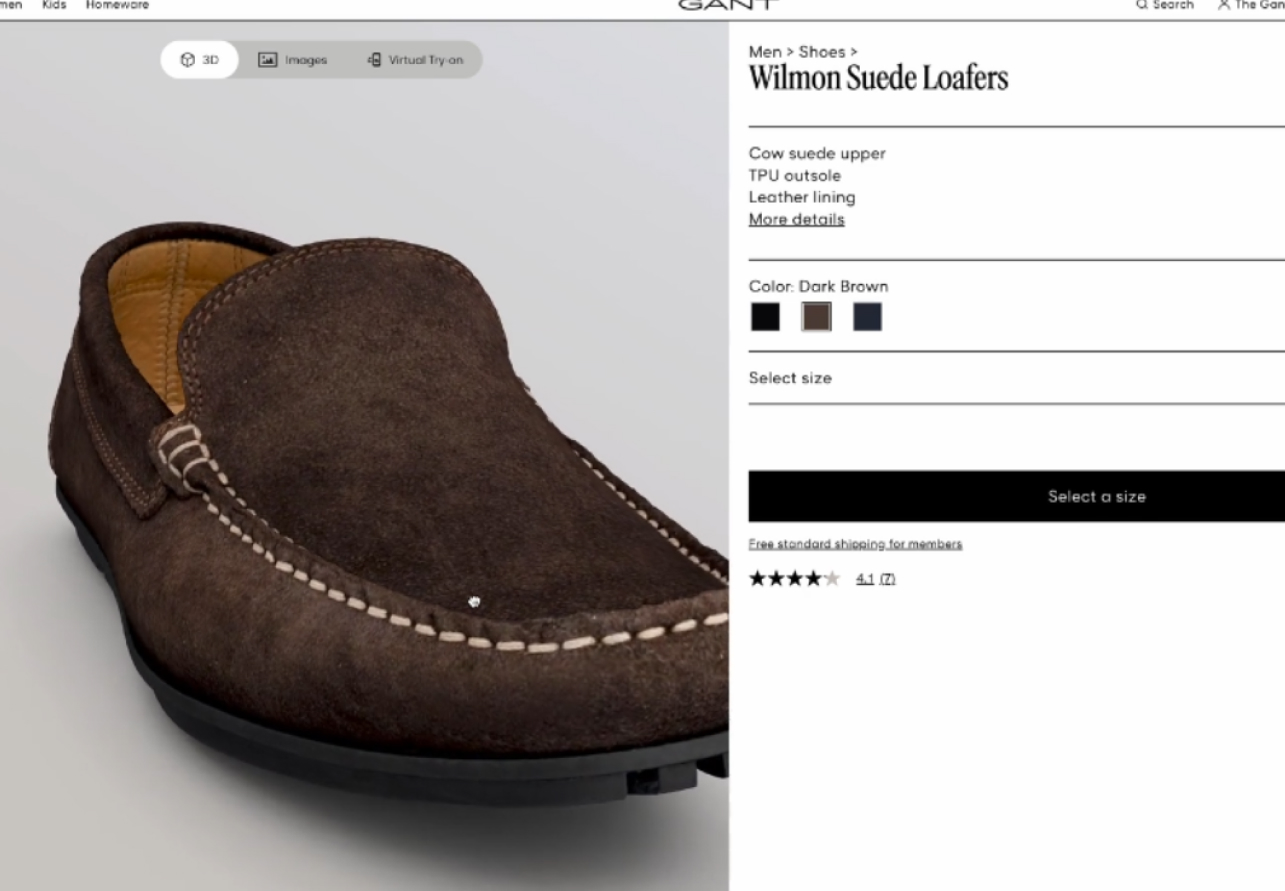
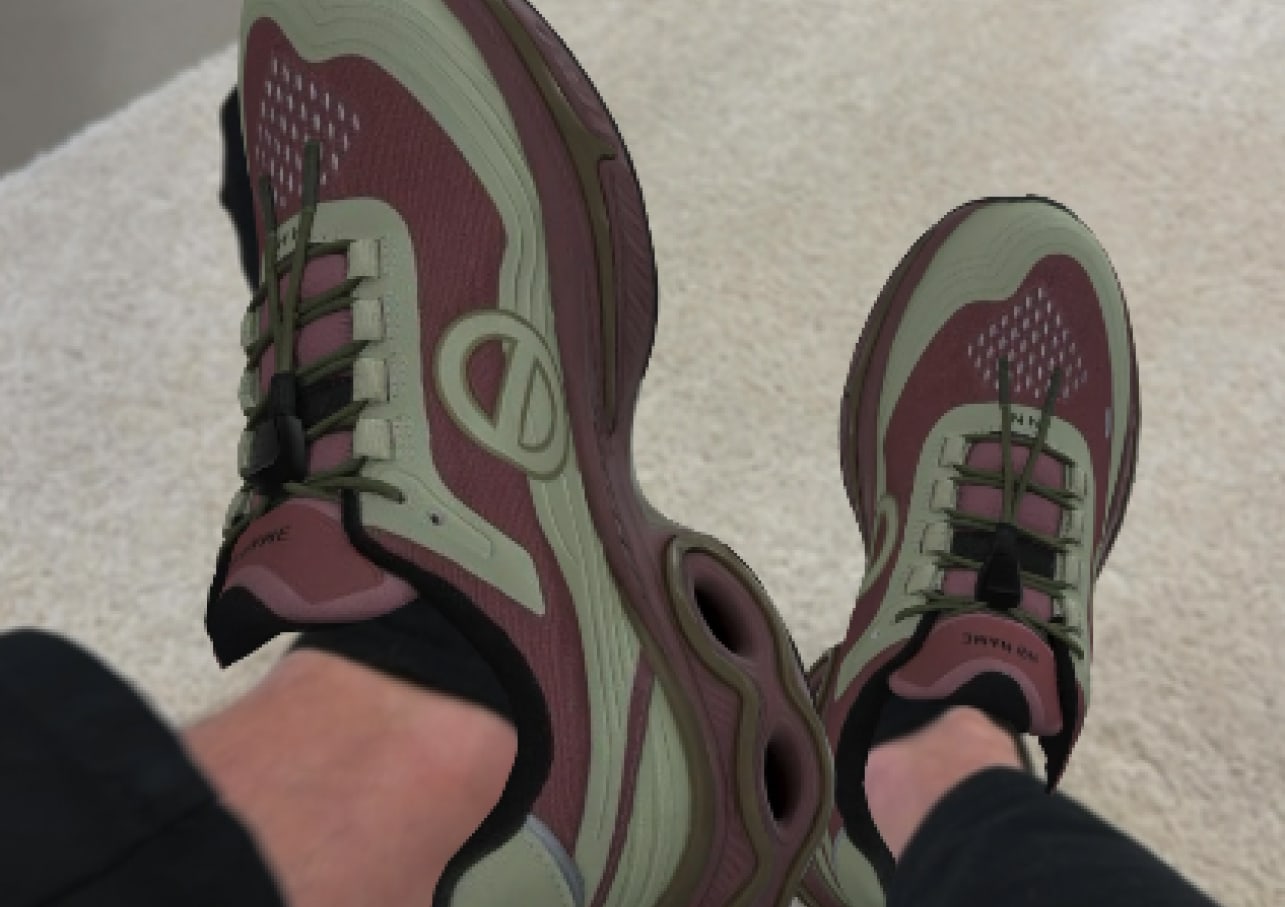
Virtual try-on software allows shoppers to preview products digitally on themselves using their camera or device. For footwear, this typically involves 3D shoe models, foot tracking, and augmented reality to simulate wearing shoes in real time. The experience removes guesswork and replaces uncertainty with visual confidence.
5 Benefits of Using Virtual Try-On Software for Your E-commerce Store
Shoe brands that use virtual try-on technology see many benefits, including:
1. Reduced Return Rates
Unmet expectations often drive footwear returns. But, Virtual try-on sets accurate visual expectations early, reducing disappointment after delivery.
2. Increased Conversion Rates
When shoppers can visualize shoes on their own feet, they feel more confident. That confidence translates directly into higher add-to-cart and checkout rates.
3. Better Product Differentiation
Interactive 3D and AR experiences instantly elevate your PDPs (Product Detail Pages). So, your brand feels premium, innovative, and easier to trust.
4. Fewer Sizing and Style Questions
Virtual try-on answers common buyer doubts visually. This reduces support tickets and pre-purchase friction.
5. Richer Shopper Data
Many platforms provide analytics showing how shoppers interact with products. So, you gain rich insights into buying behavior beyond static images.
9Best Virtual Try-On Software for Footwear Brands At A Glance
| Tool | Key Features | Best For | Pricing |
| Fibbl | AR try-on, footwear-grade 3D, variant switching, ecommerce analytics | Mid-market & enterprise footwear brands needing enterprise-grade 3D & AT try-on at scale | Starts at €1,399/month |
| Zakeke | 3D product customization, basic AR preview | Small to mid-size ecommerce | Starts from $68/month |
| Vyking | Mobile AR sneaker try-on, SDK integration | Sneaker brands | Custom |
| Wanna Fashion | AI-powered footwear try-on | Large fashion retailers | Custom |
| KiXR | Social AR footwear experiences | Campaign-driven brands | Custom |
| WEARFITS | Foot measurement and fit analysis | Fit-focused footwear | Starts at €449/month |
| Kivisense | WebAR retail experiences | Omnichannel retailers | Free to start, paid plans start at $888/month |
| GlamAR | Fashion and beauty AR | Cross-category brands | Custom |
| Mazing | AR footwear try-on, WebAR activation, social-first experiences | DTC footwear brands | Starts from $99/month |
1. Fibbl
Fibbl is the number one virtual try-on software for shoe brands, as it offers a complete end-to-end solution, covering both 3D creation and distribution in one system. It’s designed for footwear companies that need high-accuracy, scalable, and interactive virtual try-on experiences. Unlike others, it can scale to thousands of products due to an industrialized pipeline built for repeated, seasonal use.

Moreover, Fibbl combines premium 3D product visualization with realistic AR shoe try-on crafted for e-commerce conversion. Every experience is optimized for speed, realism, and measurable performance.
The platform integrates quickly and easily, distributing assets across all channels from a single setup. It’s also purpose-built to manage footwear materials like leather, mesh, rubber, and textiles. Fibbl also goes beyond basic AR by integrating seamlessly into PDPs and merchandising workflows. It helps your entire catalog feel interactive, premium, and easy to explore.
Key Features
- Footwear-Specific AR Try-On: Accurately places shoes on feet for realistic previews of style, fit, and material.
- No App Required: Try shoes easily by pointing at your feet from the product page with your smartphone.
- High-Fidelity 3D Assets: Replicates true materials, textures, and finishes.
- Instant Variant Switching: Change colors or styles without reloading experiences.
- Platform-Agnostic Integration: Works smoothly with Shopify, Magento, and headless stacks.
- Commerce Analytics Dashboard: Track engagement, conversion lift, and return reduction.
Pricing
We offer three straightforward plans designed to suit your needs.

- The Scale Plan costs €999/month and allows you to kickstart 3D on your site.
- The Excel Plan is €1,399/month and gives you access to 3D, AR, and virtual try-on.
- The Enterprise Plan uses a custom pricing model and is ideal for large-scale ventures.
Pros
- Built exclusively for bags and footwear brands
- One complete system for both making and distributing 3D assets
- Exceptional visual quality and realism
- Scales easily across large catalogs and SKUs
- Easy and fast to integrate across all digital channels
Cons
- Bags and footwear-focused only
- Does not support third-party 3D files currently
Best For
Mid-market and enterprise footwear brands that want best-in-class AR, highly realistic 3D product models at scale, lower returns, and higher ecommerce conversions. It’s especially strong for footwear and accessories that need accurate materials and easy multi-channel use.
2. Zakeke
Zakeke is primarily a product customization platform that also supports 3D visualization and AR previews.

The platform is easy to set up and integrates well with e-commerce platforms. However, it serves many industries, and it is not optimized specifically for footwear fit or realism. For footwear brands, it works best for simple visualization rather than realistic try-on.
Key Features
- AR Product Preview Mode: Allows customers to visualize shoes in physical spaces through mobile camera views.
- 3D Product Customization: Enables shoppers to personalize footwear components and instantly preview design changes.
- E-commerce Platform Integrations: Connects easily with Shopify, WooCommerce, and other mainstream e-commerce platforms.
- Customization Workflow Management: Streamlines made-to-order and print-on-demand footwear production processes.
Pricing
Zakeke’s Virtual Try-On (VTO) feature is an add-on charged based on usage (per try-on/product). Plans start at $68/month.
Pros
- Easy to implement
- Powerful customization tools
- Excellent ecommerce integrations
Cons
- Not footwear-specific, so it offers limited try-on realism.
- Per product pricing adds up quickly.
Best For
Small brands selling customizable footwear products.
3. Vyking
Another respected virtual try-on for shoe companies is Vyking, which focuses on lightweight, mobile-first AR try-on experiences for sneakers and lifestyle footwear.

The platform prioritizes speed, accessibility, and ease of use. It performs particularly well with younger, mobile-driven audiences.
Key Features
- Mobile-Optimized AR Shoe Try-On: Built specifically for smartphone-based sneaker and lifestyle footwear visualization.
- WebAR Access Without Apps: Enables instant try-on experiences directly through mobile browsers.
- Native App SDK Support: Integrates AR try-on seamlessly into brand-owned mobile shopping apps.
- Social Sharing Capabilities: Encourages users to share try-on experiences across social platforms.
Pricing
Vyking uses a custom pricing model.
Pros
- Superb mobile experience
- Quick implementation
- Makes social sharing easy
Cons
- Fewer enterprise analytics
- Limited catalog management
Best For
Sneaker brands focused on mobile engagement and lifestyle positioning.
4. Wanna Fashion
Wanna Fashion uses advanced AI and computer vision to simulate footwear try-on experiences. It emphasizes realism and precise placement on the foot.

The platform is often used by large fashion retailers and marketplaces. But implementation can be more complex, but visual results are impressive.
Key Features
- AI-Powered Foot Tracking Technology: Accurately aligns virtual shoes with real foot movement and positioning.
- High-Quality Visual Rendering: Produces polished, realistic footwear visuals suitable for premium brands.
- Mobile-First Experience Design: Optimized for smartphone camera usage and vertical screen layouts.
- Cross-Fashion Category Compatibility: Extends virtual try-on across footwear, apparel, and accessories.
Pricing
Custom enterprise pricing.
Pros
- Realistic and immersive experience
- Works for many product categories
- Trusted by large global brands
Cons
- Higher implementation effort
- Premium pricing for brands with deep pockets
Best For
Large retailers needing AI-driven try-on across footwear categories.
5. KiXR
KiXR delivers immersive 3D and virtual try-on software specifically for online footwear experiences.

The platform blends try-on with entertainment and social engagement. It also supports seamless integration across major e-commerce platforms and gives shoppers compelling “on-foot” visual previews.
Key Features
- Patented Virtual Try-On Technology: Converts footwear SKUs into 3D and AR for lifelike try-on.
- Precise Feet Tracking & On-Foot Visualization: Tracks both feet for realistic placement and visualization.
- Interactive 360° & AR Features: Augments customer experience with swivel, zoom, and AR walkarounds.
- Social Sharing & AR Video Calling: Lets shoppers share try-on sessions or invite up to six people to view via video call
Pricing
Custom pricing.
Pros
- Highly engaging experience
- Ideal for marketing campaigns
- Easy onboarding
Cons
- Limited ecommerce depth
- Not fit-oriented
Best For
Footwear brands running influencer or awareness campaigns.
6. WEARFITS
The next virtual try-on software is WEARFITS, which focuses on fit intelligence rather than visual storytelling. It combines foot measurement with basic try-on visuals.

The platform is data-driven and accuracy-focused. It appeals most to performance and comfort-oriented footwear brands.
Key Features
- Functional Try-On Visualization: Supports purchase decisions with basic visual confirmation.
- AI-Driven Foot Measurement: Captures detailed foot size and shape data through camera scanning.
- Size Recommendation Engine: Suggests optimal shoe sizes based on individual foot characteristics.
- Online and In-Store Compatibility: Supports omnichannel fit and try-on workflows.
Pricing
WEARFITS has four plans, with virtual try-on included in all of them.

- The Starter Plan costs €449 for brands starting the virtual try-on journey.
- The Pro Plan comes with a €1349 price tag and works well for growing brands.
- The Scale Plan is €1349 and is ideal for high-volume footwear companies.
- Lastly, there is the Enterprise Plan, which offers custom prices for enterprise clients.
Pros
- Strong fit accuracy
- Data-driven insights
- Useful for specialty footwear
Cons
- Less visual impact
- Complex setup, so beginners might struggle
Best For
Footwear brands prioritizing fit over aesthetics.
8. Kivisense
Kivisense Virtual Try-On Shoes is a Shopify app that lets shoppers virtually try on sneakers, sandals, boots, and other footwear styles.

Customers simply click a “try on” button on a store’s website, scan a QR code, and view the shoes on their feet through their phone camera. No app download required.
Key Features
- Real-time AR try-on: Hyper-realistic shoe visualization on mobile devices.
- Browser-based access: Works via QR code and mobile browser, no app installation.
- Wide footwear compatibility: Sneakers, sandals, casual shoes, hiking boots, etc.
- Shopify integration: Easy setup for e-commerce stores.
Pricing
Kivisense is free to start on the Essential Plan. The Commercial Plan costs $888/month, while enterprise brands on the Enterprise Plan must contact sales for a custom quote.
Pros
- Strong WebAR infrastructure
- Omnichannel capabilities
- Enterprise ready
Cons
- Limited footwear focus
- Visual quality varies
Best For
E-commerce shoe retailers on Shopify who want to differentiate their store with AR experiences.
8. GlamAR
GlamAR expanded from beauty into fashion AR. The platform lets customers virtually try on shoes and other fashion items, boosting confidence before purchase.

The platform is flexible across categories. It works best for fashion brands selling multiple product types.
Key Features
- Cross-Category AR Visualization Platform: Supports footwear alongside beauty and broader fashion categories.
- Fast-Loading AR Previews: Delivers quick visual experiences optimized for ecommerce browsing.
- Flexible Web/App Integration: Adapts easily to existing e-commerce technology stacks.
- Engagement Analytics: Measures how shoppers interact with AR content.
Pricing
Custom pricing based on SKU and monthly limit.
Pros
- Versatile platform that works across categories
- Easy setup and integration
- Broad AR expertise
Cons
- Not footwear-first
- Requires AR-ready 3D models (pay extra if unavailable)
Best For
Multi-category fashion retailers.
9. Mazing
Mazing provides browser-based AR try-on and visualization experiences focused on e-commerce and marketing activation.

The platform emphasizes accessibility and speed, allowing shoppers to launch try-on directly from product pages. It works best for brands prioritizing lightweight AR experiences over advanced fit simulation.
Key Features
- WebAR Footwear Try-On: Launches AR shoe previews directly in mobile browsers without app installs.
- Lightweight 3D Rendering: Ensures fast-loading experiences optimized for e-commerce.
- Shareable Experiences: Encourages customers to share try-on moments across social platforms.
- Brand-Controlled Visual Styling: Maintains consistent brand identity across AR experiences.
Pricing
Mazing offers users three plans.

- Starter costs $99/month for five 3D/AR models.
- Growth is $399/month for 100 3D/AR models.
- Scale costs $849/month for unlimited models.
Pros
- Supports multiple fashion categories
- Quick to launch, no app dependency
- Great for campaigns
Cons
- Limited fit accuracy
- Less footwear specialization
Best For
DTC footwear brands seeking fast, browser-based AR try-on experiences and rapid campaign deployment.
Virtual Try-On Software Selection Criteria
To determine the best virtual try-on software for footwear brands, we evaluated each tool based on the following criteria:
1. Footwear Specialization
Footwear presents unique challenges around fit perception, foot positioning, and product realism that generic AR tools often fail to address. We prioritized platforms built specifically for footwear or those with proven footwear deployments. Tools designed around shoes consistently deliver more accurate, credible experiences.
2. 3D Accuracy and Realism
Accuracy is critical when selling footwear online. We assessed how closely each platform’s 3D models match real-world products, including materials, proportions, stitching, and sole construction. Greater accuracy helps set correct expectations and reduces return rates driven by visual mismatch.
3. Scalability
Footwear brands often manage large catalogs with multiple colorways, styles, and seasonal drops. We assessed how well each platform supports bulk asset creation, variant management, and multi-SKU deployment. Scalable solutions reduce operational complexity as catalogs grow.
4. Sharability
Shoppers increasingly discover footwear through social and peer sharing. We evaluated how easily shoppers can share try-on experiences across social platforms, messaging apps, and campaign links. Strong sharability improves organic reach and brand discovery.
5. E-commerce Compatibility
Virtual try-on must work seamlessly within existing e-commerce ecosystems. We evaluated integrations with platforms like Shopify, Magento, and headless setups, as well as PDP deployment flexibility. Smooth integration ensures consistent performance across devices and channels.
6. Analytics Depth
Data matters when optimizing e-commerce performance. We reviewed the quality of analytics offered, including engagement metrics, conversion attribution, and funnel insights. Deeper analytics empower teams to connect visualization efforts directly to business outcomes.
7. Cost and ROI
Investment decisions must deliver measurable value. We considered pricing models alongside potential returns, including conversion uplift, reduced returns, and operational efficiency. Tools that demonstrate clear ROI provide stronger long-term value for footwear brands.
Increase Sales and Reduce Shoe Returns With the Right Virtual Try-On Software for Footwear Brands
Not all virtual try-on platforms are created equal. Footwear requires precision, realism, and scale and only a few AR platforms are truly built for footwear e-commerce. But Fibbl stands out as the best virtual try-on software for fast-growing footwear brands. It combines premium-quality 3D, realistic AR try-on, and enterprise-grade scalability. It’s purpose-built to manage footwear materials, and offers 3D creation and distribution in one system.
So, bridge the gap between online and in-store shopping experiences and boost conversions and customer confidence with our accurate virtual try-on tool.
👉 Start your Fibbl free trial today.
Virtual Try-on For Footwear Brands FAQs
Is virtual try-on software accurate for footwear?
Accuracy depends on the quality of 3D models and foot tracking. Footwear-specific platforms with high-fidelity 3D assets deliver far more realistic results.
Can virtual try-on replace size charts?
No. It complements size charts by visualizing style rather than measurements.
Does virtual try-on software reduce returns?
Yes, when implemented correctly. By showing shoes realistically before purchase, shoppers make more confident decisions. This significantly reduces returns caused by unmet visual expectations.
What are the technical requirements for implementation?
Most tools use WebAR and require adding 3D assets to product pages, with providers handling the setup.
Do shoppers need to download an app?
No. Most modern virtual try-on solutions work without apps. Shoppers can access try-on directly from the product detail page using their phone camera.
Is virtual try-on only for large brands?
No, but enterprise-grade tools deliver the best ROI at scale.
How much does virtual try-on software cost?
Pricing varies by platform, features, and catalog size. Most footwear-focused solutions use custom pricing models. The cost is often offset by higher conversions and reduced returns.