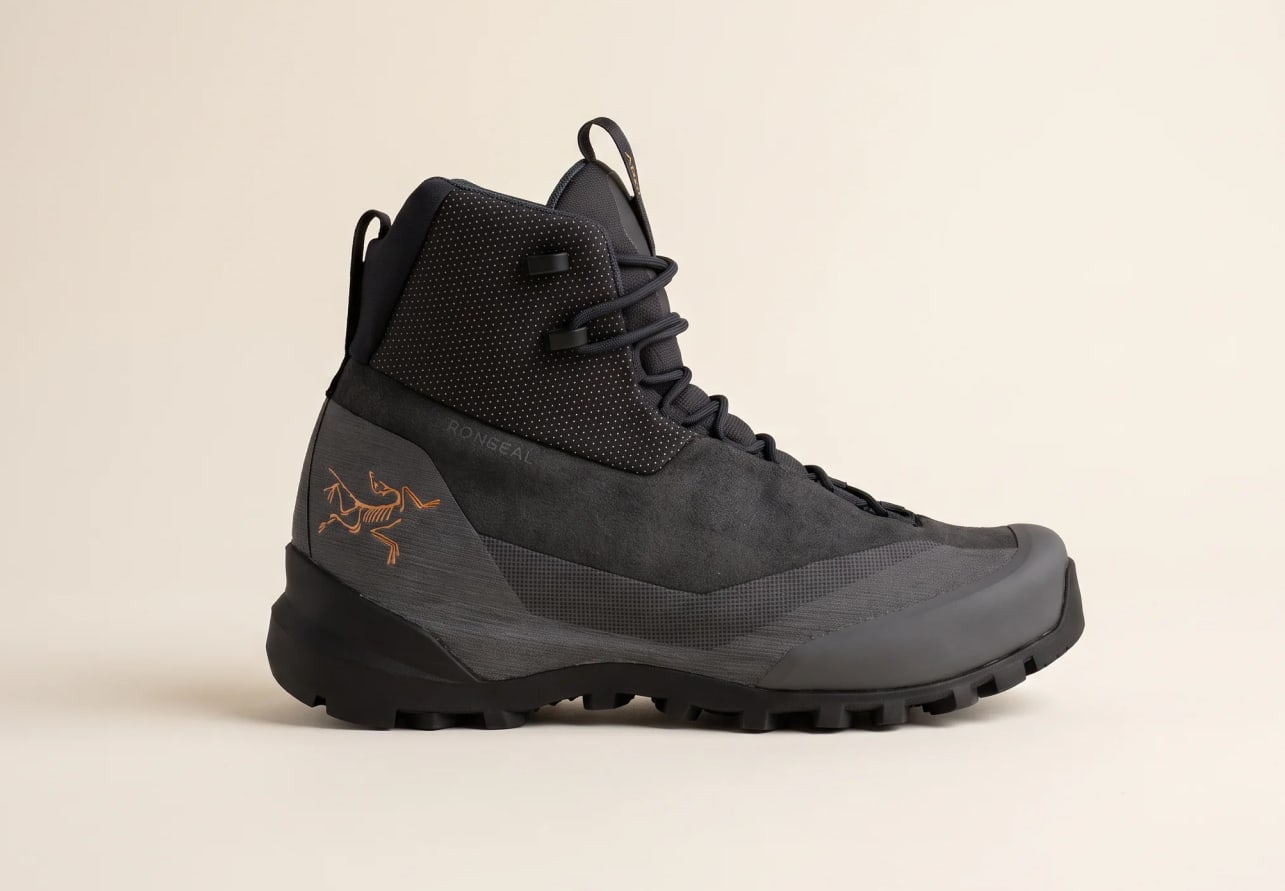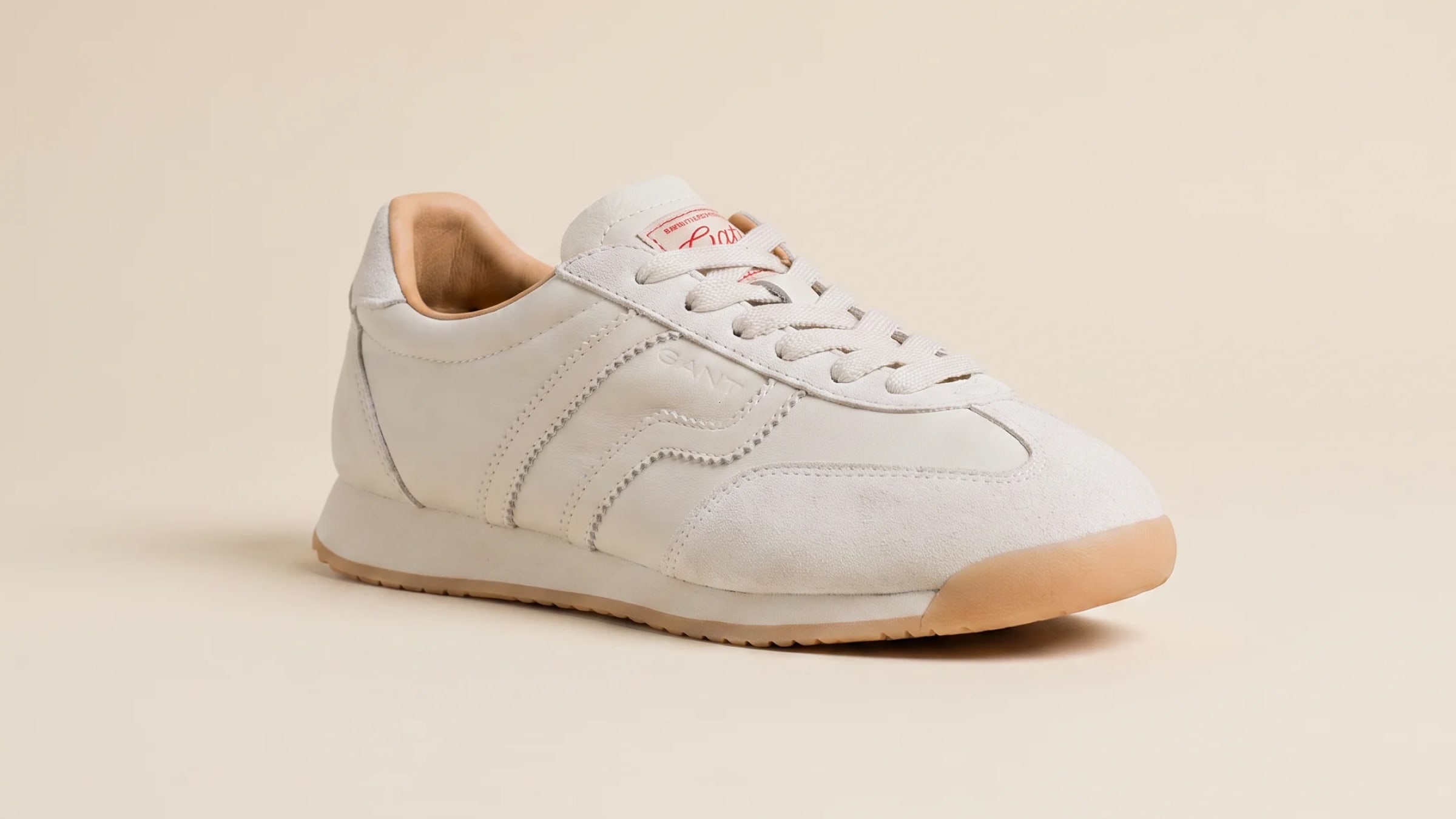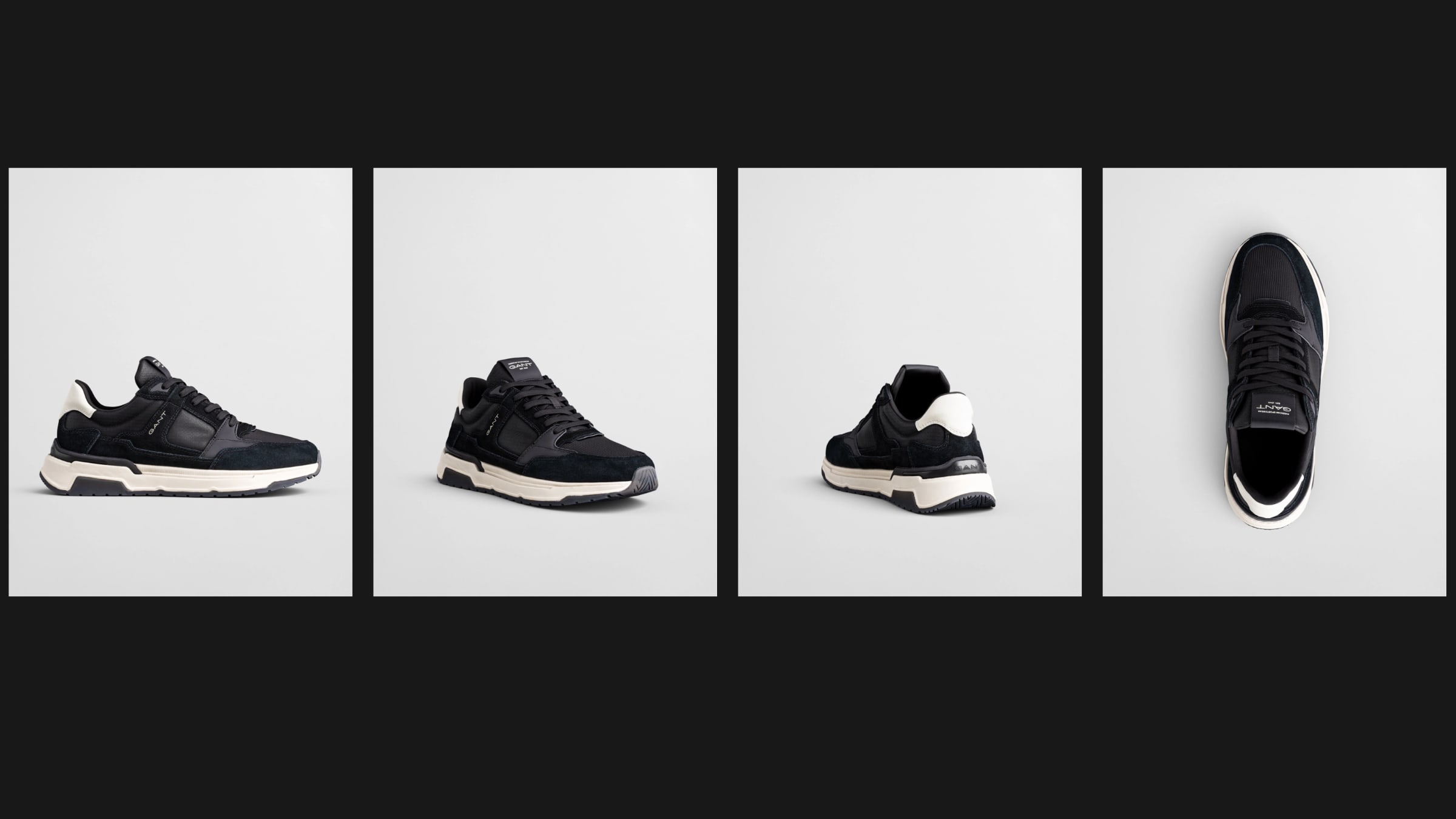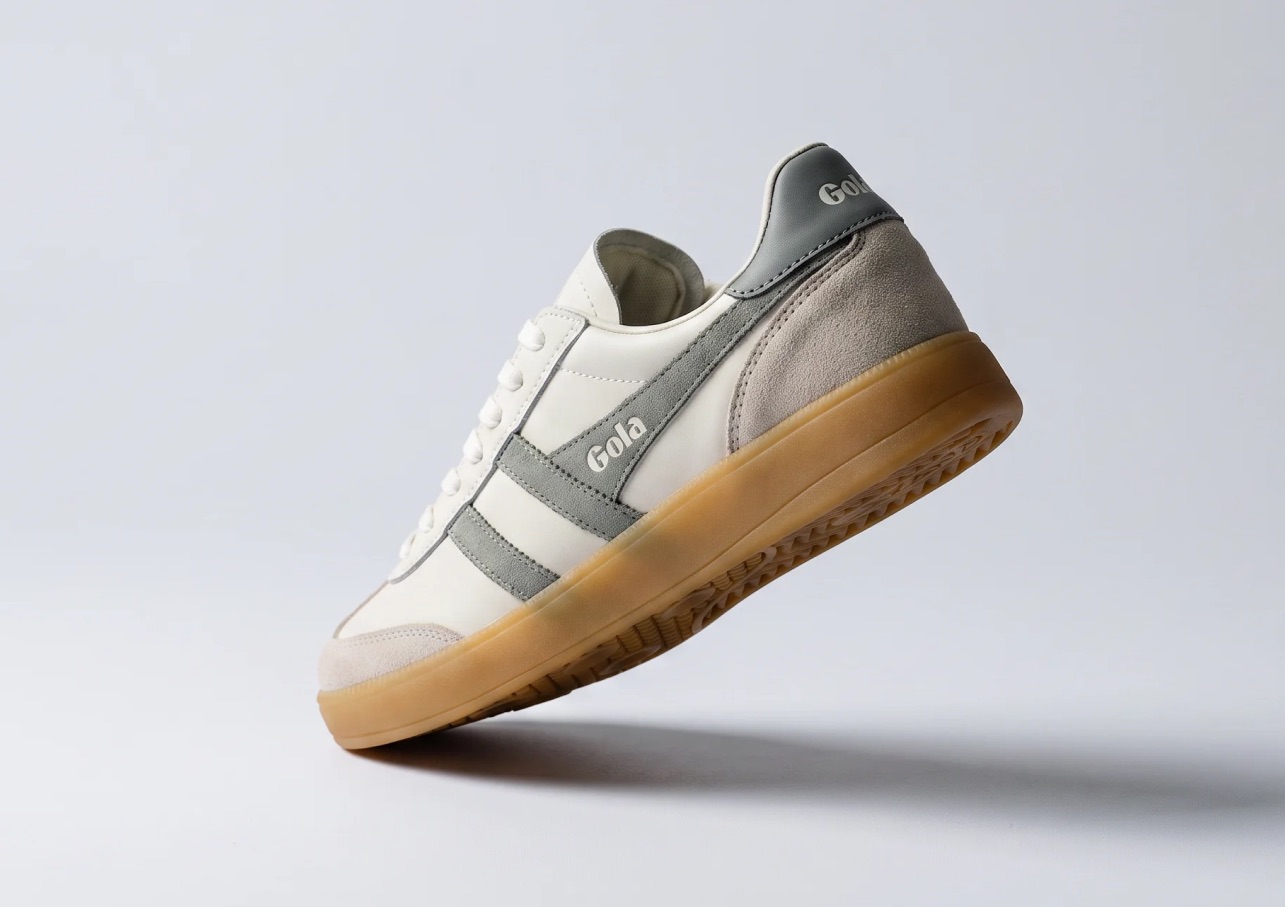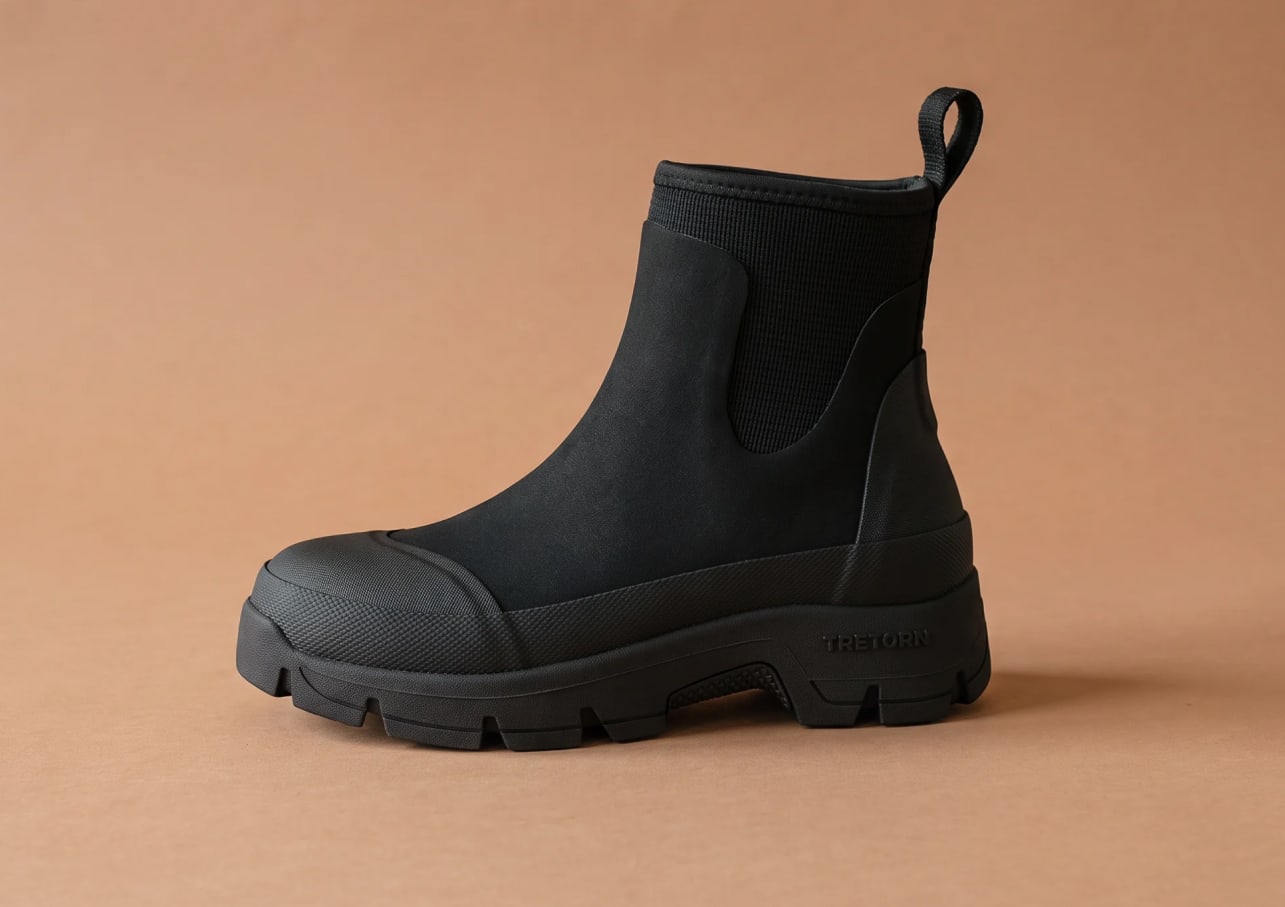
Quick Summary
High-volume shoe photography becomes costly and difficult as catalogs grow, with repeated shoots, reshipping, inconsistent images, and expensive updates. A 3D-first approach solves these challenges by capturing each shoe once and generating product visuals on demand. This reduces reshoots, speeds content production, and creates consistent imagery across channels.
Introduction
High-volume shoe photography is where most studios start to strain. A premium footwear brand isn’t shooting ten products. It’s shooting hundreds of styles a season, each in several colorways.
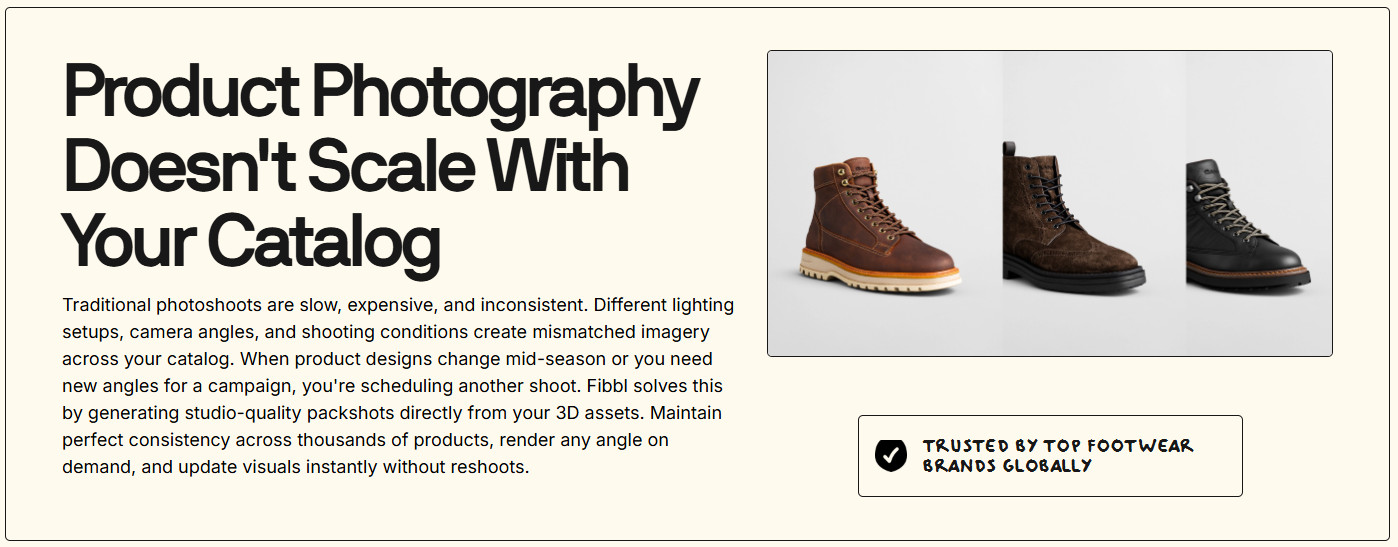
Traditional photography holds up on a small batch. Across a big one, it drifts. Then mid-season updates hit, and you’re reshooting and reshipping product all over again. Costs climb with every new SKU and every new format. It’s why some brands now generate packshots from a 3D asset instead of shooting each one
This guide reviews studios and services that actually handle footwear volume. Each entry is framed by what it is best for, not just listed. Most are specialist studios that shoot e-commerce catalogs well. One skips the photoshoot model entirely.
If you lead e-commerce, digital, or marketing at a footwear brand, this is written for you. You are sourcing a vendor for a full seasonal catalog across hundreds of SKUs and all online channels. That is the lens we used throughout this blog.
Why Listen to Us
This roundup comes from Fibbl. We build 3D content for footwear and bag brands, so we know this category inside and out. Fibbl has 3D-scanned more than 18,000 shoes and works with leading brands worldwide.
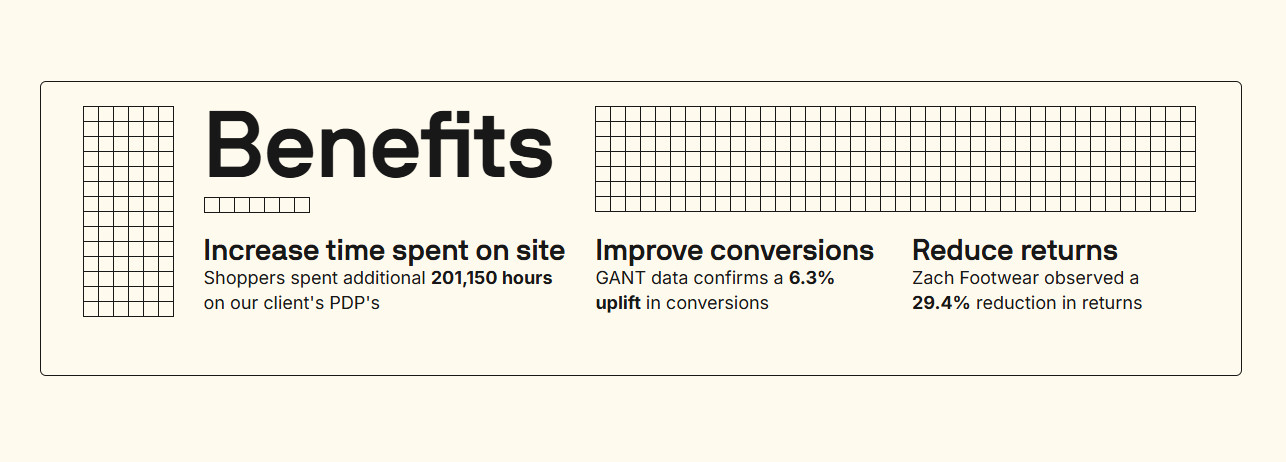
We are also on this list, so we kept the bias in check. Every studio here earns its place on merit. Where a traditional studio is the better fit, we say so. The results back it up. GANT lifted conversion 6.3% with 3D-first content, and Zach Footwear cut returns 29.4%.
One note on the method. We only included studios that handle e-commerce catalogs at volume. All are based in the US, UK, or EU. We judged each on consistency, footwear experience, and mid-season handling, and left out print and campaign specialists, and one-off shooters.
What Matters for High-Volume Shoe Photography?
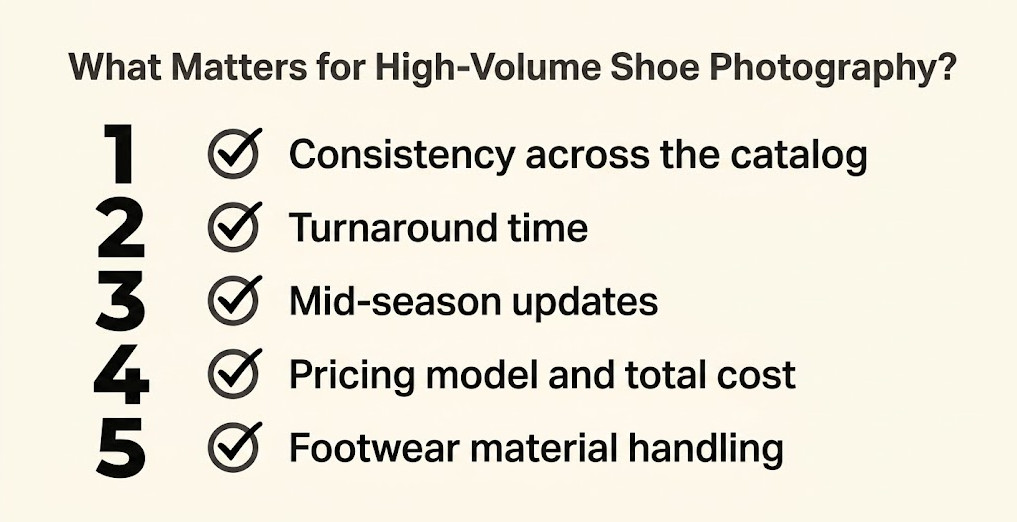
Before the list, know what to judge a vendor on. For a large footwear catalog, these five things decide the outcome:
Consistency across the catalog
Every image has to match across hundreds of SKUs and many shoots. Lighting, angle, and background must stay identical. Drift shows up as a messy, unprofessional product grid.
This gets harder as the catalog grows. One shoot might look perfect. Twenty shoots over a season is where consistency slips. The vendor needs a locked setup and a tight QC pass, or drift creeps into the grid.
Turnaround time
Seasonal drops have hard deadlines. A studio that shoots fast keeps you on schedule. Every studio here delivers quickly, so treat speed as table stakes rather than a differentiator.
The real question is not how fast, but how well quality holds at scale. A studio can rush a small batch and still deliver. Ask what happens when the order is a thousand SKUs, not fifty.
Mid-season updates
Products change mid-season. A new colorway or a tweaked sole means new images. With photography, that means another shoot and another shipment. Ask how each vendor handles updates before you commit.
This is the hidden cost of photography at volume. The more your line changes, the more you pay to keep up.
Pricing model and total cost
Per-image pricing looks simple, until you multiply it by SKUs, angles, and formats. Ask about volume discounts, minimums, and the full cost of a catalog. Cheap per image is not always cheap in total.
Ask for a full-catalog quote, not just a per-image rate. That is the number that hits your budget.
Footwear material handling
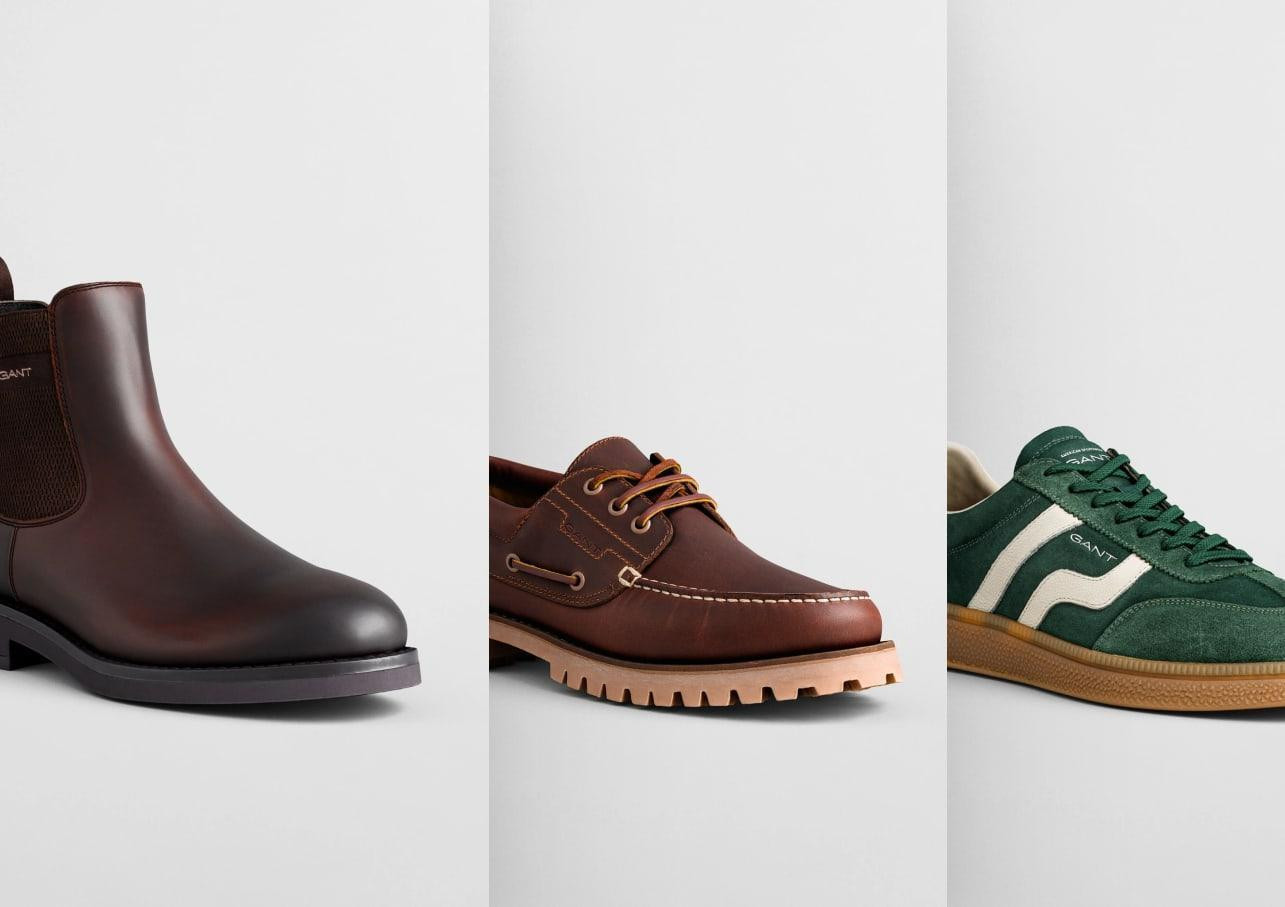
Footwear is hard to shoot. Suede, patent leather, mesh, and reflective trims all behave differently. Look for a vendor with real footwear photography experience, not just general product work.
A tool built for handbags or electronics will fight the reflections and textures that shoes throw at it. Footwear-specific experience shows in the final image, especially on patent leather and mesh.
Have You Outgrown Traditional Shoe Photography?
Most brands do not plan to switch vendors. They hit a wall. If several of these sound familiar, your catalog has outgrown the studio model:
- You miss dropping deadlines and waiting on images
- Mid-season colorways trigger a reshoot and another bill
- Your product grid looks inconsistent across shoots
- Per-image costs keep climbing as the catalog grows
- You reship the same samples every time a product changes
- Each channel needs its own format, so editing never ends
None of these mean your studio is bad. They mean your volume has changed. That is when brands start looking for a model that scales.
The 5 Best Studios & Services
Here is the shortlist, sorted by what each does best. The comparison table gives you the fast scan, and the entries add the detail:
Vendor | Best for | Pricing | Location |
Fibbl | Scaling content from one 3D scan, no reshoots | Custom / free scan | EU (Sweden) |
Shootify | High-volume footwear packshots | From $26 per image | US (Miami) |
I Heart Studios | Enterprise ecommerce catalogs | On request | EU (Amsterdam) |
Hyperblack Studios | Full-service US ecommerce content | Per-image + day rates | US (Los Angeles) |
Matthew Seed | UK footwear specialist | On request | UK (Cheshire) |
1. Fibbl (A 3D content commerce company specializing in high-volume shoe photography)
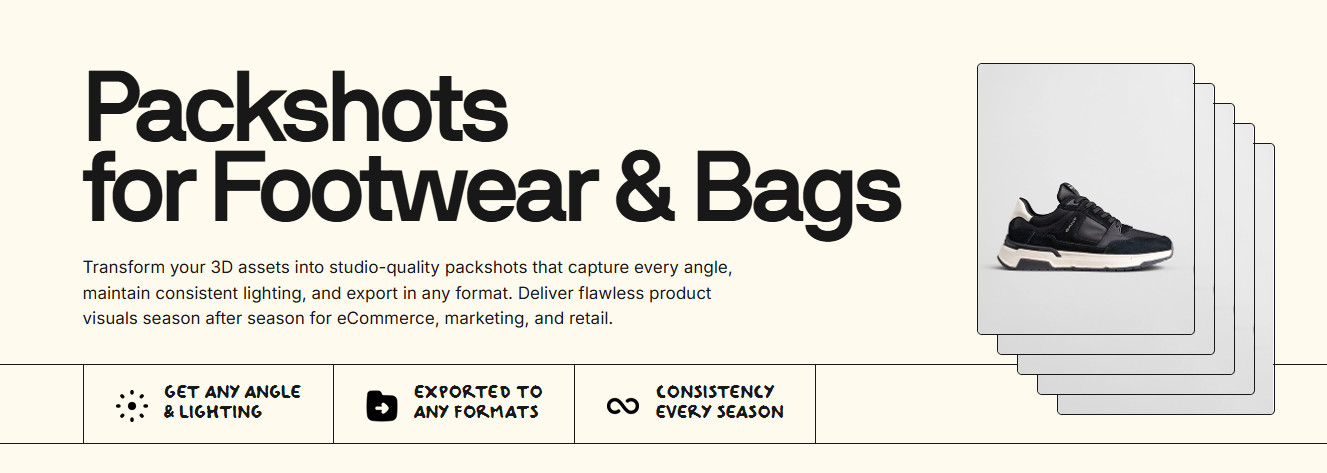
Fibbl does not do traditional photoshoots. It 3D-scans your shoe once, then generates images from that scan. From one scan, you get packshots in the render studio and AI lifestyle images in the AI studio. Any angle, background, or format, on demand, with no reshoot or reshipping.
Here is what that does to your costs. Traditional photography charges per image, and the bill grows with every angle, colorway, and reshoot. Fibbl flips the model. You pay once to capture the shoe, then generate unlimited images from it. A new colorway is a re-render, not a reshoot. A new campaign background is a setting, not a shipment. Across a full seasonal catalog, that is the difference between a cost that climbs with your SKU count and one that does not.
It is not only packshots, either. The same 3D scan powers AI lifestyle and on-model images. You can put your shoe on a foot in a real setting without booking a model or a location shoot. Packshots come out of the render studio, and lifestyle images come out of the AI studio, both from one asset within one platform.
For a brand that refreshes colorways every season, that is the whole appeal. The catalog never needs a reshoot to stay current.
See how packshots and AI images work.
What customers value: no reshoots for new colorways, and one asset feeding every channel.
Pricing: custom, based on catalog size. Start with a free product scan.
Minimum order: none published. Built for full catalogs.
2. Shootify
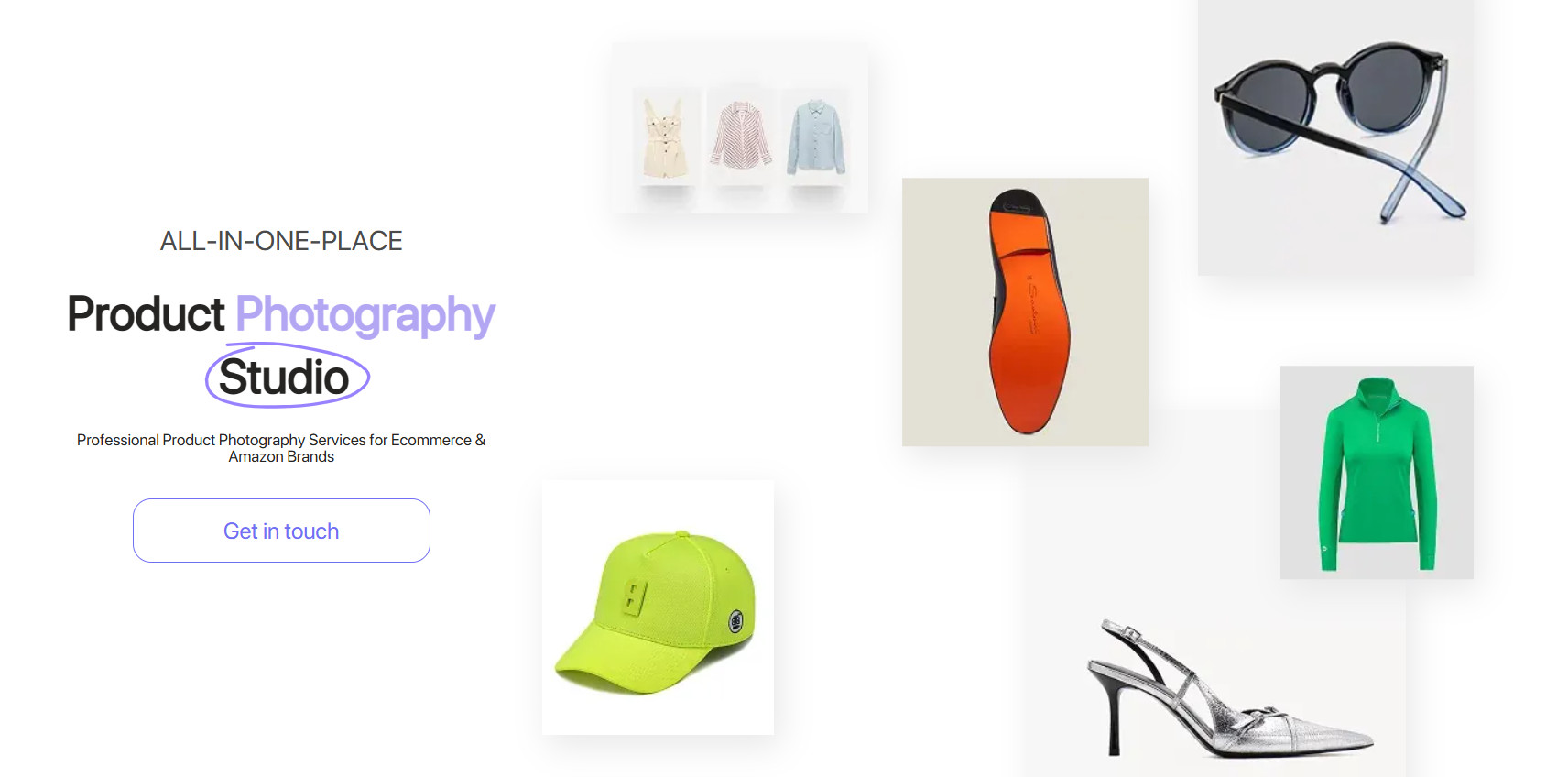
Shootify is built for volume. Multi-set studios and parallel teams shoot large collections, with a consistent retouching and QC pipeline that keeps images uniform. It runs a dedicated footwear service for sneakers, boots, heels, and sandals, shot on white or to a reference.
For a large seasonal catalog, that parallel-team setup is the draw. It keeps quality even when the SKU count runs high.
What customers value: reliable consistency across big orders, and transparent per-image pricing.
Pricing: from $26 per image, with volume discounts and membership options.
Minimum order: not strictly published; volume pricing rewards larger orders. Location: US (Miami).
3. I Heart Studios
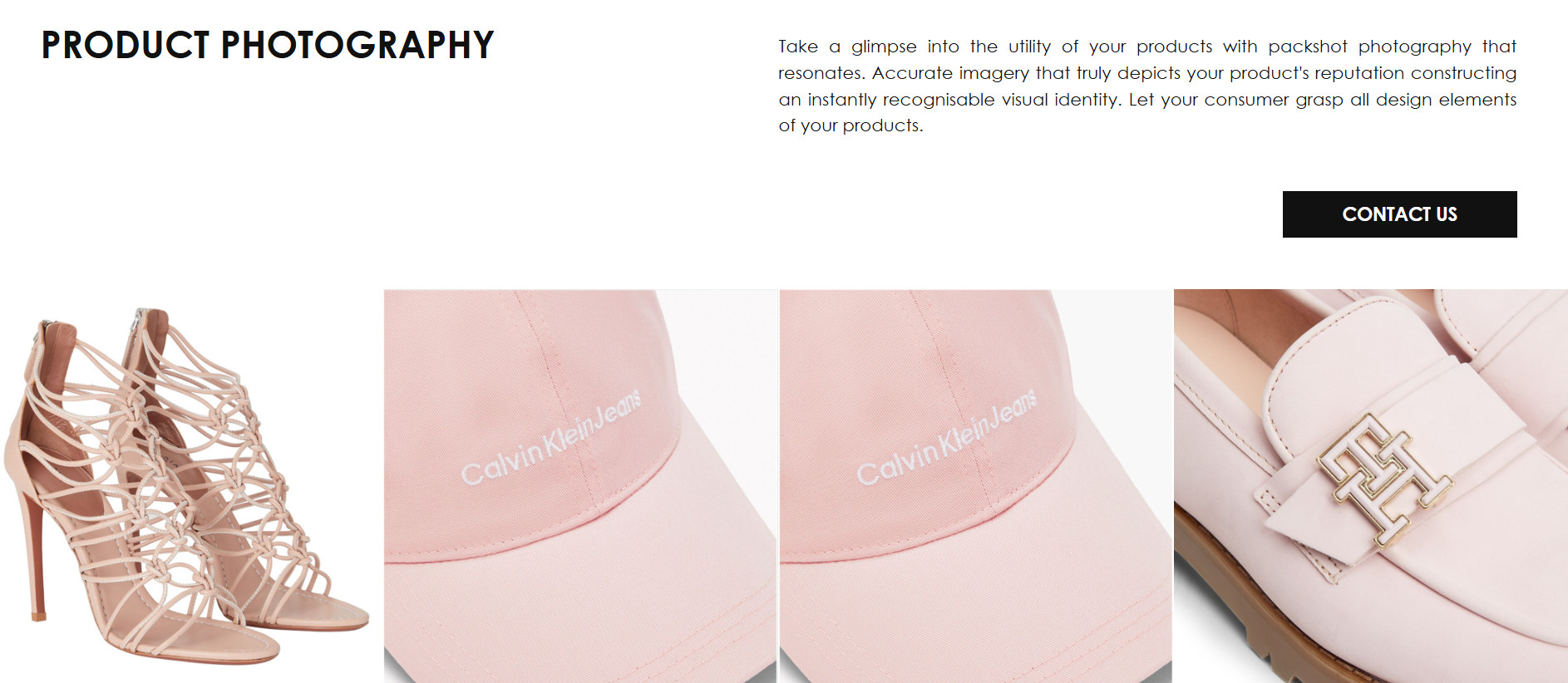
I Heart Studios is an enterprise-grade ecommerce photography partner, with studios in Amsterdam and Hong Kong. It covers packshot, invisible mannequin, on-model, and detail shots, plus video. For brands producing in Asia, it can shoot straight from the manufacturer to move catalogs to market.
That logistics muscle is why enterprise brands use it for full-catalog production, not just hero shots.
What customers value: end-to-end logistics and consistency at a global scale. Footwear clients include New Balance.
Pricing: on request, quoted per project.
Minimum order: enterprise-oriented, not disclosed. Location: EU (Amsterdam) and Hong Kong.
4. Hyperblack Studios
Hyperblack is a full-service e-commerce studio in Los Angeles. It shoots on-model, ghost mannequin, and flat lay, and adds lifestyle, video, and 360 imagery. The studio handles prep, styling, editing, and sample management, so a large catalog flows through a single pipeline. Footwear is one of its listed categories.
As prep and post sit under one roof, a large catalog moves through one vendor rather than several.
What customers value: a single team covering everything from prep to post, for remote and international brands.
Pricing: per-image for flat lay, day rates for on-model, and custom quote.
Minimum order: not published. Location: US (Los Angeles).
5. Matthew Seed
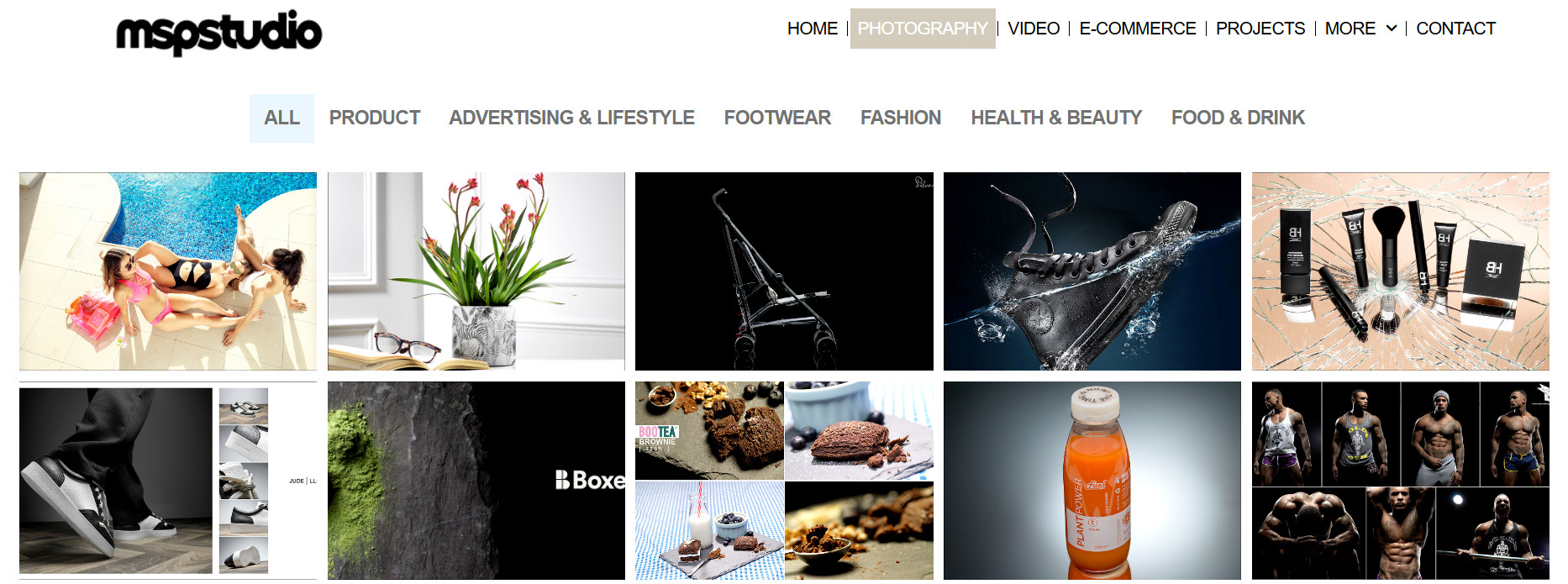
Matthew Seed is a footwear-specialist studio in Cheshire, UK, with a dedicated ecommerce shooter. Thirty years of footwear work covers sneakers, boots, formal shoes, and technical materials, including leather, rubber, and knit. Footwear clients include JD Sports, Reebok, and Foot Asylum.
The trade-off is scale. This is a specialist studio, so it suits focused footwear runs more than a thousand-SKU sprint.
What customers value: deep footwear expertise and UK-based, hands-on service.
Pricing: on request.
Minimum order: not published; suited to brands wanting a specialist UK partner. Location: UK (Cheshire).
When Does 3D Beat Even the Best Studio?
The studios above are good at what they do. But even the best studio hits a wall that photography cannot cross. That wall is the reshoot.
It sounds small. At the scale of a full catalog, it is one of your highest costs.
Every time a product changes, photography starts over. A new colorway is a new shoot, and a new background for a campaign is a new setup. Whereas a new format for a marketplace means more editing, and every shoot means shipping physical product to a studio and back.
A 3D commerce provider removes that wall. Fibbl scans the shoe once. From that single asset, you generate unlimited angles, lighting setups, backgrounds, and formats, on demand. There’s no reshoot, or reshipping. When a colorway changes, you update the asset, not book a studio.
This is why Fibbl sits in a different category. A studio sells you images. Fibbl gives you the source, then lets you produce any image you need from it. For a catalog of hundreds of SKUs across many channels, that difference compounds.
Think about formats alone. A shoe needs a white packshot, a lifestyle scene, a square social crop, and a video. With a studio, each is more work. From a 3D asset, each is a setting.
Fibbl offers greater value with packshots. The same asset can be used for AI lifestyle images, a 3D viewer, virtual try-on, and product videos. One scan, every kind of content.
That is the real shift. You stop buying finished photos and start owning the source they come from.
Household Names That Have Worked with Fibbl
Fibbl is not an unproven bet. It works with major, premium footwear and bag brands, including household names:
- Samsonite, the global luggage leader, chose Fibbl for interactive 3D and AR (covered by Forbes)
- GANT, the premium fashion label, went 3D-first across its footwear
- Tumi, the high-end travel brand, partners with Fibbl for interactive 360-degree product views and AR experiences
- Joya, Nubikk, Løci, and Elten are among more than 60 footwear brands that trust Fibbl
The results are documented, not promised:
- GANT lifted conversion 6.3% across 13 markets, then produced 392 video ads from 196 SKUs, raising click-through 30.27% and ROAS 13.79%
- Zach Footwear cut returns 29.4% after moving to 3D-first product experiences
- Nubikk saw time on product pages rise 80% and purchases rise 52%
Across its base, Fibbl has 3D scanned more than 18,000 shoes and powered over 50 million product interactions. For a premium brand, that roster matters. You are not testing an idea but adopting a standard that household names already use.
How to Prep Products for a High-Volume Shoot
Good prep saves you money and reshoots. Before anything ships, get these in order:
- Label every sample with its SKU and colorway, so nothing gets mixed up
- Send products shoot-ready, such as cleaned, laced, and stuffed to hold their shape
- Include reference images for the angles and styling you expect
- Write a clear spec for angles, background, and output formats per channel
- Confirm exactly which SKUs and colorways are in scope
The tighter your brief, the fewer surprises later. A day of prep can save a week of back-and-forth.
Work With Fibbl for High-Volume Shoe Photography
If your catalog is large and always changing, the reshoot problem is your real cost. Fibbl removes it at the source.
You get two photography solutions from one 3D scan:
- Packshots, edited in the render studio, for clean product images at any angle
- AI lifestyle images, produced in the AI studio, for hyper-realistic on-model shots
Both exist inside the Fibbl platform, built from the same accurate asset.
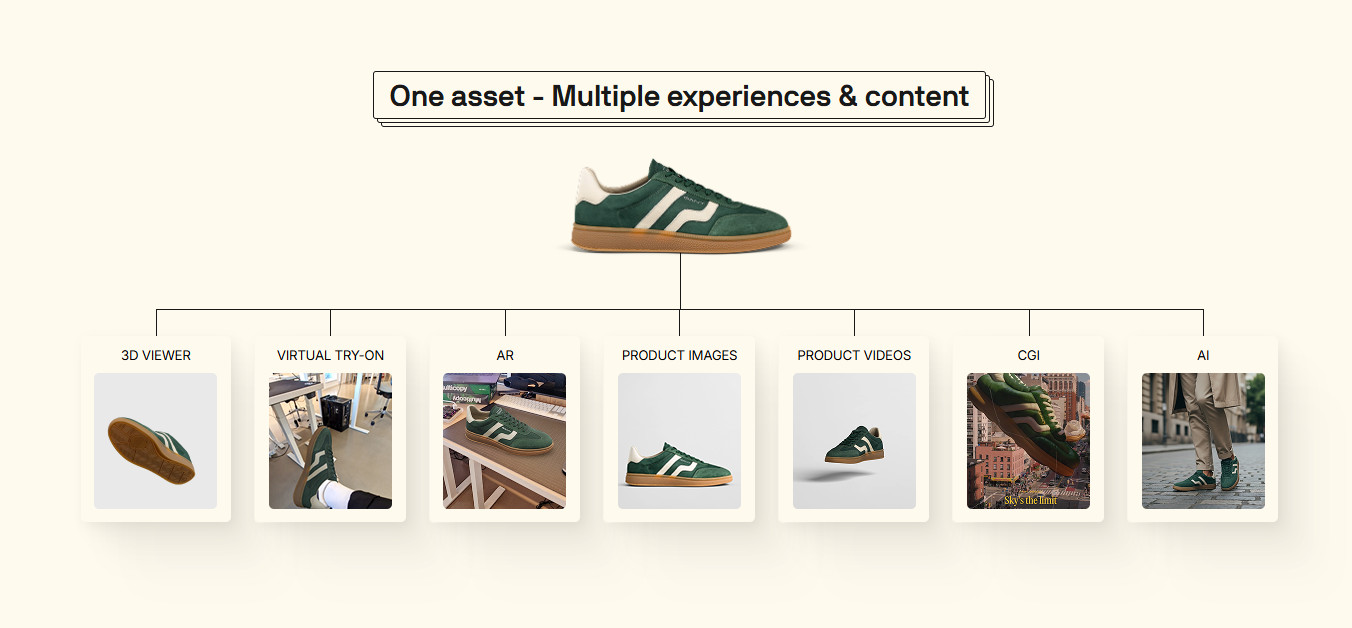
One scan replaces a season of shoots. Every future update starts from what you already have, not a blank studio booking.
The best way to judge it is on your own shoes. Get a free product scan to assess quality, then book a demo to plan a rollout for your entire catalog.
Frequently Asked Questions
How much does high-volume shoe photography cost?
It depends on volume, angles, and formats. Studios here start around $26 to $35 per image. That is before retouching, extra angles, or rush fees. Multiply it by SKUs, colorways, and channels, and the total climbs fast. Thus, always ask for a full-catalog quote, not a per-image rate.
How do studios handle mid-season updates?
Most handle them as a fresh shoot. A new colorway or a tweaked sole means shipping product back and reshooting. Ask each vendor how they price and schedule updates. This is where costs quietly pile up over the course of a season. A 3D asset avoids it, since you update the file instead of booking a studio.
Can 3D replace a traditional shoe photography studio?
For most e-commerce imagery, yes. A single 3D scan produces packshots and lifestyle images without reshoots. Some brands still use studios for specific campaign shots. Many now run 3D for the catalog and photography for hero moments. It is less either-or than it sounds.
What is the difference between packshots and lifestyle images?
Packshots are clean product shots, usually on a white background, for product pages and listings. Lifestyle images show the shoe in a real setting or on a model. You need both for a strong product page. From a single 3D asset, you can generate each one from the same scan.
Which vendor is best for a large footwear catalog?
It depends on your setup. For pure volume and footwear focus, Shootify is strong. For enterprise scale, look at I Heart Studios. To skip reshoots entirely, use Fibbl. Match the vendor to your catalog size, budget, and frequency of line changes.