By Johan Bertilsson, co-founder, Fibbl. Last updated 17 September 2026.
Footwear and bag brands automate content creation by capturing each product once as a 3D asset and rendering everything else from it. One physical sample per silhouette and material goes to a scanning studio. From the resulting 3D model, the brand generates packshots at any angle, colourway variants, product videos for paid social, interactive 3D, augmented reality, virtual try-on, and AI-generated lifestyle imagery in which the real product is placed into a generated scene. The physical step happens once per silhouette. Every later output is a render job, not a new shoot.
That is the whole model. The rest of this article covers what it replaces, where the automation actually happens, where it stops, and what it changes for the teams that run it.
What “automate” means here
Content automation in footwear and bags does not mean the product photographs itself. The capture is still physical: someone packs the sample, the studio scans it, and a production team checks the model against the real thing.
What gets automated is everything that used to require repeating that step. In a conventional process, every new angle, format, background, crop, season and channel is a reason to book another shoot or another round of retouching. Every colourway is another pair in front of the camera. The production calendar is tied to sample arrival, and cost rises with the number of outputs.
With a 3D master asset, those outputs become presets. A packshot set for the webshop, a second preset for the B2B salesbook, a 360-degree video for Meta, a colourway variant for a market that launches later: each is generated from the same file, on demand, with no sample and no studio day.
The workflow, step by step
1. Capture once
The brand ships one physical sample per silhouette and material to the scanning studio. Colour is handled digitally afterwards, so a silhouette that ships in eight colourways is captured once, not eight times. Separate materials do need separate captures, because a suede upper and a patent leather upper behave differently under light and the model has to be true to each.
For bags and luggage the same rule applies. Six colours of the same polycarbonate shell are one capture. A fabric version of the same design is another.
The output is a photorealistic 3D model that becomes the single source of truth for how the product looks.
2. Render the catalogue content
From the 3D model, the brand generates its standard commercial imagery without further photography:
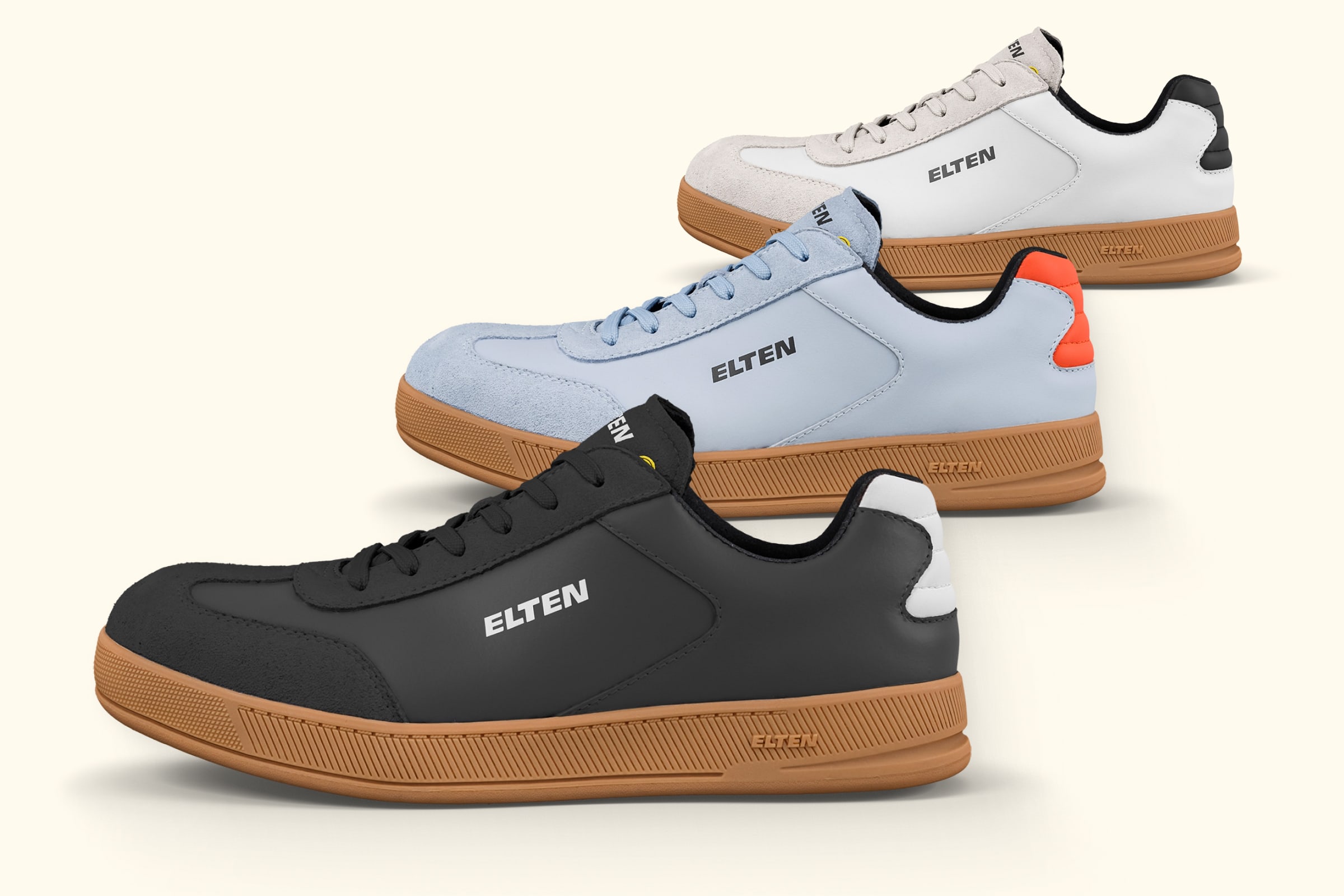
- Packshots at any angle and lighting, exported in any format, consistent from season to season because camera, lighting and background are settings rather than a studio setup.
- Colourway variants produced by applying colour data to the captured silhouette.
- Product videos, rendered and hosted automatically and delivered as a Dynamic Product Ads feed compatible with Meta and other channels, with a choice of presets.
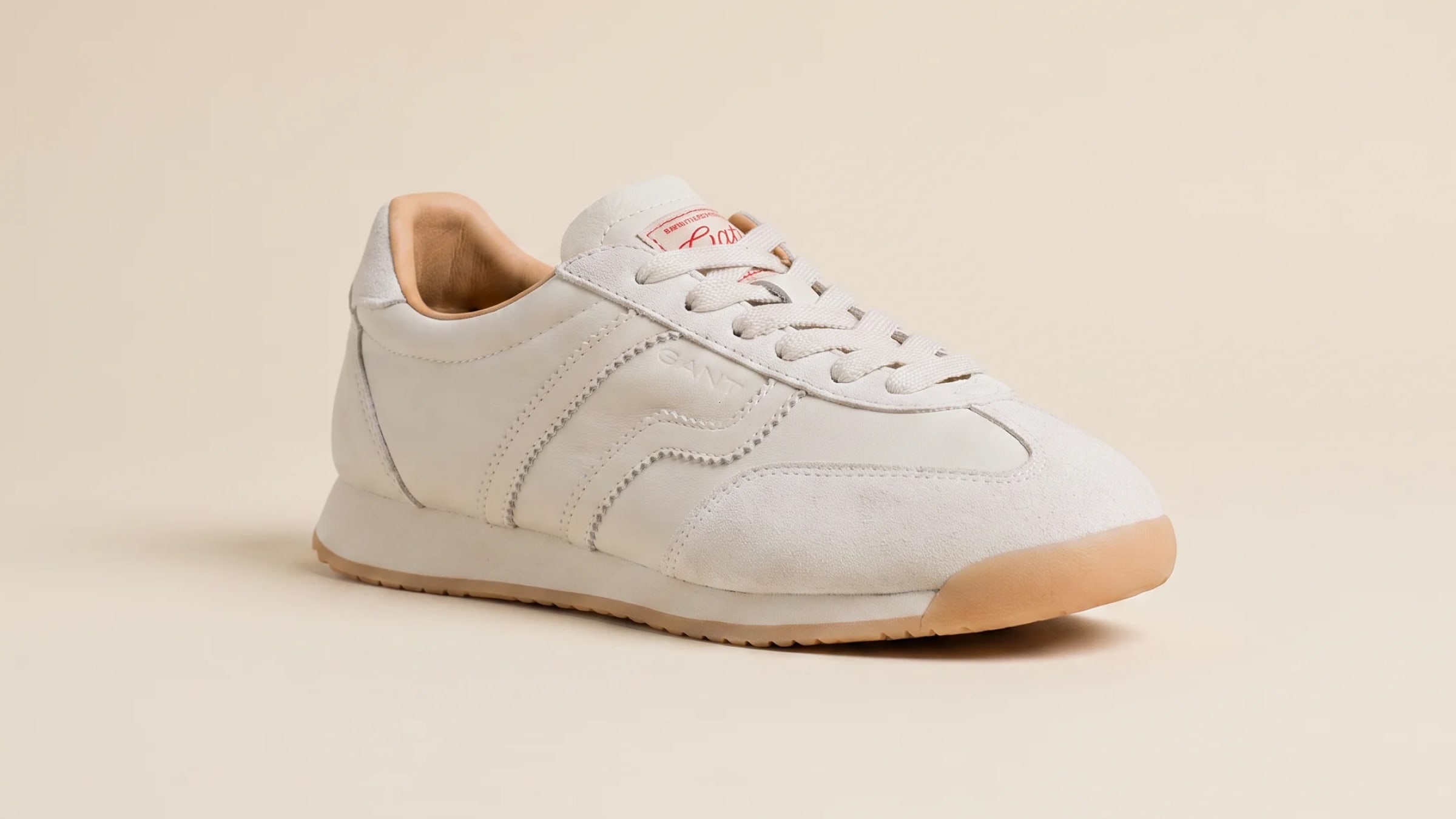
GANT reported a 50% saving in time and cost on packshots across 549 products in its SS27 season. When GANT used the same 3D assets as creative in Meta Dynamic Product Ads, click-through rate rose 30.27% and return on ad spend 13.79% compared with campaigns running standard product photography.
- 50%
- Time and cost saved on packshots
- GANT, 549 products in SS27
- +30.27%
- Click-through rate
- GANT, 3D creative in Meta DPA
- +13.79%
- Return on ad spend
- GANT, 3D creative in Meta DPA
3. Serve the interactive layer from the same asset
The same 3D model powers the product page experiences: a rotatable 3D viewer, augmented reality placement, virtual try-on for footwear, dimensions, and annotations that point to specific features. None of these need separate production. They are display modes of one asset, delivered through a single script on the product page template that shows the experience when a matching model exists and stays out of the way when one does not.
For bags and luggage this is where annotations and dimensions earn their place. Interior compartments, wheel systems and expansion zips are hard to communicate in a flat image and easy to pin on a 3D model.
4. Generate lifestyle and campaign imagery with AI
This is where the “AI” in the title comes in, and it is worth being precise about what it does.
Generative image models are good at scenes and unreliable on products. Ask one to invent a shoe and it will produce something plausible with the wrong stitching, the wrong last and a logo that is almost right. A buyer checks exactly those details.
In Fibbl’s AI Studio, the 3D asset is the source of truth for the product and the AI generates the context around it. The brand writes a prompt describing the setting, and the output is a lifestyle image in which the actual product, geometry and materials intact, sits in a generated environment. Campaign imagery for a market that was not in the original shoot, a season that has not arrived yet, a location that is expensive or impractical to photograph: these become prompts rather than productions.
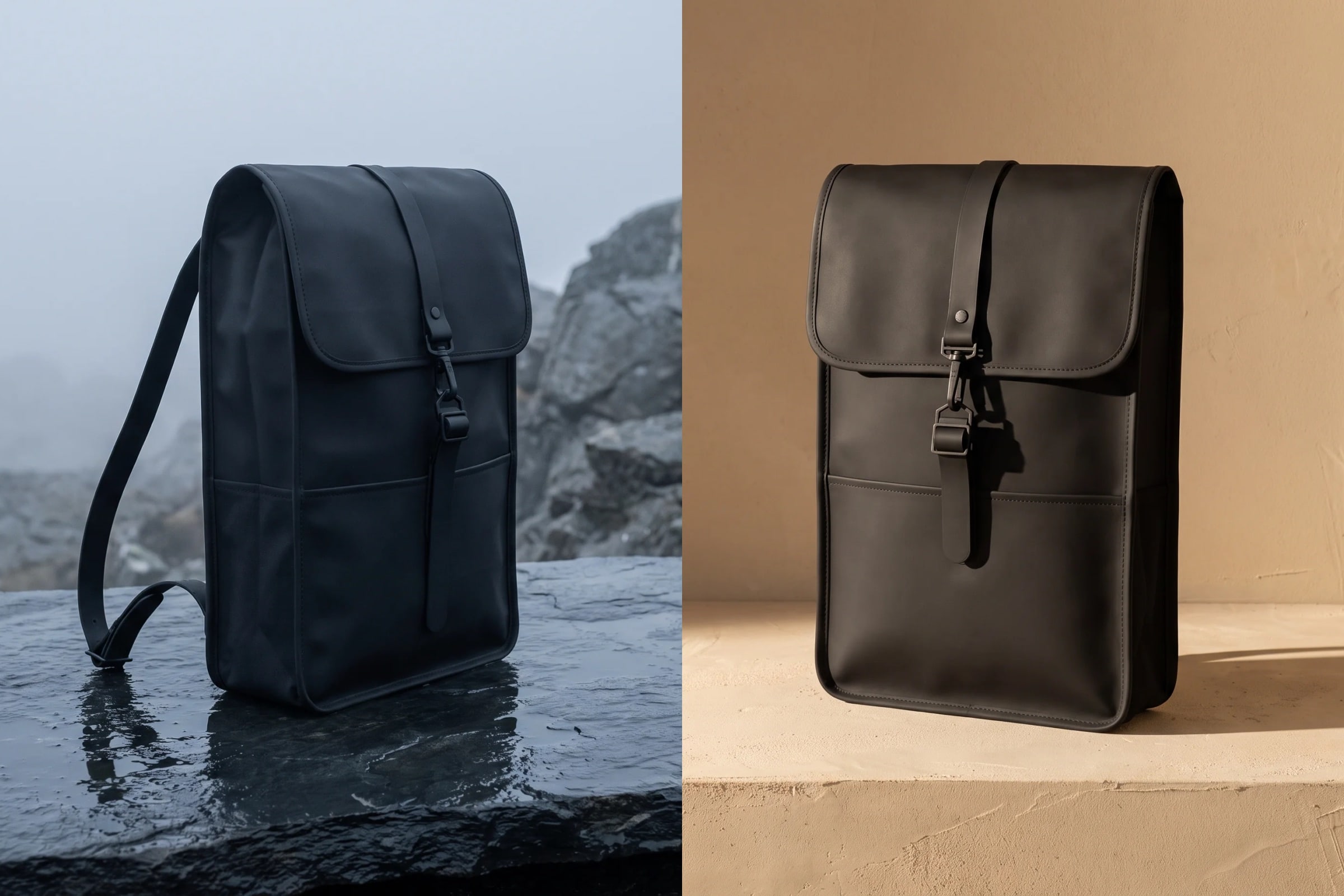
The distinction matters because it is the same distinction that makes the rest of the workflow trustworthy. The product is never generated. It is captured once and reused everywhere.
5. Reuse across B2B and wholesale
The same asset extends beyond the webshop. Brands render salesbook imagery on a separate preset, including for print. They replace physical sales samples with QR-linked digital samples that open in 3D, AR or virtual try-on on a buyer’s phone. Printed B2B catalogues link to the online 3D experience. Each of these used to be a separate content budget with its own timeline and, usually, its own set of samples.
Where the automation stops
A few things stay manual, and brands planning this shift should budget for them.
- Capture is physical. A new silhouette or a new material needs a sample in the studio. The quality of everything downstream depends on this step.
- Approval is human. Someone still signs off the model, the packshot set and the AI Studio output against brand standards. The work moves from producing content to reviewing it, which is faster but not zero.
- AI Studio needs direction. A prompt is a creative brief. Getting a scene right takes iteration, and brands treat it as an extension of the art director’s job rather than a replacement for it.
- Pipelines need connecting. Feeding rendered assets into a PIM, DAM or ad platform is a one-time setup, and it is worth doing properly.
What changes in practice
The calendar decouples from samples. In a traditional process, late samples mean late packshots, which mean late launches. With a 3D master, the capture can happen on the first sample available and the colourway range is completed digitally as production colours are confirmed. [Internal link: footwear packshots and late samples article]
Cost stops scaling with outputs. Per-image prices at high-volume photography studios are already low, and that is not where the saving is. The saving is structural: the number of shoots no longer grows with colourways, formats, channels or seasons. One capture per silhouette per material is the whole variable cost of the product’s visual content.
Two production tracks become one. Many brands run 2D photography and 3D production as parallel workflows with separate suppliers, budgets and timelines. A 3D-first process collapses them into one content foundation, which is the operational change teams tend to value most once they have made it.
How to sequence it
Brands that get this working tend to start with a defined set: one category or one season, captured in a single production window, with the 3D viewer live on the product page as the first output. Packshots and video follow from the same assets. AI Studio comes last, once the team trusts the models and knows the product is right.
The mistake to avoid is treating 3D as a product page feature and photography as a separate content pipeline. The value sits in the shared asset, and it only appears when both sides draw from it.
Frequently asked questions
Does 3D scanning replace product photography for footwear brands?
For catalogue and commercial imagery, yes: packshots, colourways and product video are rendered from the 3D asset. Brands typically keep campaign photography where it involves models and locations, and increasingly use AI Studio to extend that photography rather than reshoot it.
How many samples does a brand need to send?
One per silhouette per material. Colourways of the same silhouette and material are produced digitally from a single capture.
Can AI generate the product itself?
Not to a standard a brand can publish. Generative models produce approximately right products with wrong details. In AI Studio the product comes from the 3D scan and the AI generates only the scene.
What content can be produced from one 3D asset?
Packshots at any angle, colourway variants, 360-degree and detail videos, a Dynamic Product Ads feed, an interactive 3D viewer, augmented reality, virtual try-on, dimensions, annotations, AI-generated lifestyle imagery, B2B salesbook renders and digital sales samples.
Does this work for bags and luggage as well as shoes?
Yes. The capture handles body materials and hardware, and bags and luggage make particular use of dimensions and annotations on the product page.
How fast do brands see results from the shift?
Production savings show in the first season: GANT reported 50% time and cost saved on packshots across 549 products in SS27. Effects on product page conversion are covered separately. [Internal link: conversion rate article]
Fibbl has scanned more than 20,000 shoes, and its 3D assets have powered more than 72 million end-consumer interactions on brands’ product pages.