By Johan Bertilsson, co-founder, Fibbl. Last updated 17 September 2026.
Short answer: photography is priced per SKU. 3D capture is priced per silhouette. A capture covers one silhouette in one material, and every colourway of that silhouette is produced from the same captured model. That means the two costs do not scale together. If your average style ships in one colour, photography is usually cheaper per SKU. From roughly three colourways upward, the capture cost divides across the colour range while the photography cost does not. Your break-even is set by your colourway count, not by the headline price of either method.
The unit of cost is the thing to compare, not the price
Most cost comparisons between photography and 3D put a per-SKU figure next to a per-model figure and call it a comparison. It is not, because the two methods do not price the same unit.
Photography prices a physical event. A pair goes into a bay, under lights, gets shot from five to ten angles, and goes into a retouch queue. Each colourway is a different physical pair, so each colourway is a different event. Ten colourways is ten trips through the same process. Nothing about shooting the black version makes the white version cheaper.
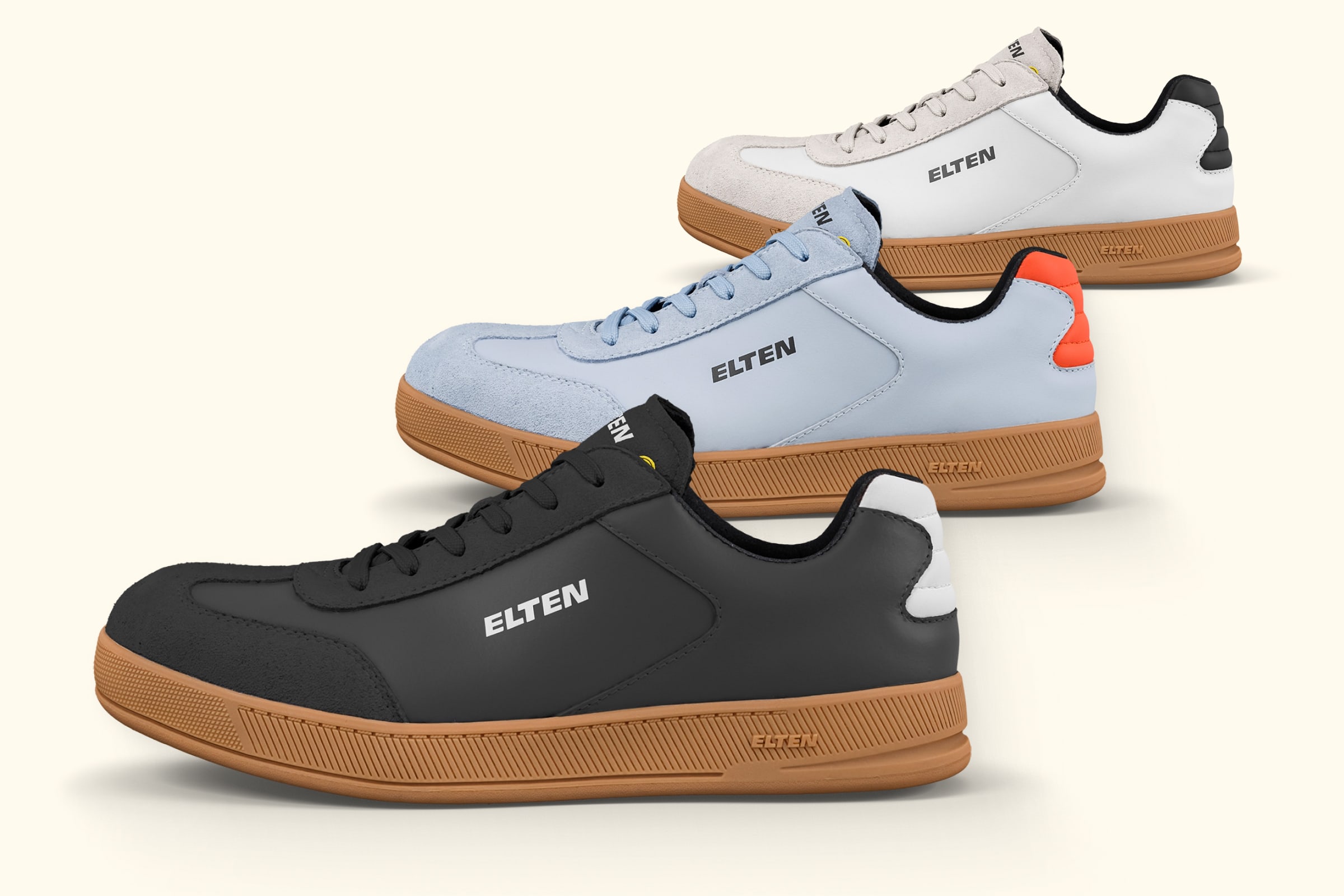
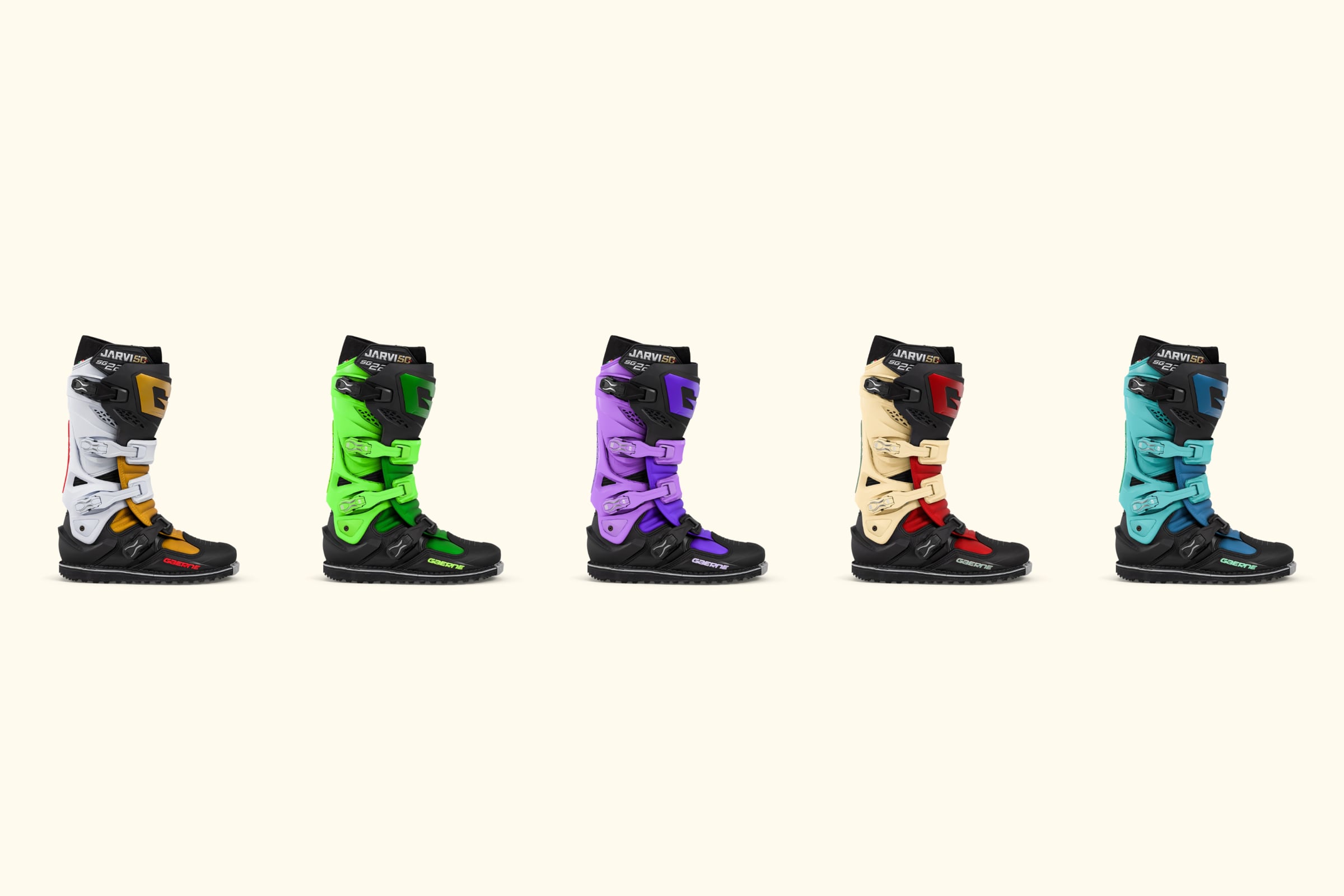
3D capture prices geometry and material behaviour. The scan records the shape, the surface texture, and how the material responds to light. Colour sits on top of that as a property of the model, applied in software and approved against the brand’s colour reference before anything is published. Recolouring a captured model does not require the physical pair, the bay, or the retouch queue.
So the correct question is not “what does a scan cost versus a photo.” It is “how many saleable SKUs does one unit of production cover.”
What one capture covers, and what it does not
One capture covers one silhouette in one material build, and every colourway of that build.
A new capture is required for:
- A new silhouette
- A material change on the same silhouette. Patent, suede, nubuck, knit, and technical mesh reflect and absorb light differently, and that behaviour is captured, not simulated
- A construction change, such as a different sole unit or a different upper pattern
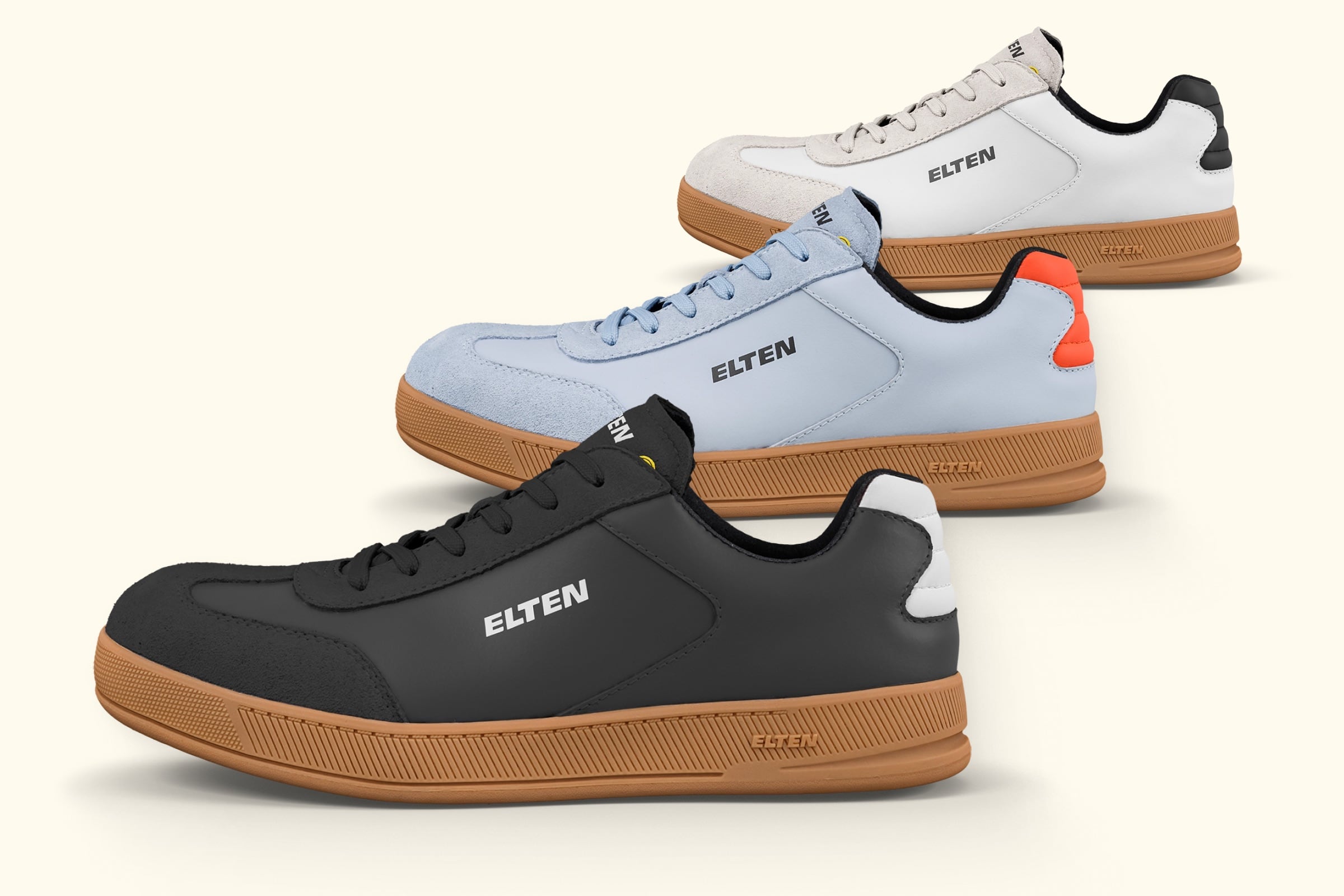
A new capture is not required for a colour change. This is the point most production plans get wrong, because the assumption carried over from photography is one sample per SKU. The working rule is one sample per silhouette per material, with colour handled in software.
The multiplier, written out
The two cost lines look like this:
- Photography
- = per-SKU rate × silhouettes × average colourways per silhouette
- 3D capture
- = per-capture rate × silhouettes × material variants per silhouette
Take a brand with 150 styles and an average of four colourways. That is 600 live SKUs. Say 20 percent of those styles also ship in a second material. That is 180 captures against 600 SKUs, a ratio of 3.3 to 1.
The capture cost is paid once and then spread across every colourway of that silhouette. A style that ships in a single colour carries the whole of it. A style with a full seasonal colour range carries a fraction, and the fraction gets smaller as the range widens.
The photography line is the one that does not move. Whatever your per-SKU rate is, it is the same on the last colourway of a style as it was on the first.
Use your own photography number, not a published range
Published ranges put white-background footwear photography somewhere between $75 and $200 per SKU. Brands running high volume through offshore studios pay considerably less than that, sometimes a small fraction of it.
The argument here does not depend on which figure is right, which is why we are not going to argue about it. The structural point is about the multiplier, not the rate. If your rate is genuinely low and your catalogue is mostly single-colour styles, photography will win on unit cost and you should keep shooting. If your styles routinely ship in four, six, or ten colours, the multiplier does the work regardless of what you pay per shot.
The second season is where the gap widens
A capture is an asset, not a service consumed on delivery.
When a silhouette carries over into the next season in three new colours, photography pays the full per-SKU rate three more times. The captured model pays nothing, because the geometry has not changed. The same applies to a colour added mid-season, a market-specific colourway, and a marketplace listing that needs its own crop.
This is why a single-season comparison understates the difference. The honest comparison runs over the life of the silhouette, and for most footwear brands a silhouette outlives the season it launched in.
What the photography invoice does not show
Three costs sit outside the quoted rate and land on the e-commerce team rather than the production budget:
Sample logistics per colourway. Every colour has to physically reach the studio, in the studio’s window. Ten colours is ten dependencies on a factory calendar you do not control.
Reshoots. Colour that comes back wrong, an angle marketing decided it needed later, a seasonal restyle. Reshoots typically run at a meaningful share of the original budget, and they run at the original per-SKU rate because they are the same physical process.
Launch delay. A late colourway sample holds a page. When colour is a software property, a late colour is a file change rather than a booking.
Where this argument does not hold
It is worth being clear about the cases where the multiplier is small or absent:
- Single-colourway catalogues. If most styles ship in one colour, there is no multiplier and the comparison comes down to unit price
- Material-heavy catalogues. A style that ships in three materials needs three captures, which cuts the ratio by two thirds
- The first season is front-loaded. Building the initial library costs more than one season of photography would, and the return arrives in season two and after
3D scanning also does not remove every shoot. It replaces the packshot and gives you a base for generated scene imagery. Campaign work involving people, locations, and art direction is a different job.
What this looked like in practice
GANT moved packshot production for SS27 to rendered output from captured models across 549 products, and measured a 50 percent saving in both time and cost against their previous photography process.
- 50%
- Time and cost saved on packshots
- GANT, 549 products in SS27
That figure is a full-season measurement across a real catalogue, not a modelled projection, and it includes the work that does not disappear: sample handling, approval rounds, and asset delivery.
How to run this calculation on your own catalogue
Four steps, and you can do it in a spreadsheet in an afternoon:
- Count silhouettes, not SKUs. Group your catalogue by style, ignoring colour
- Count material variants within each silhouette. That is your capture count
- Divide total live SKUs by capture count. That is your multiplier
- Compare your per-SKU photography rate against your capture rate divided by that multiplier
If your multiplier is above three, the arithmetic is probably already in favour of capture. If it is close to one, it is not, and no amount of vendor framing changes that.
FAQ
Do we need to send one sample per colourway? No. One sample per silhouette per material. Colour is applied to the captured model in software and approved against your colour reference before publication.
Does a material change need its own scan? Yes. Patent, suede, knit, and mesh behave differently under light, and that behaviour is captured from the physical product rather than simulated. A silhouette shipping in leather and in knit is two captures.
At how many colourways does 3D scanning become cheaper than photography? It depends on your photography rate, but for most brands the crossover sits between two and four colourways per silhouette. Below that, photography usually wins on unit cost. Above it, the capture cost divides and the photography cost does not.
Is this cheaper for a brand with 50 SKUs? Catalogue size is not what decides it. The ratio is. Fifty SKUs built from twelve silhouettes in four colours each divides exactly the same way as a catalogue ten times the size. A small brand with wide colour ranges gets the same arithmetic as a large one. A small brand whose styles ship in a single colour does not, and that is true at any size.
Does recolouring look as accurate as photographing the real colourway? The brand provides the exact Pantone reference for each colourway. That value is applied to real captured geometry and real captured material response, so it is not a flat swap of a hex value, and every colourway is approved by the brand before it goes live, the same approval step a retoucher’s output goes through.
Do we still need a photographer? For packshots, generally no. For campaign and on-model work with people and locations, yes. The two budgets are usually held separately anyway.
Fibbl has scanned more than 20,000 shoes and bags into interactive 3D. Book a demo or see pricing.