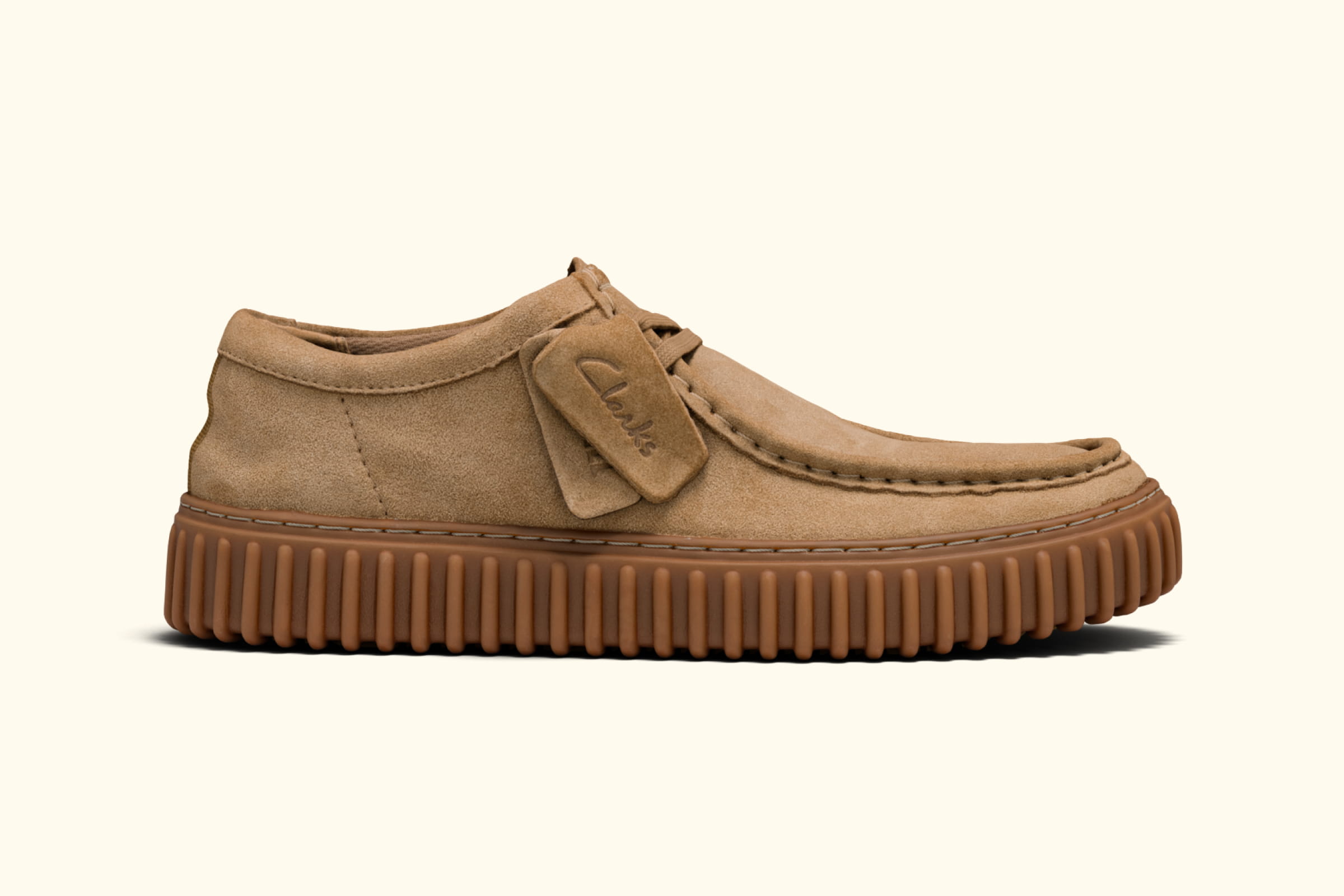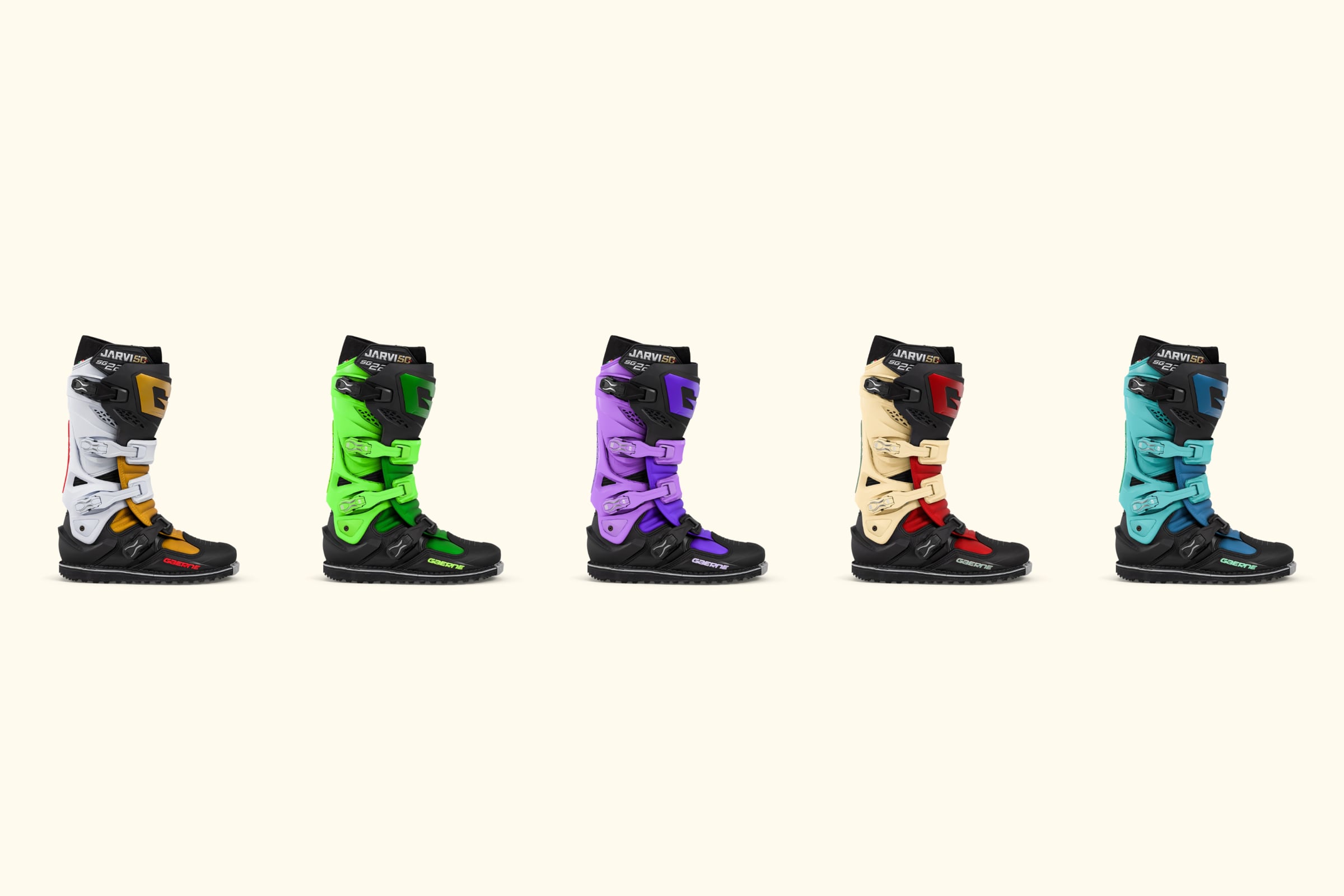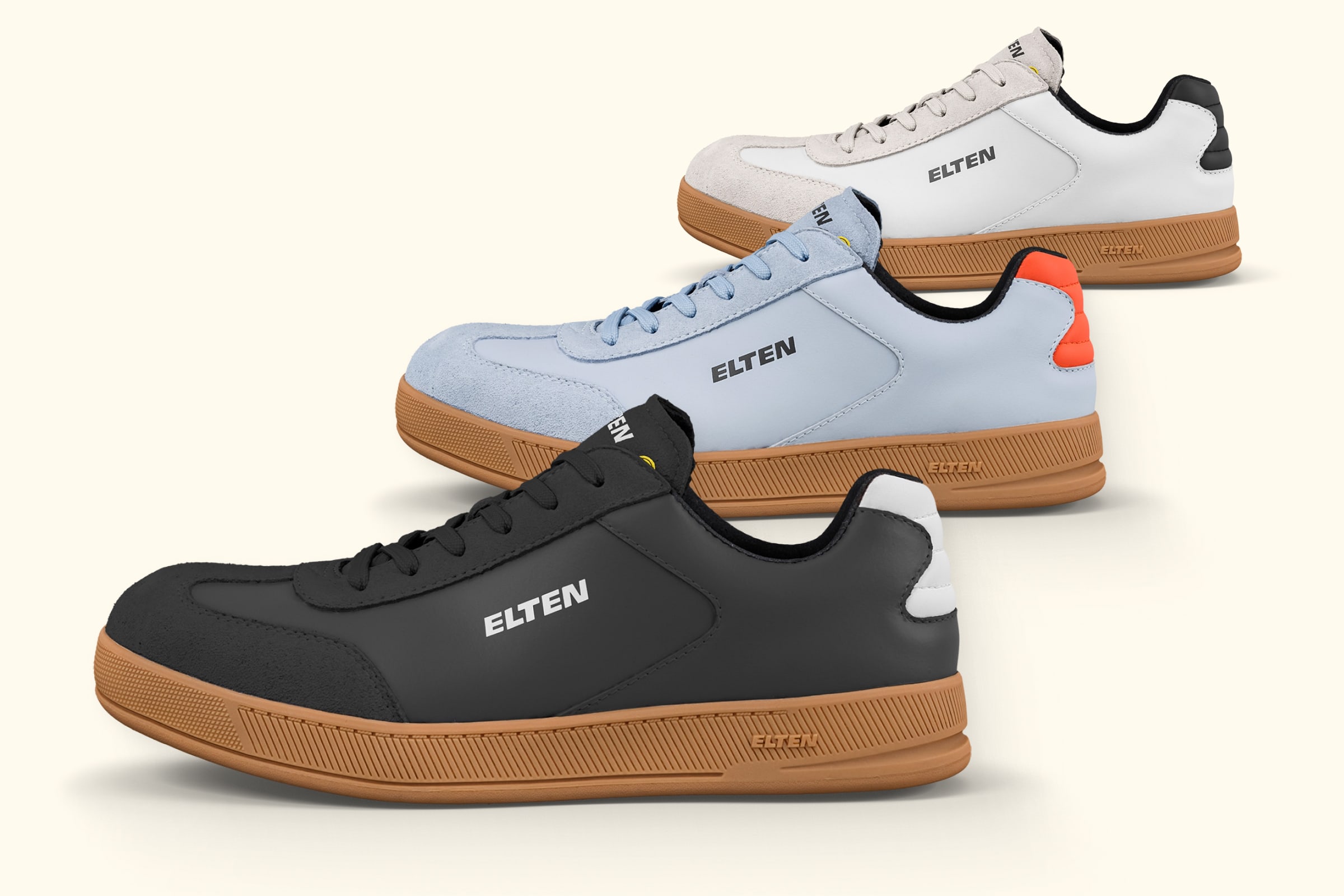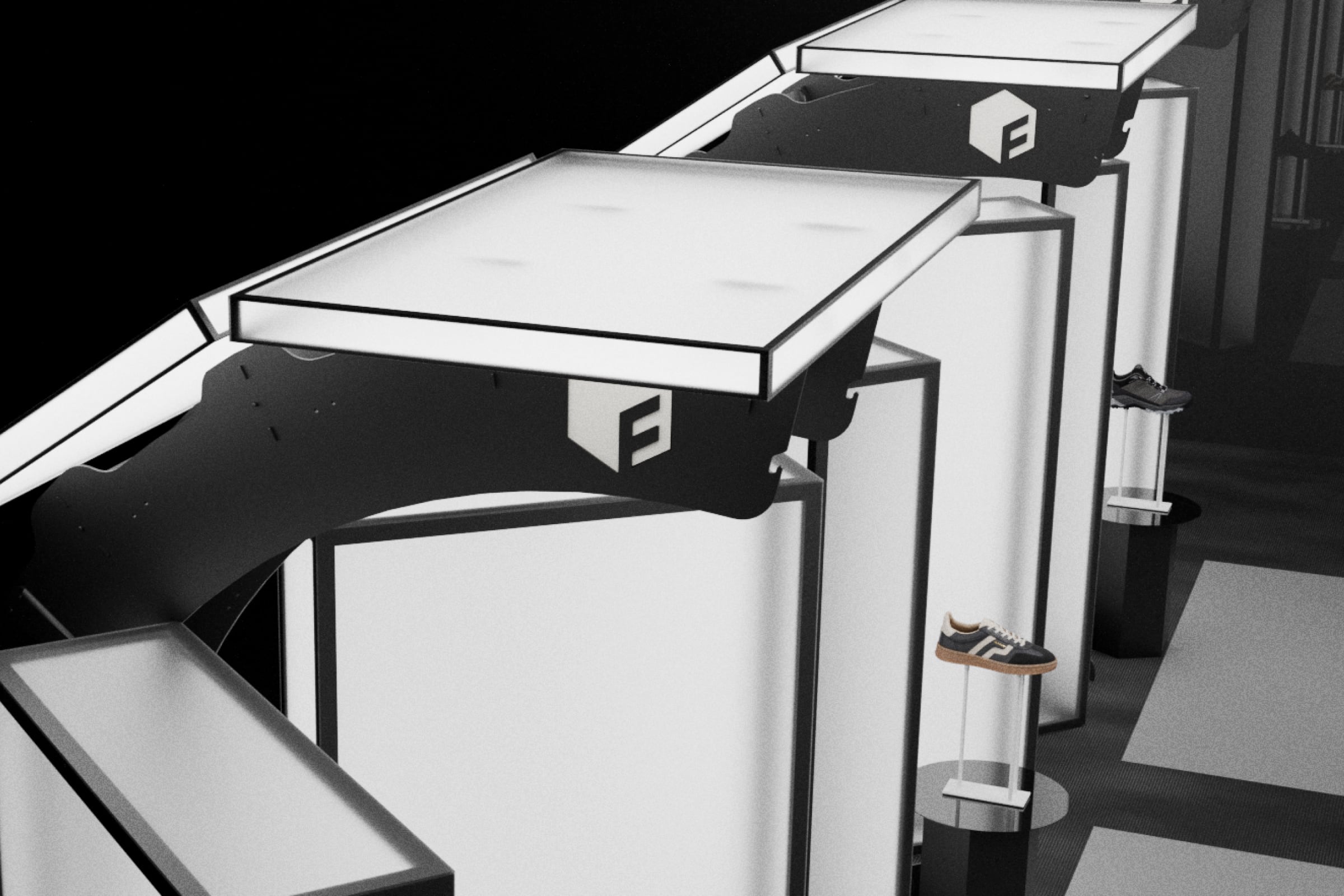
Most 3D scanners were designed for something else. Metrology, dentistry, cultural heritage, hobbyist figurines. Point one at a patent-leather loafer with chrome eyelets and a semi-transparent mesh upper and the limits show quickly: blown highlights, color that drifts between colorways, geometry that dissolves wherever the surface turns glossy. Fibbl ARC exists because off-the-shelf equipment could not meet the quality bar footwear and bag brands need, not on one product and certainly not on a thousand.
What Fibbl ARC is
Fibbl ARC is the proprietary capture hardware at the heart of Fibbl’s 3D pipeline. It is a photogrammetry-based scanning system designed specifically for footwear, bags and luggage, the categories where materials are most varied and least forgiving. Every product is captured under controlled, repeatable lighting with settings tuned to its materials, producing 300-500 high-resolution images per product depending on what is being scanned. Fibbl’s automated reconstruction pipeline then turns that capture into a production-ready 3D asset with sub-millimeter geometric accuracy and color that matches the physical product.
The ARC is not sold as a piece of hardware. Brands do not buy a scanner, train a team, and discover its limits on product number 200. They ship products to Fibbl’s studio the same way they would ship samples to a photographer, and receive finished 3D assets plus every output derived from them.
Why footwear breaks generic scanners
A shoe is a materials stress test. A single style can combine full-grain leather, suede, technical mesh, a rubber outsole, reflective trim and metal hardware, each of which responds to light differently. Generic scanners apply one capture setting to all of them and produce predictable failures:
- High-gloss patent leather and lacquered finishes reflect the light source instead of revealing the surface
- Suede and nubuck lose their nap and read as flat matte
- Semi-transparent mesh confuses depth reconstruction
- Chrome buckles and eyelets create specular hotspots that corrupt the surrounding geometry
- Dark rubber soles swallow detail and edge definition
The result is an asset that looks convincing in a pitch deck and wrong on a product page. More damaging, it is an asset that looks different from the next colorway scanned the following week.
What the ARC does differently
Material-optimized capture. Rather than one setting for everything, the ARC applies capture profiles tuned to the material on the product, with exposure and lighting adjusted for gloss, texture and translucency, and shoots with cross-polarized light. Cross-polarization filters out the specular reflections that plague glossy leather, lacquered finishes and metal hardware, so the camera records the material’s true surface color rather than a mirror image of the lights. The result is a texture clean enough to be used in any render, packshot or AI-generated scene. Leather looks like leather and mesh looks like mesh, not an approximation of either.
Consistency by design. Every product passes through the same calibrated rig under the same controlled lighting. That is what makes a 40-colorway range look like one range rather than 40 separate photoshoots, and what allows this season’s scans to sit next to last season’s without visible drift.
True-to-scale geometry. Products are captured at real-world scale with sub-millimeter accuracy, which is what makes AR placement and virtual try-on credible. A shoe that is 3% too large in AR is immediately wrong to the eye.
Throughput. The ARC was built for full catalogs, not proofs of concept. A single station has a maximum capacity of 80 products in an eight-hour shift, and capture capacity scales up or down with the volume a brand needs. Individual assets can be finished, quality-checked and delivered within 24 hours of capture where a product is needed early, rather than the whole batch waiting on the last scan.
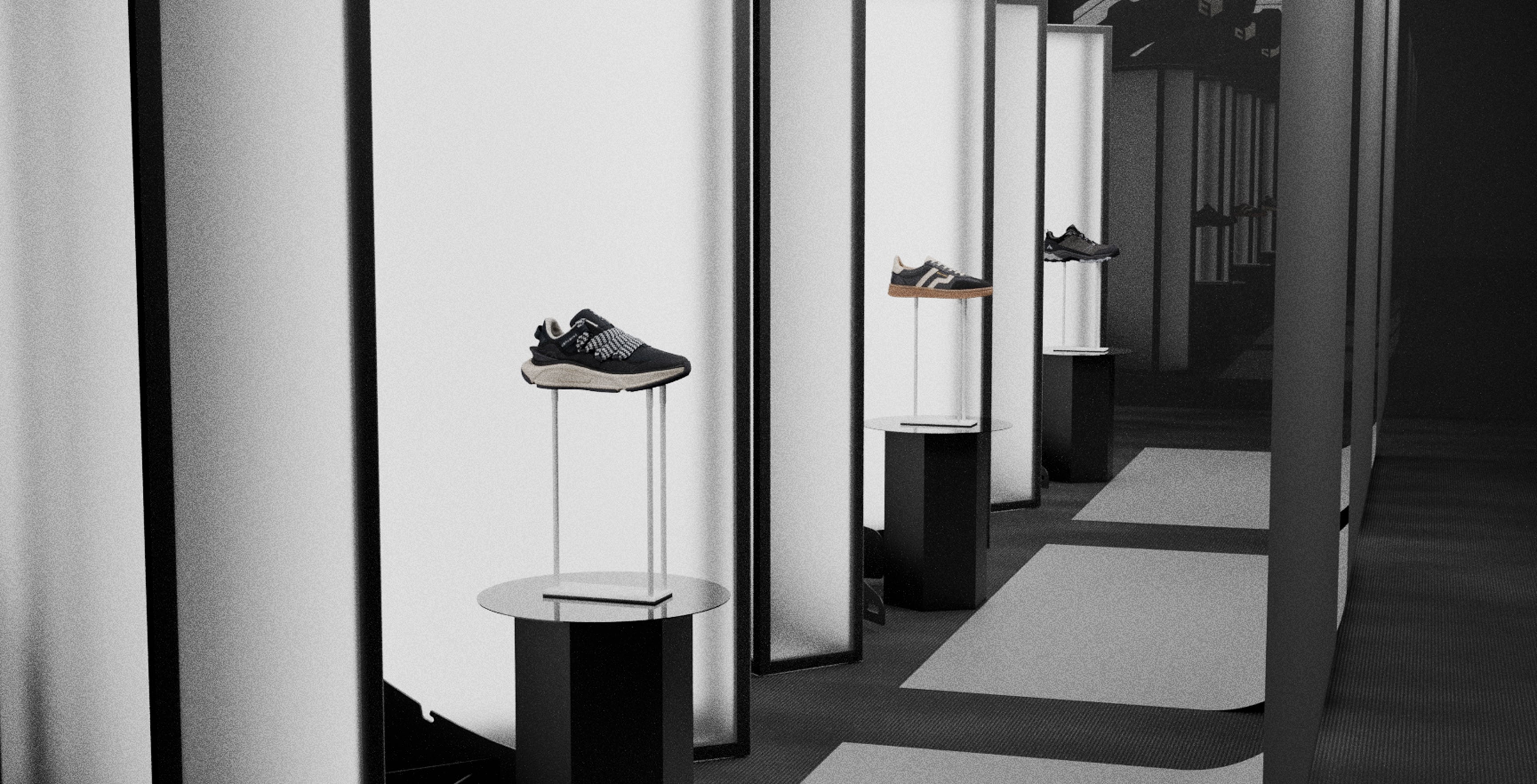
What that looks like on a real season: GANT digitised its entire SS27 footwear category, 549 products, inside a sixteen-day production window. Not a pilot selection, not the hero styles, the category.
From capture to production-ready asset
Capture is only the first step. After the ARC records a product, Fibbl’s reconstruction pipeline builds the mesh and textures automatically, and Fibbl’s post-production team reviews every asset before delivery, checking geometry, color fidelity and material response against the physical sample.
This is also where the materials no scanner can record directly get resolved. Fully transparent components and mirror-finish hardware cannot be captured by photogrammetry, and fur and highly reflective surfaces behave unpredictably under any rig. Those are handled downstream rather than at capture, which is why a product containing them is still a product Fibbl can digitise. A brand does not get told that a style is out of scope because of one buckle.
Assets are delivered as optimized GLB and USDZ files, built for fast loading on mobile, and hosted on the Fibbl platform where they can be distributed across storefronts, marketplaces and marketing channels. For work that needs more than the web-optimized versions carry, the platform also exports FBX files holding more of the underlying scan data, which is what CGI, video and campaign production draw on.
Built for 20,000 products, not five
Many brands have already been through the frustrating cycle: buy a scanner, digitize a handful of hero products, hit a wall when the seasonal catalog arrives. The five-product pilot works; the 500-product rollout does not. The bottleneck is almost never the pilot quality. It is the absence of an industrialized pipeline that holds quality under volume, material variety and deadline pressure.
Fibbl has scanned more than 20,000 shoes and bags through this pipeline, for brands including GANT, Samsonite, TUMI, Rains, Gola and Gaerne. That volume is the proof point: the ARC and the pipeline behind it are not a lab setup, they are production infrastructure that has been running at catalog scale for years.
One scan, every output
The reason to care about capture quality is everything built on top of it. A single ARC scan becomes:
- An interactive 3D viewer on the product page
- AR placement and live virtual try-on on mobile devices
- Packshots from 18 camera angles and multiple lighting setups, without a photoshoot
- AI-generated lifestyle imagery from Fibbl AI Studio, built on the real product geometry rather than a generic image model
- Automatically rendered product video and dynamic product ad feeds for Meta and other channels
Every one of those outputs inherits the accuracy of the original scan. Get the capture wrong and every downstream asset is wrong. Get it right once and the whole content stack is right.
What brands measure
The effect that attaches most directly to capture is production. GANT’s 549-product SS27 footwear category was scanned in sixteen days and its packshots rendered from those scans rather than photographed, at 50% less time and 50% less cost than its previous workflow.
- 549
- Products digitised
- GANT SS27 footwear category
- 16 days
- Production window
- GANT SS27, 549 products
- 50%
- Time and cost saved on packshots
- Against GANT’s previous workflow
Across Fibbl’s client network, end consumers have interacted with Fibbl-powered 3D and AR experiences more than 72 million times.
Frequently asked questions
Can I buy a Fibbl ARC scanner?
No. Fibbl ARC is operated by Fibbl as part of its end-to-end 3D content service. Brands send products to Fibbl and receive finished 3D assets and outputs.
Is Fibbl ARC photogrammetry or structured light?
The ARC is photogrammetry-based. Photogrammetry captures real surface color and texture directly from photographs, which is what e-commerce imagery depends on. The controlled rig, material-specific capture settings and cross-polarized lighting give Fibbl reflection-free base textures, so the material’s true color carries cleanly into any render or lighting setup. That addresses the consistency problems photogrammetry has in uncontrolled setups.
Which materials can it capture?
Leather, patent leather, suede and nubuck, technical mesh, rubber, canvas and textiles, and metal hardware. Fully transparent materials and mirror-finish hardware cannot be captured by photogrammetry, and neither can fur or highly reflective surfaces be relied on at capture. All of those are handled in the pipeline after scanning, so they do not put a product out of scope.
What file formats do I get?
Optimized GLB and USDZ for web and AR use, delivered ready to run on mobile. FBX holding more of the underlying scan data can also be exported from the Fibbl platform for CGI, video and campaign production.
How accurate are the scans?
Sub-millimeter geometric accuracy at real-world scale, with color matched to the physical sample.
How long does it take?
An ARC station has a maximum capacity of 80 products per eight-hour shift, and capacity scales with the volume required. Where a product is needed early, a finished asset can be delivered within 24 hours of capture without waiting for the rest of the batch. GANT’s full SS27 footwear category, 549 products, was produced within a sixteen-day window.
Where does scanning happen?
At Fibbl’s production studio in Warsaw. For large volumes, Fibbl can also set up on-site at the brand’s own studio.