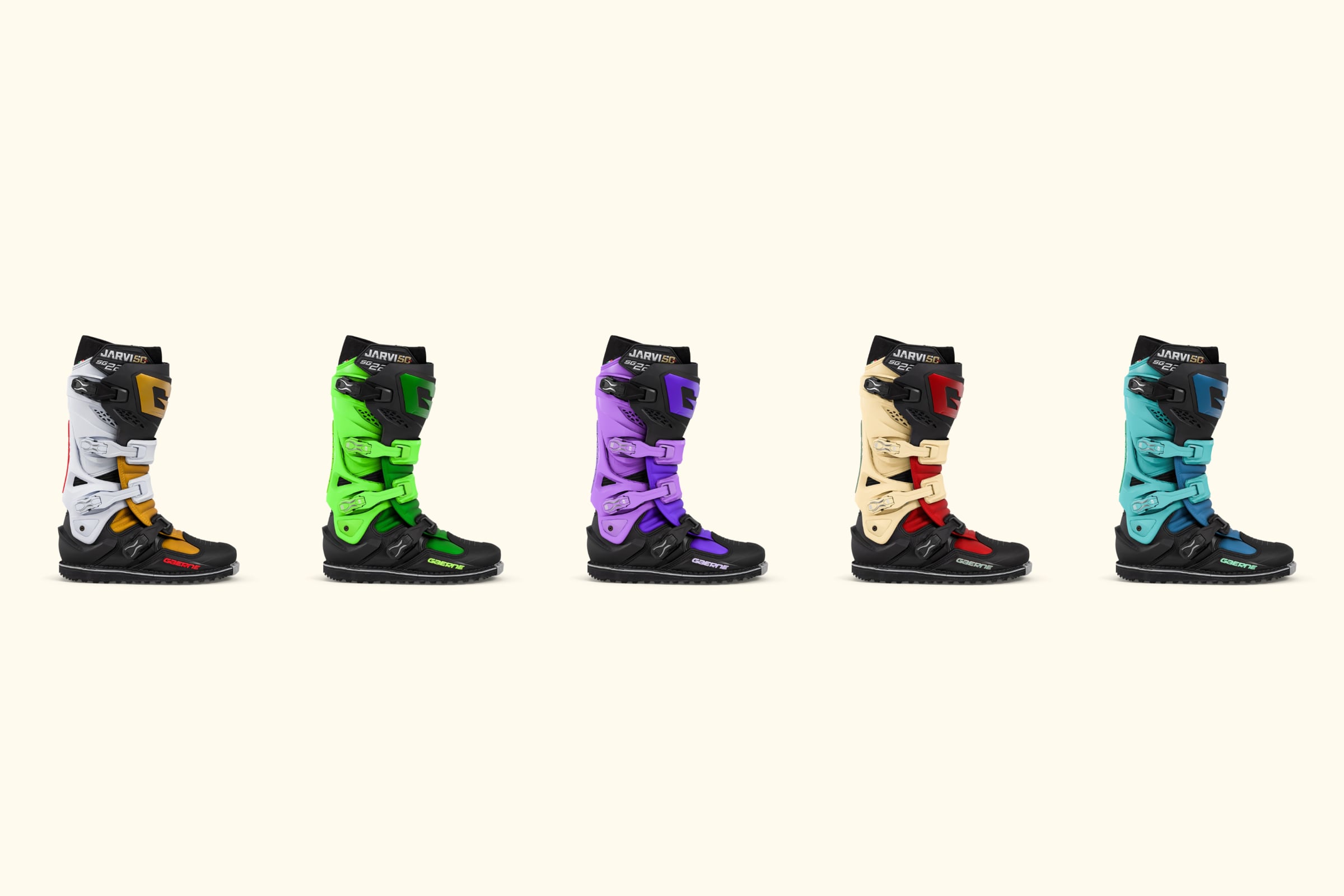
Quick Summary
You already know 3D belongs on your product pages. The hard part is picking who builds it. This guide compares 11 of the best 3D product rendering and visualization companies for e-commerce, each selected for its ability to help brands create, render, or deploy 3D product content at scale. Some suit a Shopify store with a few hundred SKUs. Others are built for enterprise catalogs and complex configuration.
Working with a 3D Product Rendering & Visualization Company
Most 3D commerce investment decisions stall at the same point. The brand is convinced, and the budget is roughly there. Then someone opens ten vendor websites, and every one claims the same things. Better conversion. Lower returns. Immersive experiences at scale. The pitches blur together fast.
The truth is simpler. These companies aren’t interchangeable. They specialize. One is built for furniture brands. Another does a sneaker try-on. A third focuses purely on creating 3D assets, leaving deployment, AR, and e-commerce integration to other tools. Pick the wrong fit, and you lose months.
So this list does the sorting for you. We rank each provider by the job it does best, not by who shouts loudest. Use the comparison table for a fast scan, then read the entries that match your catalog.
Why Trust Us
This list comes from Fibbl. We build 3D for footwear and bag brands every day, so we know the category from the inside rather than off a spec sheet.
The numbers back that up. Fibbl has 3D scanned more than 18,000 shoes and counting. Our platform has powered over 50 million interactive 3D and AR experiences online. We’ve also watched what converts and what flops.
Fibbl is also a vendor on this list, so we kept the bias in check. Every competitor here earns its place. We tell you who they suit, plainly, and if they beat Fibbl, we say so.
What 3D Product Rendering & Visualization Companies Actually Do
A 3D product rendering and visualization company turns physical products, CAD files, or existing product images into reusable digital assets. It uses technologies like 3D scanning, AI, photogrammetry, and 3D modeling for the conversion. Some companies go a step further and even handle the deployment across your store and marketing channels.
For e-commerce and DTC brands, the work tends to split into a few outputs:
- 3D viewers on the product and collection pages. Shoppers rotate, zoom, and inspect the product freely. No more guessing from flat photos. This is the interactive 3D viewer experience most buyers picture first.
- Augmented reality. Customers place the product in their own space. A bag on the table. A sneaker beside their own shoe. AR closes the gap between screen and reality.
- Virtual try-on. The product maps onto the customer’s body in real time. For footwear, that means a virtual try-on built for shoes, mapped to the foot.
- Product imagery and video. One 3D asset generates packshots, lifestyle shots, and ad videos. Any angle, any background, no reshoots.
Some companies specialize in a particular area. Others bring deployment, distribution, or AI-powered content generation as add-ons.
Benefits of 3D Product Visualization for Ecommerce
The business case for 3D product visualization is no longer theoretical. Across industries, brands consistently report higher conversions, lower returns, and faster content production.
- Higher conversion. GANT ran 3D-first product pages across 13 markets and 400,000 users. Conversion rose 6.3%. Shoppers who engage with 3D simply buy more often. We break down the mechanics in our guide on increasing footwear conversion rates.
- Lower returns. Zach Footwear added 3D to its product pages, and returns dropped 29.4%. Misrepresentation almost vanished as a reason for sending the product back. People knew what they were buying.
- Cheaper, faster content. GANT spun 392 video assets out of 196 SKUs for Meta Dynamic Product Ads, all from existing 3D models. Click-through rose 30.27%. ROAS rose 13.79%. Not a single new photoshoot.
- One asset, every channel. A single 3D capture feeds your store, your ads, and your B2B showroom. That reuse is the real economic argument, and we lay it out in full in the 2D to 3D business case.
The pattern is hard to miss. 3D pays back through conversion, returns, and content savings at once.
3D Product Rendering and Visualization Companies – Reviewed and Compared!
Here are the top 3D rendering and visualization companies compared and reviewed in detail:
| Company | Best for | Asset Creation | Output Types | Catalog scale | Pricing model | Free trial |
| Fibbl | Footwear & bag brands scaling full catalogs | Proprietary 3D scanning and managed 3D asset production | Packshots, AI imagery, product videos, 3D viewer, AR, VTO | Hundreds to thousands of SKUs | Custom / quote-based | Free product scan |
| Threekit | Configurable enterprise products | CAD or existing 3D asset conversion | 3D viewer, configurator, AR | Mid to enterprise | Custom / quote-based | Demo only |
| Pixready | Brands wanting a dedicated CGI production studio | Managed modeling | 3D configurator, product renders, lifestyle imagery, animations | Small to enterprise | Custom / quote-based | No |
| Modelry (CGTrader) | Large ecommerce catalogs | Managed modeling | 3D models, renders, AR | Mid to enterprise | Pay-as-you-go per model. Starts from $42 | Quote |
| Avataar | AI-powered immersive commerce | AI + managed | AI imagery, product videos, 3D viewer, AR | Mid to enterprise | Custom / quote-based | Demo only |
| Zakeke | Shopify SMBs wanting customization | AI generated | Configurator, 3D viewer, AR, VTO, AI imagery | Small to mid | From $69.90/mo | 14-day trial |
| Threedium | Brands looking for a strong IP-protected solution | AI generated | 3D viewer, configurator, AR | Small to enterprise | Free tier, from $14/mo | Free plan |
| LEVAR | Managed AR commerce projects on Shopify | Managed modeling from existing assets | 3D viewer, AR, VTO | Small to mid | From ~$99/mo + models | Free to install |
| VNTANA | Enterprises managing 3D assets across channels | Managed service | 3D, viewer, AR | Enterprise | Custom / quote-based | Limited free trial |
| Sayduck | Furniture and home retail brands | Managed 3D modeling | 3D viewer, configurator, AR | Small to mid | Models from $179; platform on request | On request |
| Toggle3D (Nextech AR) | Affordable self-serve 3D creation | CAD conversion | 3D models, renders, AR | Small to mid | Freemium; low monthly | Freemium |
1. Fibbl — Best for Footwear and Bag Brands
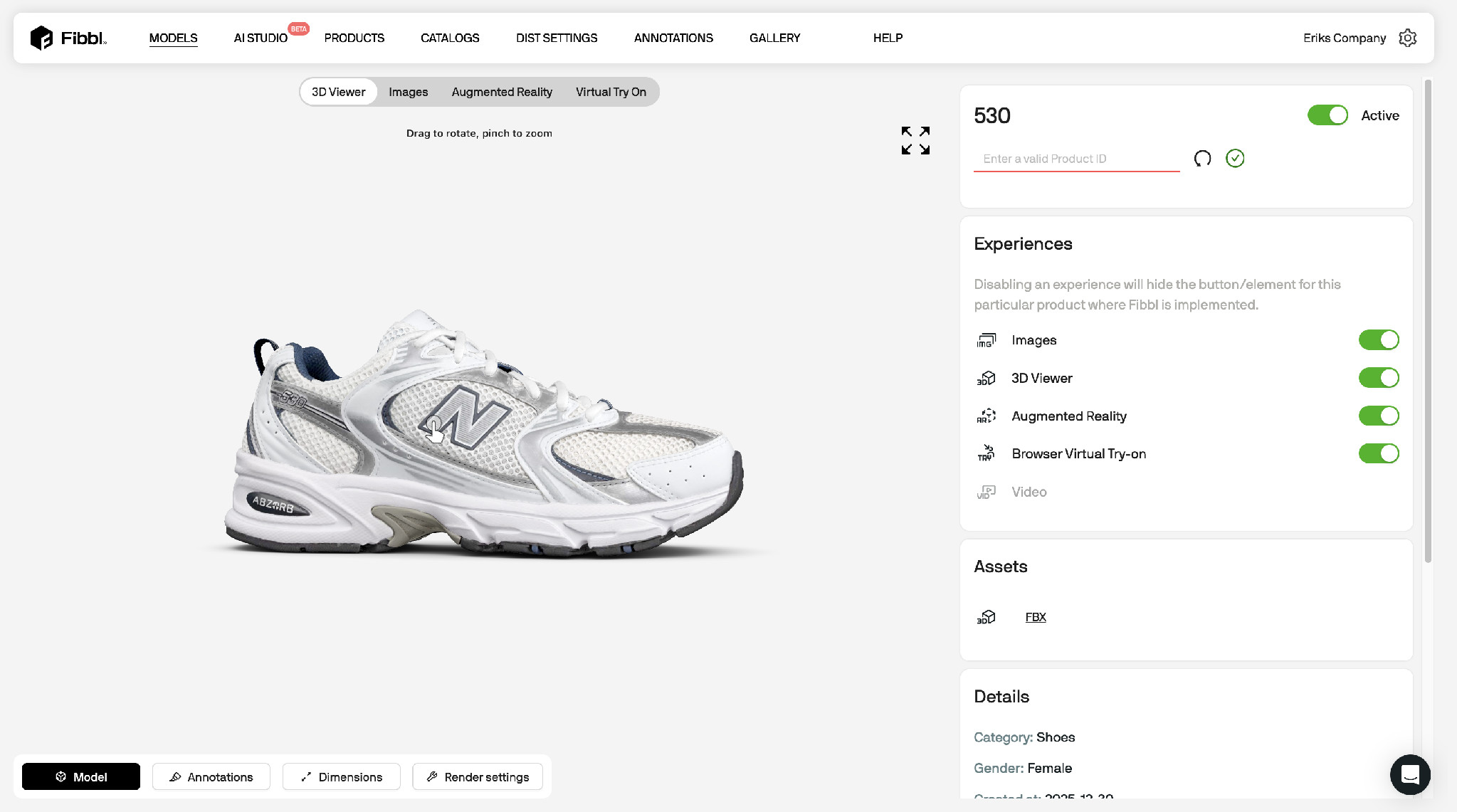
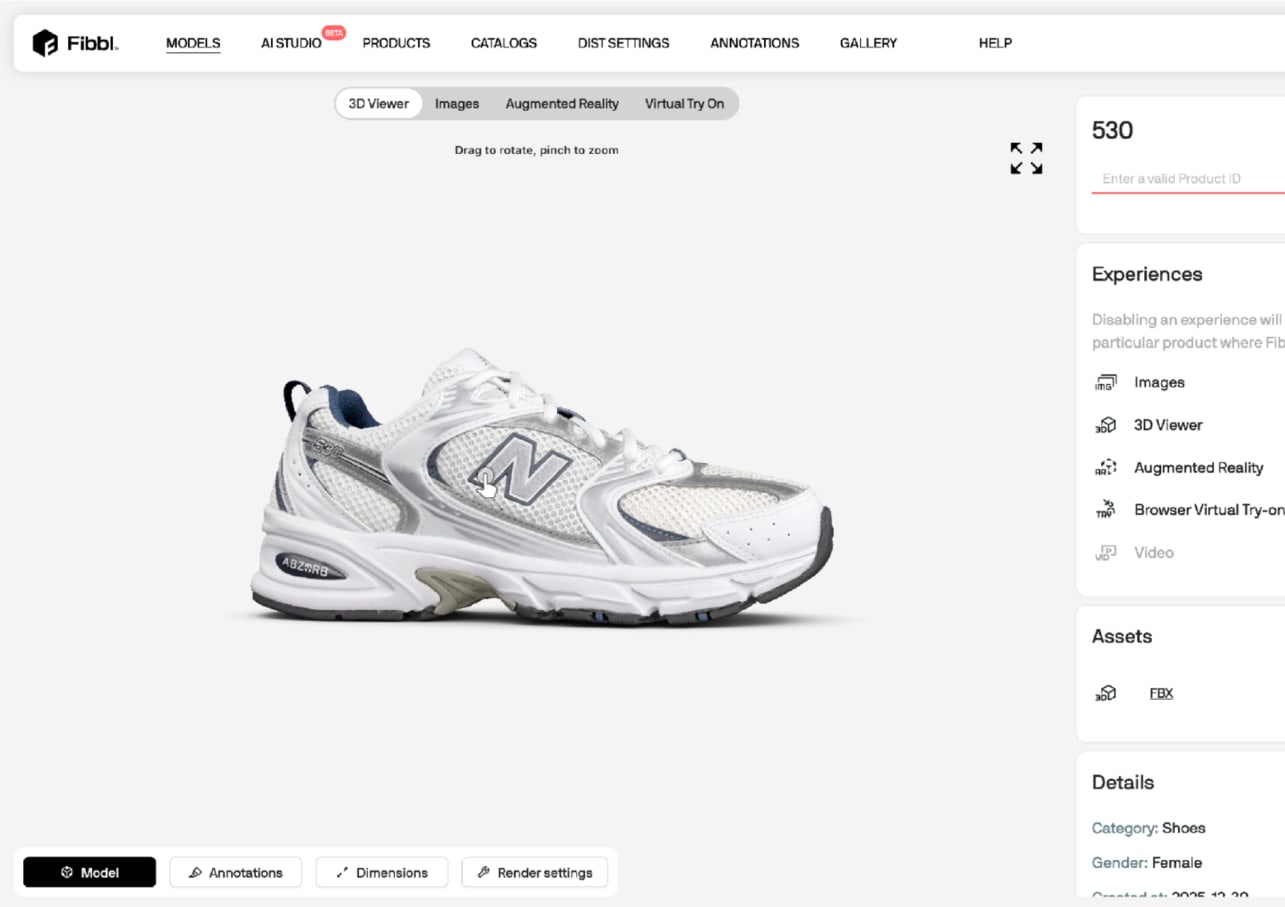
Fibbl is a 3D content partner purpose-built for footwear and bag brands. Rather than serving every retail category, it focuses exclusively on helping footwear and accessories brands scale product content.
You ship physical samples, Fibbl captures them on its own hardware with material-specific settings, and you get production-ready 3D assets back. The pipeline is tuned for the materials that make footwear so hard to render. Patent leather that mirrors light. Suede that swallows it. Engineered mesh, metallic hardware, fine stitching. Every asset holds sub-millimeter accuracy and true-to-life color, whether it’s a glossy boot or a knit sneaker.
From a single capture, Fibbl produces everything a content team needs. It creates packshots at any angle and lighting, AI-generated lifestyle imagery from text prompts, and photorealistic CGI renders without a reshoot. Then, it generates dynamic product videos delivered as a Meta-ready ad feed. One asset feeds e-commerce, marketing, and B2B showrooms alike, so brands can replace the physical samples they ship to retailers with immersive 3D.
The company runs a platform, too. A single Fibbl script integrates across 200+ e-commerce platforms. They include Shopify, WooCommerce, Magento, and BigCommerce, and AR and virtual try-on activate automatically wherever they’re supported. On the product page, the 3D viewer lets shoppers rotate and zoom to inspect stitching, switch colorways without new photography, and read size overlays. Virtual try-on maps the shoe onto the customer’s foot in real time. See the full range of product content it generates.
The results are measured, not promised. GANT saw a 6.3% conversion lift across 13 markets at 95% statistical significance. Zach Footwear cut returns by 29.4%. Across its base, Fibbl has powered more than 50 million end-user interactions in a single year and added over 200,000 hours of product-page engagement. The point that matters most for a growing brand: It’s built to digitize thousands of SKUs season after season, not just ten hero products.
Pricing
Custom, based on catalog size. Free product scan to start.
Pros
- The only provider purpose-built to scale footwear and bag 3D to thousands of SKUs, season after season.
- Full service, from proprietary capture hardware to finished assets to distribution across 200+ platforms.
- Proven, category-specific results: a 6.3% conversion lift, 29.4% fewer returns, and 40M+ annual interactions.
2. Threekit
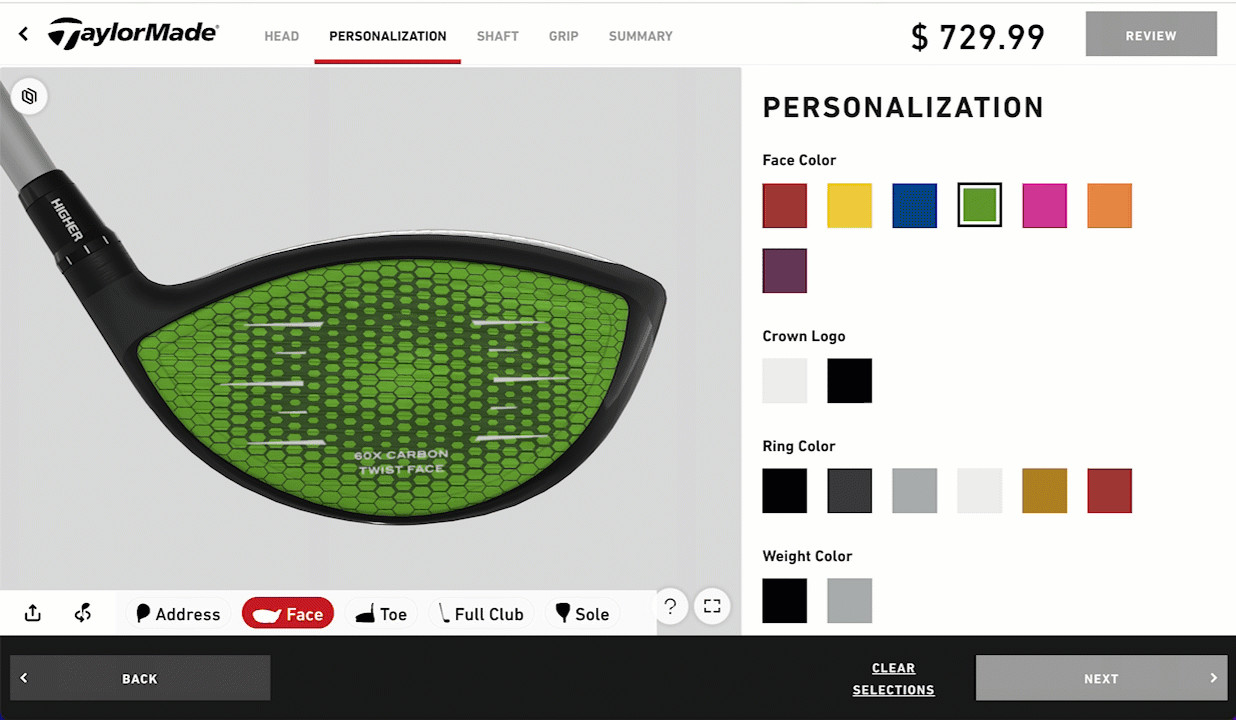
Image Credits: G2
Threekit helps brands create photorealistic product renders from existing CAD files and 3D models, and turn those assets into interactive product experiences. Shoppers can configure colors, materials, and components in real time, and the same models power add-ons, like virtual product photography, AR, and product configurators.
Behind the service sits an established enterprise platform with a long track record in configurable commerce. Pricing is tailored to scope, so you’ll get a quote after a short scoping call. Unlike Fibbl, Threekit is designed for configurable commerce across multiple industries rather than being purpose-built for footwear and bag brands.
Best for
Configurable enterprise products.
Pricing
Custom, enterprise-tier. Demo on request.
Pros
- Powerful real-time configuration for complex, customizable products.
- Generates virtual product photography from existing 3d assets.
- Established, enterprise-grade track record.
3. Pixready
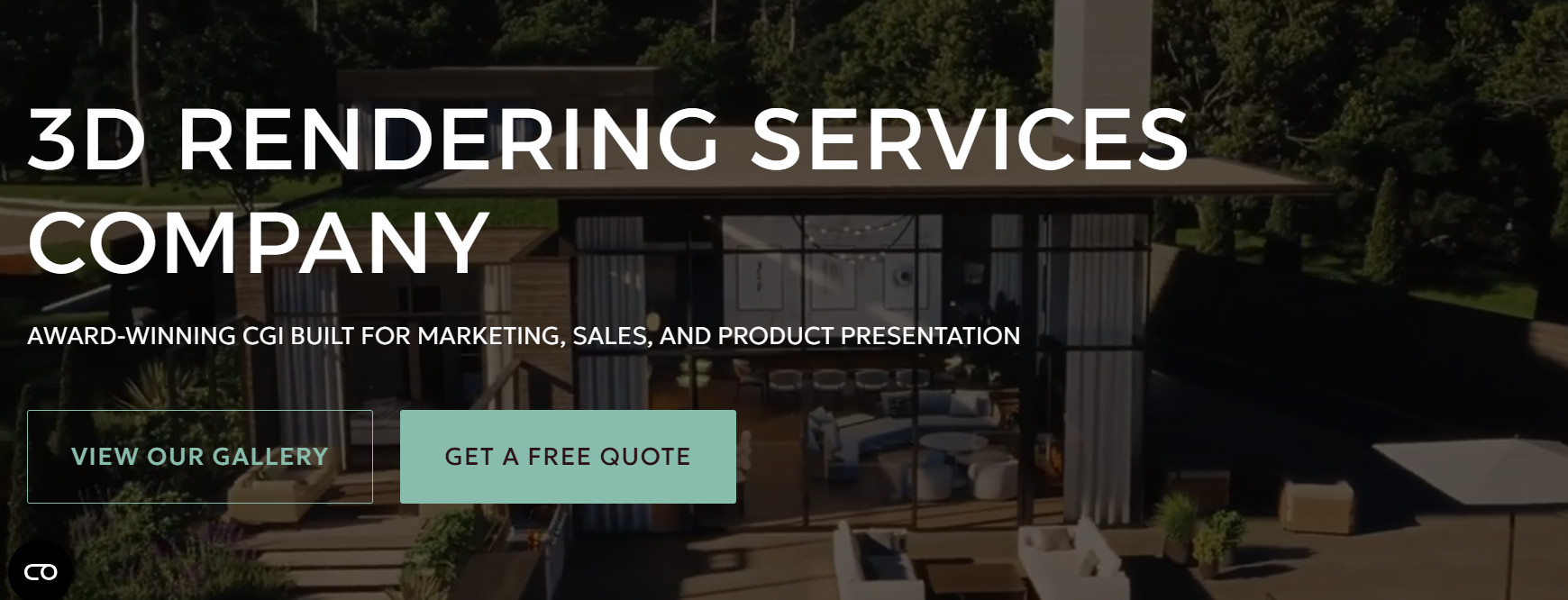
Pixready provides photorealistic 3D product rendering and CGI services for e-commerce brands, retailers, and manufacturers. The company specializes in producing high-quality product renders, lifestyle imagery, animations, and other marketing assets from 3D models. Brands can outsource individual campaigns or ongoing content production without building an in-house 3D team.
Its services span everything from white-background packshots to complex lifestyle scenes and product animations. Pixready is a strong choice for brands that want premium visual content without investing in an internal 3D team.
Best for
Brands wanting a dedicated CGI production studio.
Pricing
Custom, quote-based.
Pros
- High-quality photorealistic product renders and lifestyle imagery.
- Flexible project-based engagement with no long-term platform commitment.
- Produces marketing-ready images, animations, and CGI for e-commerce campaigns.
4. Modelry by CGTrader
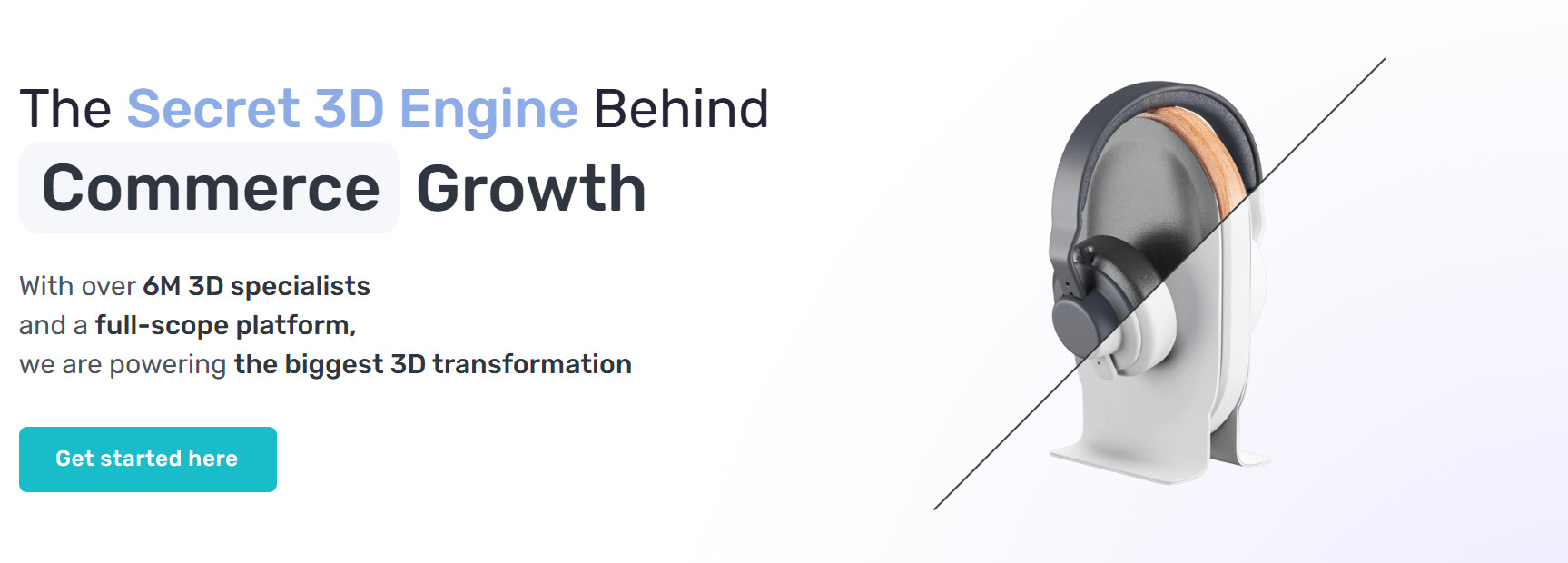
Modelry, CGTrader’s managed 3D content service formerly known as ARsenal, helps retailers and brands create photorealistic 3D models and rendered product content at scale. Whether you need 50 models or 5,000, an automated delivery pipeline turns products and references into web-ready assets with fast turnaround. There are no hidden fees. You pay as you go for exactly what you order.
The service includes a digital asset management system. So, finished 3D assets stay organized and ready to deploy across product pages, configurators, virtual showrooms, and marketing. CGTrader brings one of the largest 3D talent pools in the industry behind the work.
Best for
Large e-commerce catalogs.
Pricing
Starts from $49. Pay-as-you-go per model. Custom at scale.
Pros
- Scales from dozens to thousands of models with fast turnaround.
- Transparent pay-as-you-go, with no long commitment required.
- Includes built-in digital asset management to organize and distribute finished assets.
5. Avataar
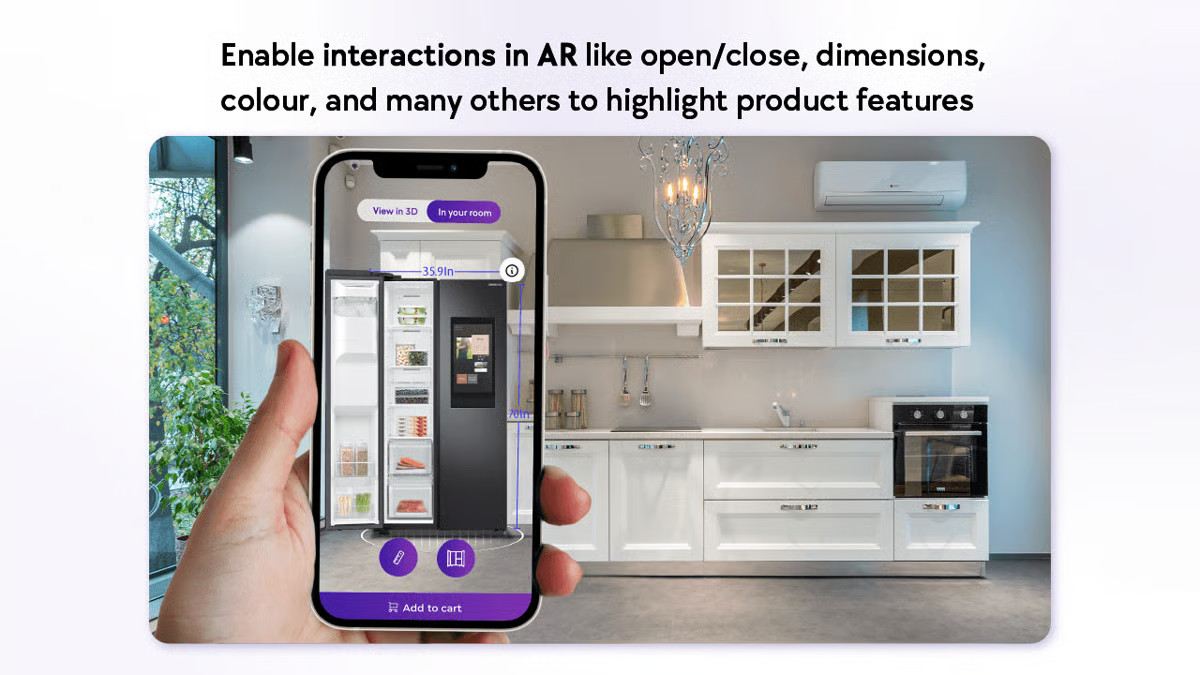
Image credits: G2
Avataar is an AI-driven 3D content service for brands, retailers, and marketplaces. Its Velocity service converts existing product images into 3D models, rendered product visuals, videos, and interactive experiences without requiring a new product photoshoot. The pitch is speed and volume: it can deliver thousands of models a month using generative AI and computer vision.
The technology runs on a creator platform, available via AWS, that produces professional images, video, and 3D in a few clicks. Brands use it to quickly scale product visuals across channels, and pricing is contract-based and volume-based.
Best for
Brands and marketplaces scaling AI-generated 3D content and video.
Pricing
Custom, contract-based.
Pros
- Generative AI creates 3D models and videos quickly, often from existing images.
- Built for high throughput, with thousands of assets a month.
- Generates 3D assets, rendered imagery, and video from a single workflow.
6. Zakeke
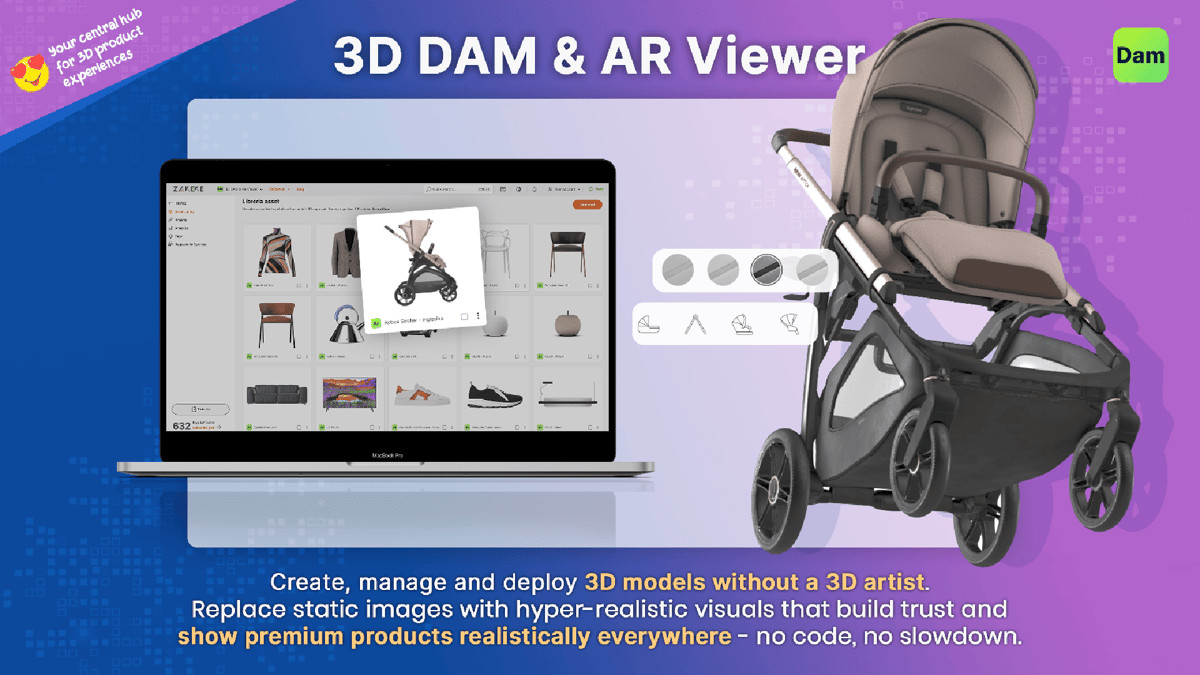
Zakeke offers AI-powered 3D content creation, rendered product imagery, and interactive commerce tools for e-commerce brands. Its capabilities extend from 3D asset generation to AR, virtual try-on, and product customization.
Partnering brands can easily deploy assets and product experiences on Shopify, BigCommerce, WooCommerce, and Adobe Commerce, avoiding lengthy implementation timelines. Unlike most vendors on this list, Zakeke publishes its pricing publicly. Plans start at $69.90/month, include a 14-day free trial, and scale based on published products and views. A small transaction fee applies to customized orders. Browse Zakeke pricing and alternatives for a closer look.
Best for
SMBs on Shopify.
Pricing
Starts from $69.90/mo. 14-day free trial.
Pros
- Affordable, transparent pricing.
- Fast integration with Shopify, BigCommerce, WooCommerce, and Adobe Commerce.
- Covers customization, 3D, AR, and try-on in one app.
7. Threedium
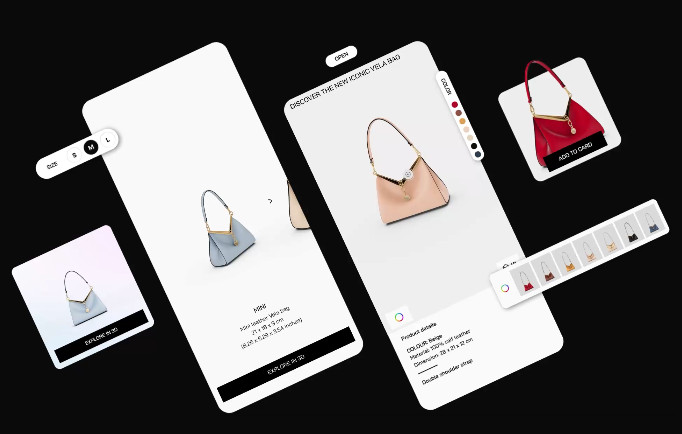
Threedium is a UK-based 3D commerce company that creates 3D product assets and rendered product content, then extends them into interactive viewers, configurators, and AR experiences. It serves fashion, luxury, automotive, and retail brands looking to scale immersive commerce.
Two things set Threedium apart: flexible pricing and its proprietary TUF file format, which helps protect 3D assets from scraping and unauthorized reuse.
Plans range from a free tier to enterprise pricing, making it easy to start small and scale over time. Its broad industry focus and self-serve tooling make it a better fit for teams with some in-house 3D capability than brands looking for a fully managed service
Best for
Brands looking for strong IP-protected solutions.
Pricing
Free tier, paid from $14/mo, and custom enterprise.
Pros
- Unusually flexible pricing, including a free tier.
- TUF file format protects 3D assets from scraping.
- Broad industry support with powerful self-serve tools.
8. LEVAR
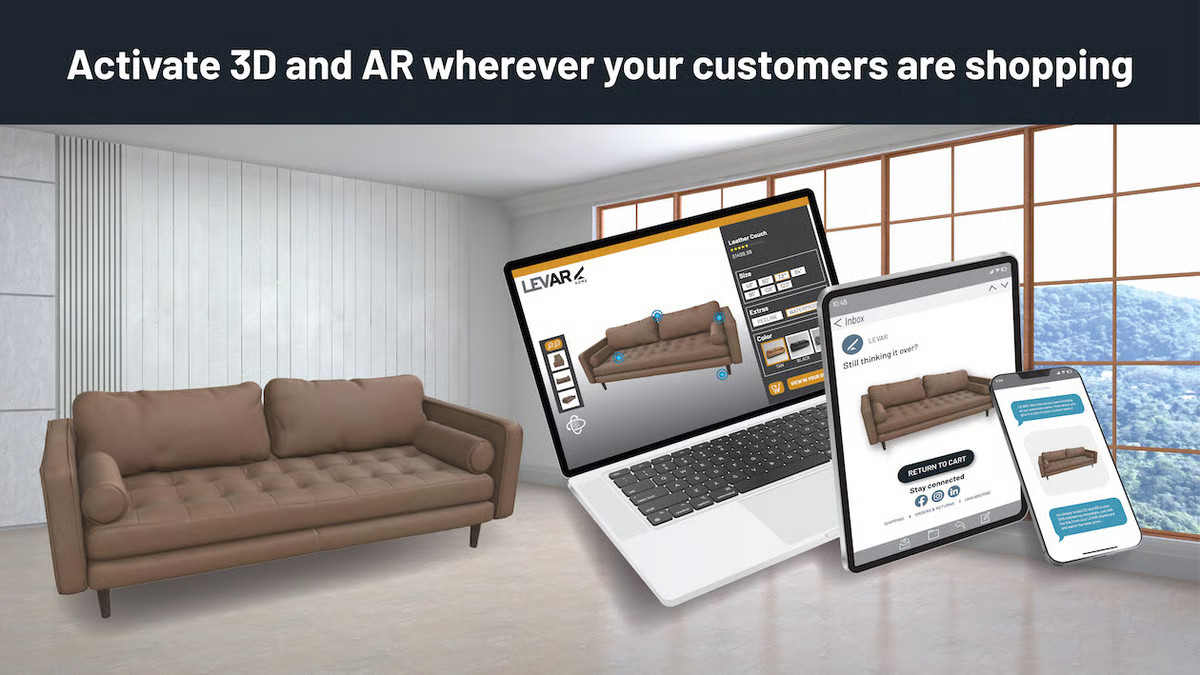
Image Credits: G2
LEVAR provides managed 3D content creation, rendered product imagery, and AR experiences for Shopify and DTC brands. The approach is largely done-for-you. It can create 3D models from a handful of product photos or work with existing assets. Then, it deploys them as interactive 3D, AR, and virtual try-on across product pages, email, SMS, social media, and landing pages.
The service also supports product variants, with discounted pricing for additional colorways created from the same base model. Pricing starts at around $99/month and scales by plan.
Best for
Managed AR commerce projects on Shopify.
Pricing
From ~$99/mo plus model creation.
Pros
- One-click Shopify integration with strong reviews.
- Creates models from a few photos, or uses your own.
- Deploys 3D and AR across many channels, not just the PDP.
9. VNTANA
VNTANA combines managed 3D model creation with enterprise-grade asset management and distribution. Brands can create 3D assets through partner services, like 3D scanning, photogrammetry, or modeling from product photos. hen, it optimizes and publishes those assets across e-commerce and retail channels from a single platform.
Pricing is based on storage and model count, with a limited free trial for standard formats. If your bottleneck is 3D distribution rather than production, VNTANA is purpose-built for that.
Best for
Enterprises managing 3D assets across channels.
Pricing
Custom, storage-based. Limited free trial.
Pros
- Best-in-class 3D asset management and distribution.
- Managed 3D model creation with automated file optimization and CAD support.
- Built for genuine enterprise scale.
10. Sayduck
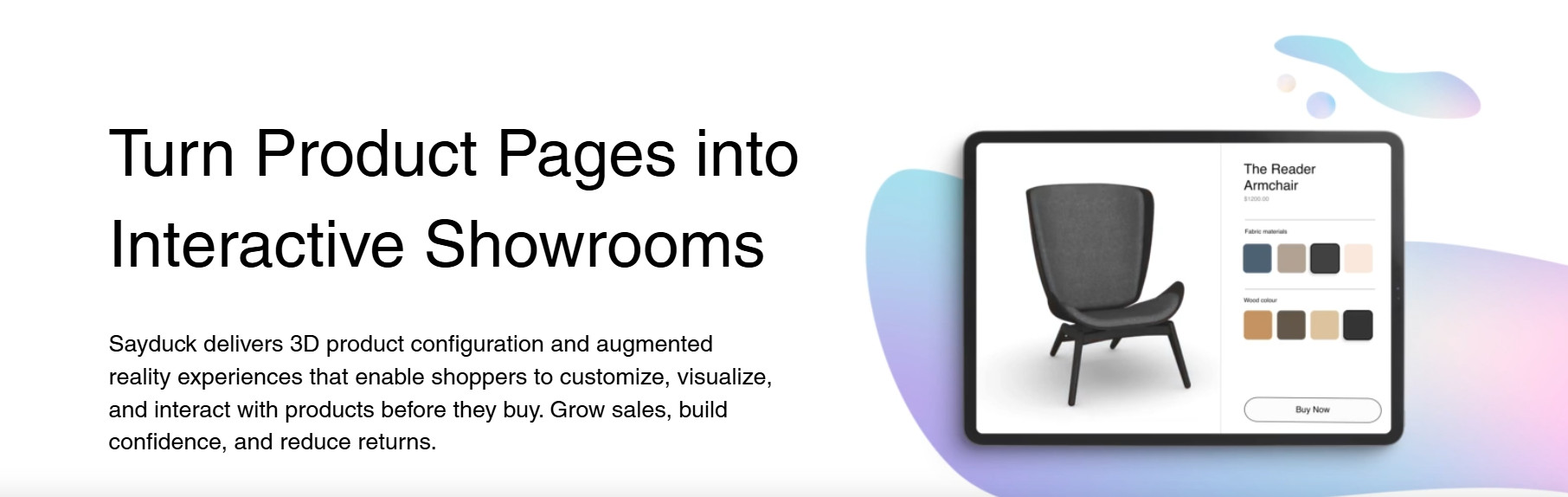
Sayduck provides managed 3D model creation, rendered product imagery, and lightweight 3D and AR experiences for e-commerce brands. Its offering is aimed primarily at smaller catalogs looking for a simple path into 3D commerce.
The company produces 3D models as a managed service, with pricing starting at $179 for simple products, then publishes them through an embeddable 3D and AR viewer. Platform pricing is available on request, and model turnaround typically ranges from a few days to a few weeks depending on complexity.
Best for
Furniture and home retail brands.
Pricing
Models from $179. Platform pricing on request.
Pros
- Lightweight viewer that’s easy to embed into e-commerce stores.
- Transparent per-model entry price.
- Good fit for small, simple catalogs.
11. Toggle3D by Nextech3D.ai
Toggle3D, from Nextech3D.ai, makes 3D model creation for e-commerce affordable and self-serve. Merchants can create 3D models through a browser-based design studio and publish them with AR support across their e-commerce store. Its self-serve approach reduces the need for dedicated scanning equipment or commissioning individual 3D models from external studios.
Finished assets can be published to Shopify, BigCommerce, WooCommerce, Magento, and other e-commerce platforms that support interactive 3D and AR product experiences.
Best for
Ecommerce brands wanting affordable, self-serve 3D model creation.
Pricing
Freemium; low monthly hosting.
Pros
- Freemium pricing with low monthly hosting.
- Self-serve model creation, with no per-model artist fees.
- Integrates with Shopify, BigCommerce, WooCommerce, and Magento.
What to Look for in a 3D Product Rendering and Visualization Company
The right vendor isn’t the one with the slickest demo. It’s the one that holds up across your whole catalog, every season. Five things separate a real partner from a point tool:
- Scalability. Ask about throughput, not just quality. A vendor who nails 20 products can still stall at 200. Get the real number. For a growing brand, this is the single biggest filter.
- Category expertise. 3D for shoes is not 3D for furniture. The materials and geometry differ. Pick a provider with proven results in your category. Our guide on choosing a 3D commerce provider for footwear digs into this.
- Channel-ready output. Assets should deploy across stores, marketing, and B2B with no extra processing. Ask what formats you get, and whether they’re web-optimized out of the box.
- End-to-end capability. Creation and distribution in one system saves your team a pile of integration work. A point tool that solves half the chain just pushes the rest back onto you.
- Proven results in your category. Look for real metrics: conversion lift, return reduction, and content savings. Generic 3D case studies don’t count. You want evidence from brands that look like yours.
Conclusion
The 3D opportunity in e-commerce is no longer a bet. The conversion lifts and return reductions are measured, repeatable, and well documented. The only real question left is who builds it with you, and the right choice comes down to your catalog. Weigh each provider against your scale, your materials, and the channels you actually need to feed. A tool that dazzles on a handful of hero products can still buckle the moment a full season lands. Fit beats flash every time.
If you’re a footwear or bag brand scaling a real catalog, that shortlist gets narrow fast. You need category-specific capture and the muscle to handle thousands of SKUs without quality drifting. That’s exactly what Fibbl was built for.
The best way to judge quality is on your own products. Get a free product scan and see the result firsthand, or book a demo to talk through a full pipeline for your catalog.