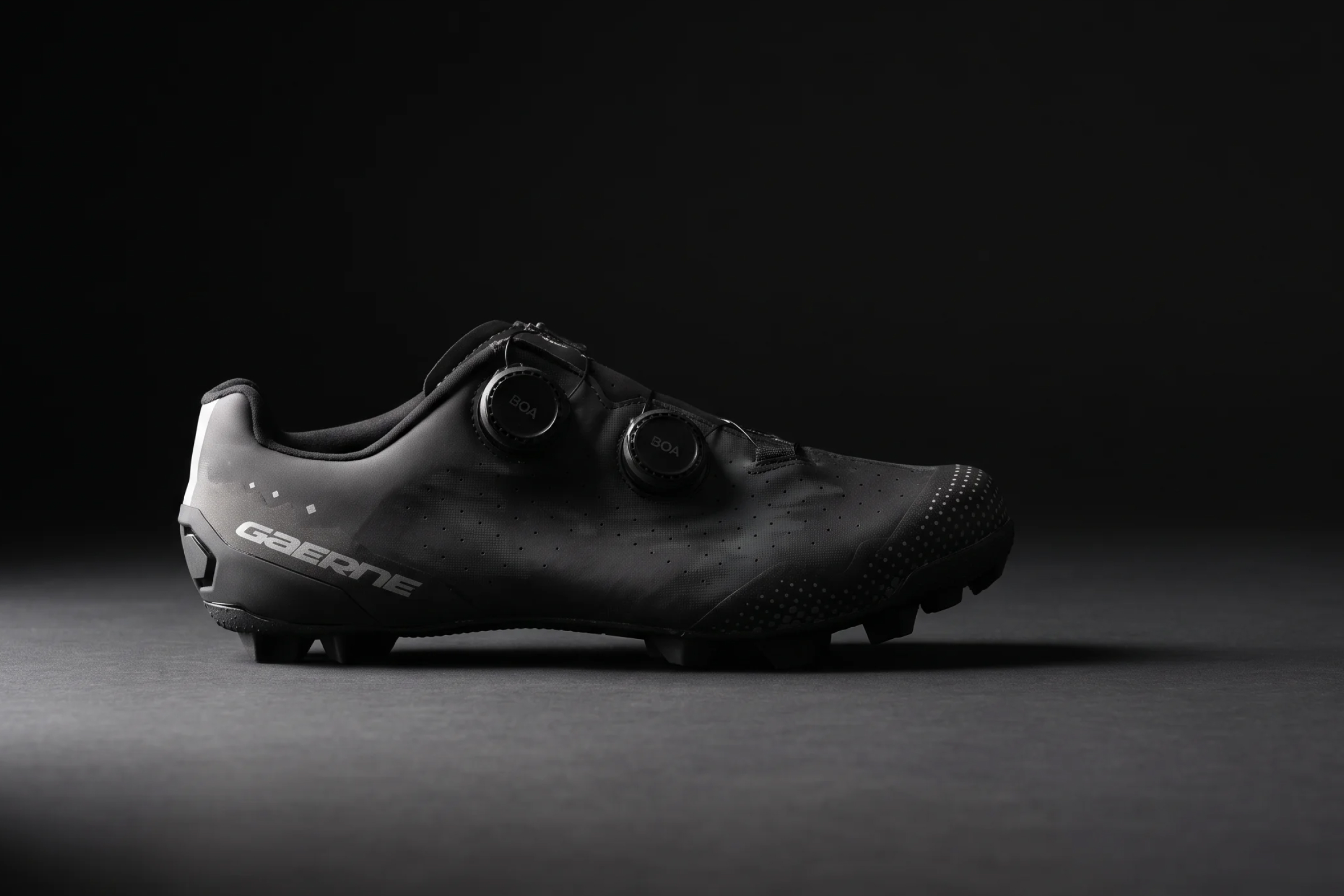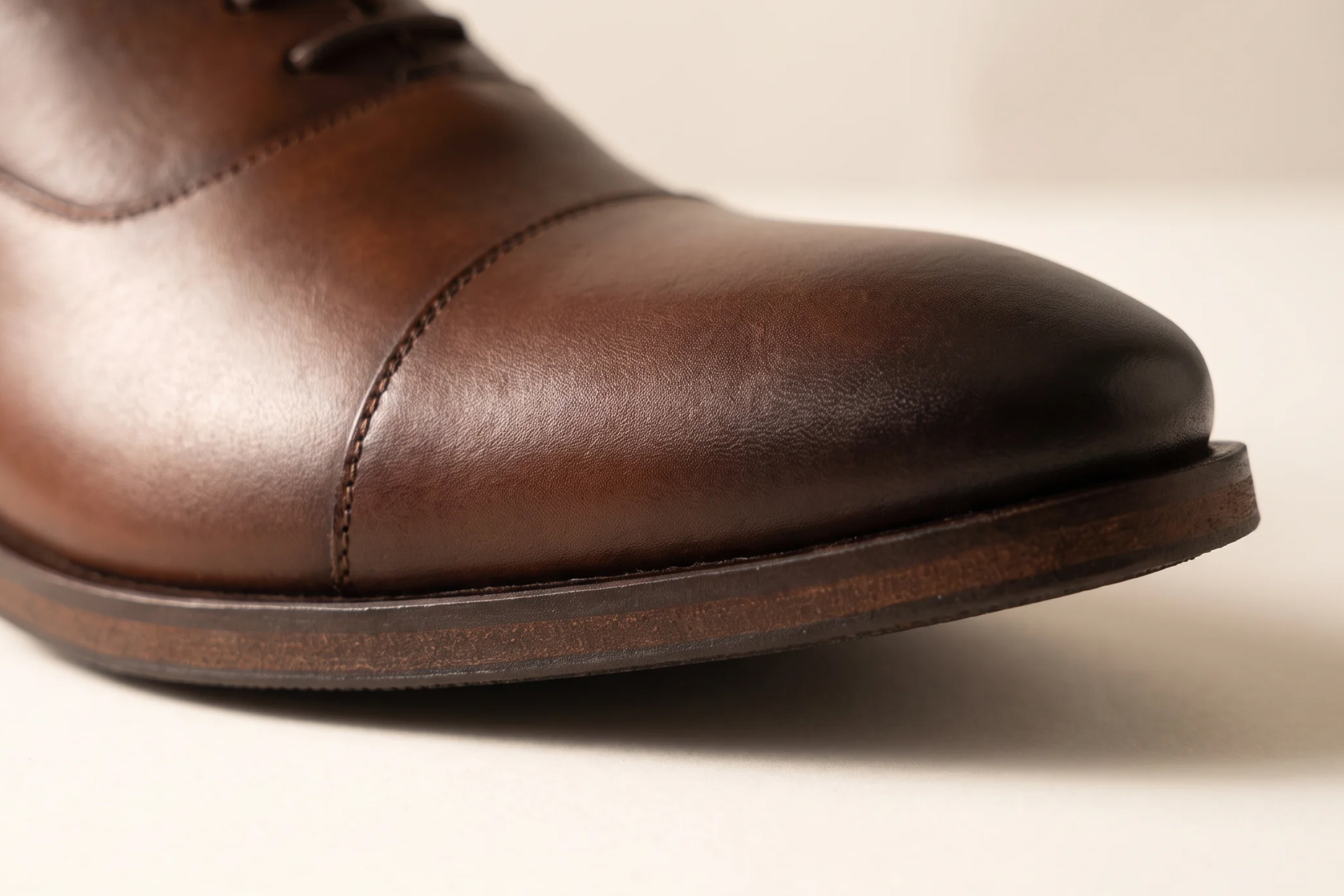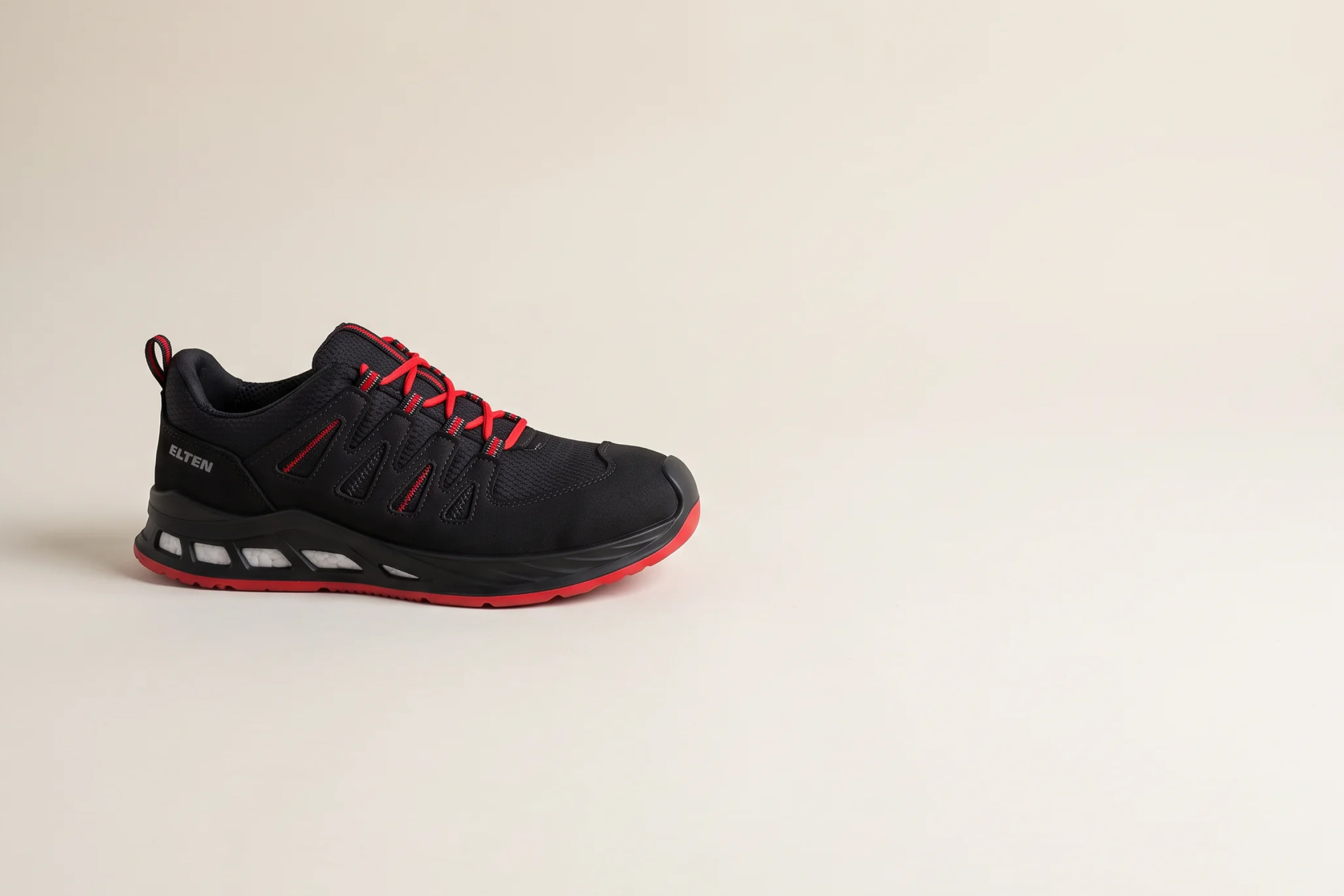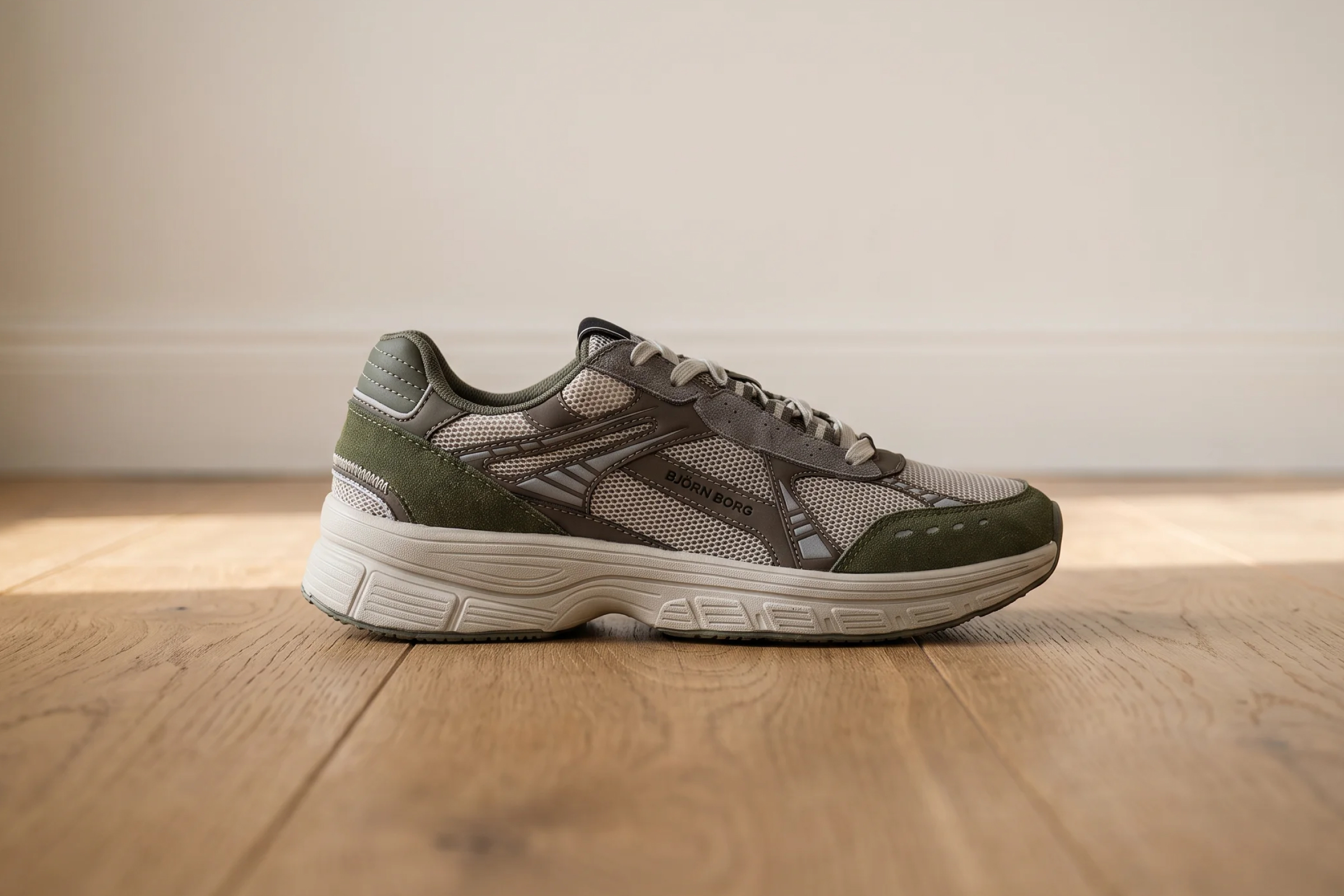
Quick Summary
Footwear packshot photography is the standard for clean product images. But traditional packshots are slow, costly, and hard to scale. Whereas virtual 3D packshots generate the same visuals faster, cheaper, and from unlimited angles. So, there’s no reshooting required.
Why Packshot Photography Still Defines Footwear E-commerce
Your product image is your first impression. Before a shopper checks the price, they look at the photo. Where a strong packshot set lets shoppers examine the shoe from every angle. They can study the silhouette, the sole profile, the heel shape, and the toe box. Multiple shots build a mental picture of the product. That familiarity drives confidence, and confidence drives purchases. This guide explains footwear packshot photography, its benefits, challenges, and modern alternatives.
Footwear Packshot Photography Explained TL;DR
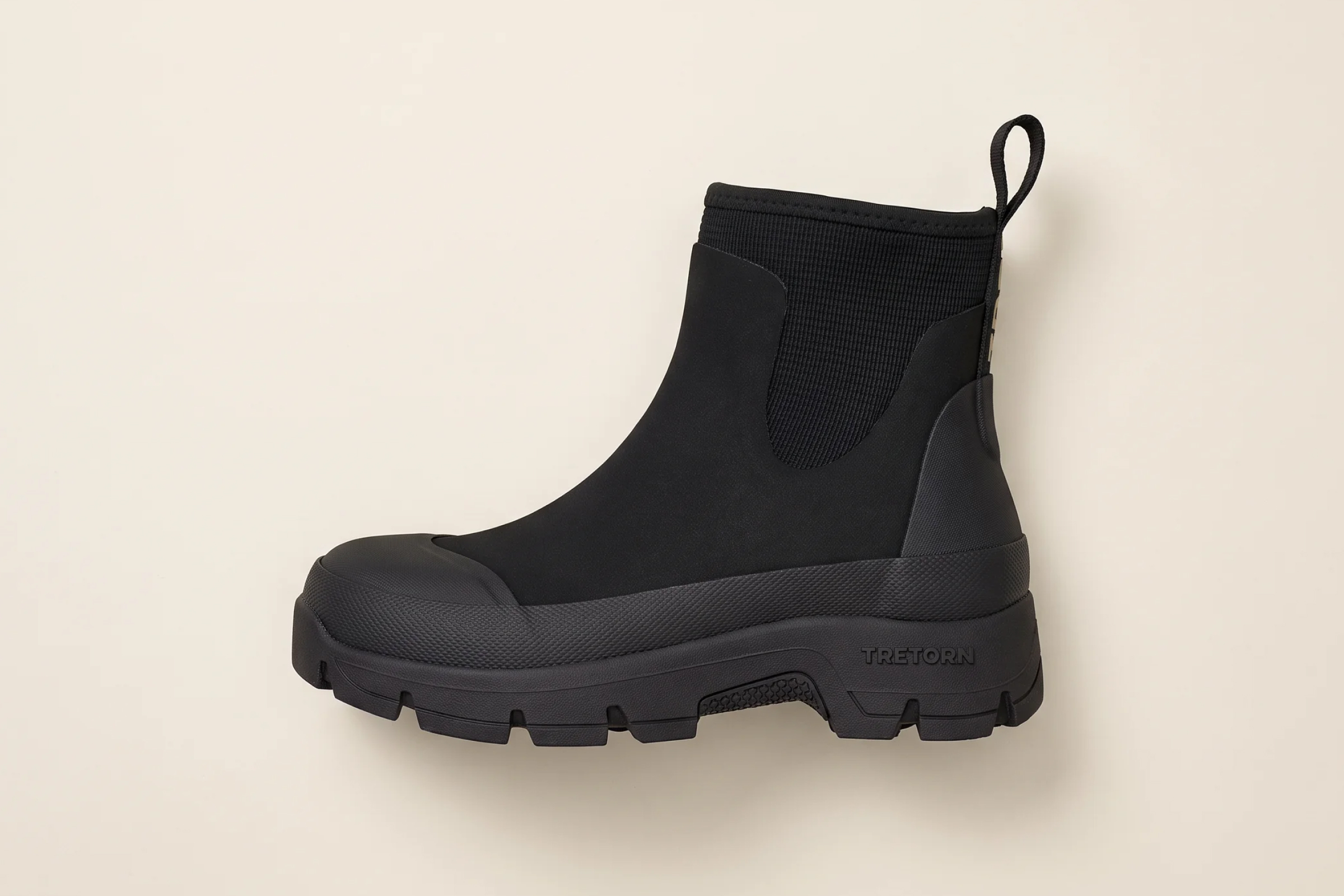
It's simply a studio-quality image of a shoe on a clean background,
and it shows the product clearly and consistently. Packshots have been the backbone of product pages for decades. But brands now launch hundreds of styles per season. So, the traditional packshot process is starting to crack.
Why Listen to Us
Fibbl has driven over 31 million end-user interactions. That is across 60+ footwear and bag brands, including Samsonite, Gant, and Tumi. The platform was built specifically for footwear from day one. So, no one has more real-world data on what makes immersive product content work at scale, including packshots.
What Is Footwear Packshot Photography?
Footwear packshot photography captures shoes in a controlled, consistent style. The word "packshot" comes from "packaging shot." It was originally used in advertising. The goal was to show a product exactly as it appears on a shelf, with no lifestyle elements, and distractions. Just the product in all its glory.
In footwear, a packshot typically features:
- A single shoe or pair on a white or neutral background.
- Consistent lighting to eliminate shadows and reveal texture.
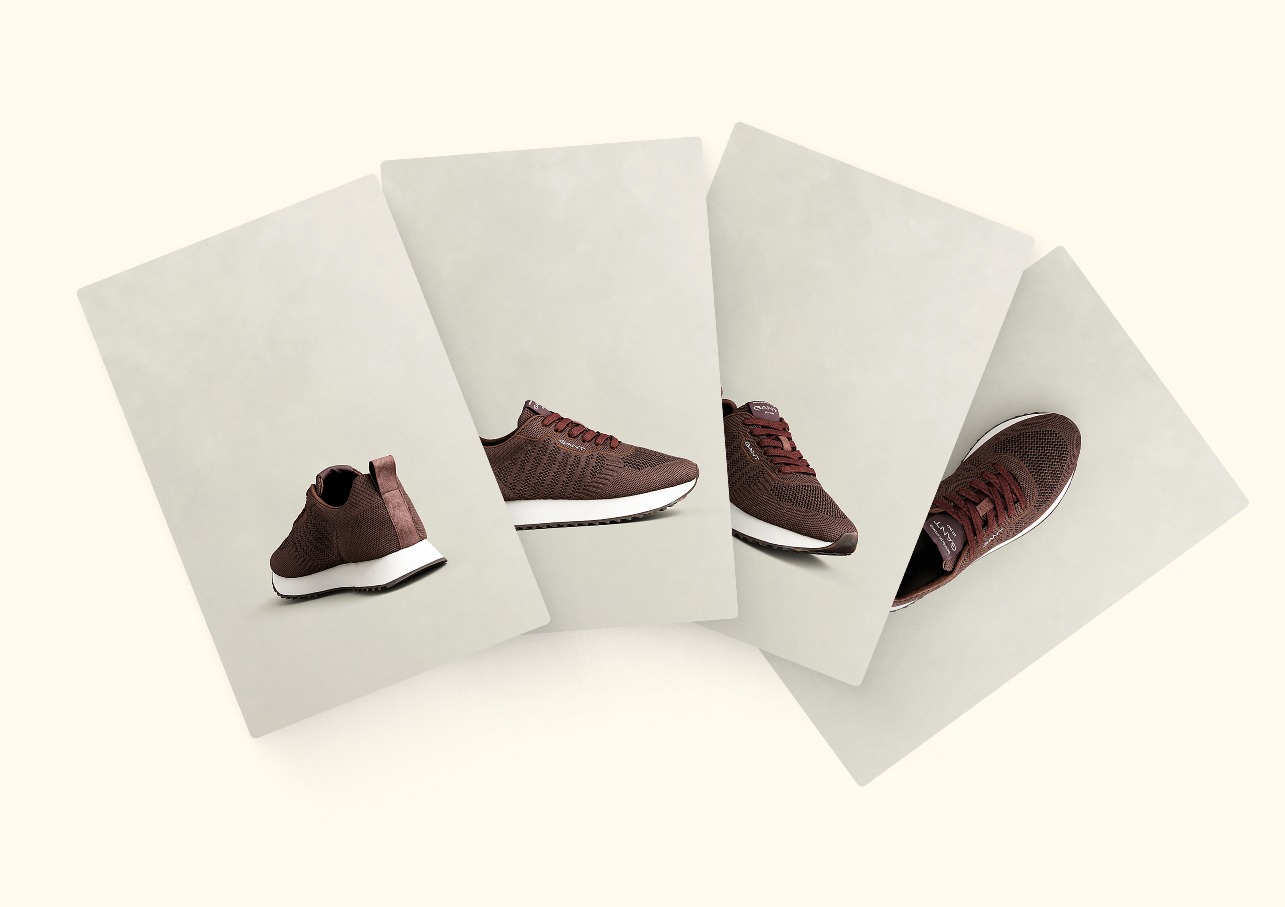
- Multiple angles: side profile, three-quarter, front, back, sole, top-down.
- Clean composition, as the product is the only focal point.
- Post-production retouching to correct colour and ensure uniformity.
The goal is simple. To give the online shopper the clearest view of what they are buying.
4 Benefits of Footwear Packshot Photography

Despite their limitations at scale, packshots deliver real value. They are the foundation of any footwear e-commerce 3D content strategy. Here is why brands still rely on them:
1. They Build Shopper Confidence
Online shoppers cannot touch or try on shoes. strong packshot set is the next best thing. It covers the side profile, front, back, sole, or three-quarter. Each angle answers a different question. What does the heel look like? How thick is the sole? What is the toe shape? The more angles a shopper can examine, the more confident they feel, and confident shoppers buy Whereas uncertain shoppers leave.
2. They Set Clear Product Expectations
Footwear returns are expensive. Most happen because the product did not match expectations. A well-executed packshot reduces that gap. Accurate color reproduction, sharp texture detail, and consistent scale give shoppers a realistic preview. When the product arrives and matches what they saw online, returns drop. That is a direct operational benefit, not just a content one.
3. They Meet Retailer and Platform Requirements
Retailers, marketplaces, and ad platforms have strict image requirements:
- White backgrounds.
- Minimum pixel dimensions.
- No watermarks.
- No lifestyle elements.
Packshots are designed to meet these standards. A brand without compliant packshots cannot list products on major retail channels.
4. They Create a Consistent Brand Presentation
Consistency builds trust. When every product in a catalog is photographed to the same standard with the same background, lighting, and angles, it creates a cohesive look. This consistency makes the brand appear professional and reliable.
Inconsistent imagery makes a brand look disorganized. Packshots, done well, give the full product range a unified visual identity.
The Traditional Packshot Photography Workflow
Traditional packshot photography follows a lengthy fixed process:
Step #1: Transportation
Physical samples arrive at a studio.
Step #2: Preparation
A stylist carefully prepares each shoe. They stuff it, clean the outsole, and position the laces.
Step #3: Capture
A photographer captures every required angle.
Step #4: Retouch
Images go to a retouching team. They handle background removal, color correction, and quality checks.
Step #5: Distribution
Finished files are then exported for each sales channel.
Bottlenecks of the Traditional Packshot Workflow
On the traditional packshot approach, a single SKU might take half a day. Whereas a collection of 200 styles can take weeks. That timeline also assumes samples arrive on time, and assumes studio availability. It also assumes retouching turnaround is fast. In practice, delays compound, product launches get pushed, and marketing timelines shift.
Back then, the cost logic made sense. Photography was a one-time seasonal investment. You shot the range, and used the images. That equation is broken now. Brands need content for e-commerce, paid social, retailer catalogs, and B2B. All at once. The traditional packshot workflow was not designed for that demand.
How Packshots Differ from Other Footwear Photography Styles
Not all footwear photography serves the same purpose. Knowing where packshots sit in your content mix helps clarify their value and their limits:
Photography Style |
Primary Use |
Key Strength |
Main Limitation |
Packshot |
E-commerce pages, retailer catalogues |
Clarity and product accuracy |
Static; costly to reshoot |
Lifestyle/Editorial |
Brand campaigns, social media, lookbooks |
Emotional storytelling |
Expensive; hard to scale consistently |
On-feet/Worn Product |
Social ads, influencer content, DTC pages |
Shows fit and scale in context |
Requires models; time-intensive |
360° Spin Photography |
Interactive product viewers |
Customer-controlled exploration |
High studio time; large files; still 2D |
3D/Virtual Packshot |
Ecommerce, marketing, B2B, AR |
Unlimited angles from one asset |
Requires scanning infrastructure |
Now, let’s differentiate footwear packshot photography from lifestyle photography, 360° photography, and 3D packshots:
Packshots vs. Lifestyle Photography

Lifestyle photography places the product in context. A runner on a trail, or a sneaker on a city street. It sells aspiration. Whereas packshots sell the product. Both matter, but they serve very different functions.
Lifestyle photography tells a brand story. While packshots communicate product truth, and drive purchase decisions on product detail pages.
Moreover, packshots carry the heavier SEO and conversion load. They are the images in Google Shopping. Packshots sit on product detail pages, in B2B catalogues, and in retailer portals. Retailers require them in standardized formats. You also need them for every SKU. But lifestyle shots are optional. You cannot launch a product without a packshot. But you can launch successfully without a lifestyle image.
Packshots vs. 360° Photography
360° spin photography captures a product at fixed intervals. Typically, 24 or 36 frames around a single axis. Shoppers can rotate the product on screen. It is more engaging than a static packshot. But it is still a 2D workflow. Every frame is a separate photograph. Files are large, and production time is high.
But if brand guidelines are updated, hen every spin set needs to be re-shot from scratch. You do not just update a setting. But you’ll have to book a studio, coordinate samples, and shoot again. For a catalogue of 300 products, that is a significant undertaking every time the brand evolves.
Packshots vs. 3D/Virtual Packshots

A 3D virtual packshot is rendered from a digital model. Once the 3D asset exists, you generate any angle, background, and lighting. So, there’s no camera, studio, and sample required at render time.
Traditional packshots create fixed, finite deliverables. Whereas 3D assets create an infinite content library from a single capture. That is the fundamental shift. We cover the full picture in the sections below:
5 Common Challenges with Traditional Footwear Packshot Photography
Packshot photography works at small volumes with stable products. Most footwear brands do not fit that description. Here are the five challenges pushing brands towards modern alternatives:
1. Scale Is the Core Problem
A brand launching 200 styles per season needs packshots for every SKU. At a typical studio pace, that means weeks of production time. It also means a high cost. Large brands with 1,000+ SKUs face an even harder bottleneck.
This is the most common tipping point. A brand runs a 3D proof-of-concept on 20 products. It works. They show it to leadership, and everyone is excited. Then they try to scale to their full catalogue. That is where the process breaks.
Hundreds or thousands of products in a short window, and traditional packshots cannot keep up. The studio cannot process them fast enough, retouching queue backs up, samples arrive late, and the launch is delayed. This repeats every single season.
2. Sample Availability Causes Launch Delays
Traditional packshots require physical samples. For brands manufacturing overseas, samples arrive late. Sometimes they arrive a few days before launch, or even after. When product pages go live with placeholder images, SEO, and first impressions suffer. Your marketing team cannot build campaign assets until the last possible moment.
3. Reshooting When Brand Guidelines Update
When a brand updates its visual identity, like new colors, lighting, or watermark, every existing packshot becomes outdated. But there’s no quick fix. So, each image must be reshot from scratch.
For a brand with thousands of live SKUs, this takes an entire quarter. Some brands simply skip the update. But their product pages slowly drift out of alignment with the brand identity. It is a problem that compounds season after season.
4. Material Complexity Kills Consistency
Footwear uses some of the hardest materials to photograph consistently. For instance, patent leather reflects studio lights. Mesh loses texture without precise settings. While rubber outsoles look muddy under the wrong setup. Also, metallic hardware creates harsh hotspots.
Getting consistent results across all these materials is hard, dut to different photographers’ studios, and multiple seasons. The inconsistency adds up, and it becomes a credibility problem for your brand.
5. Content Is a One-Time, Single-Channel Deliverable
A traditional packshot produces a fixed set of images. These images are shot at specific dimensions for a specific use case. When marketing needs that product at a different crop ratio for a different context, such as:
- A social ad.
- A B2B catalogue.
- A seasonal campaign.
Guess what? They cannot reuse the original packshot. So, they request a new shoot, or they crop and compress an existing image. Either way, quality suffers. Marketing teams waste hours recreating assets that should have been reusable from the start.
Virtual Packshot Photography: The Better Alternative To Traditional Packshots
Captivating virtual packshot photography uses 3D product models to generate photorealistic images. So, there’s no need for a camera, studio, or reshoots. The output looks identical to a traditional packshot, and the production economics are entirely different.
How Virtual Packshots Are Created
There are three major steps in creating virtual packshots:
Step #1: Modeling
First, designers create a 3D asset by scanning a physical shoe with specialized hardware.
Step #2: Texturing
Thereafter, the scanner captures geometry, surface texture, and material properties. For footwear, this is technically demanding. Shiny leather, woven mesh, rubber, and metal eyelets all need different capture settings.
Without material-specific optimization, 3D models look flat or plasticky. The color is off, and the texture does not hold. Any brand that has tried a generic 3D scanner on their product range has experienced this. The output does not represent the product accurately enough for e-commerce use.
Step #3: Rendering and Post Production
Once the model is created correctly, a rendering engine generates images. A virtual camera is positioned at any angle. Lighting is matched to brand standards, and the background is configured: white, gradient, color, or a full lifestyle scene.
The same model then generates a 2D packshot, a 360° spin set, and a video. All from a single file, with no additional shooting required.
Why Virtual Packshots Solve the Scale Problem
Traditional packshots cost time and money for every image. 3D workflows require a one-off time and money investment to create the asset. After that, you can generate images at near-zero marginal cost. A catalogue of 500 SKUs is no harder to serve than a catalogue of 50. The bottleneck is asset creation. When that process is industrialized, it scales reliably across seasonal collections. Volume does not degrade quality. It just requires the right infrastructure.
Brand Guideline Updates Take Hours, Not Months
When a brand updates its visual identity, virtual packshots respond fast. The 3D models already exist. A new rendering template is configured. New background, lighting, and framing. The entire catalogue is re-rendered.
So, there’s no reshoots, sample coordination, or waiting. Brands can also maintain visual consistency across thousands of live SKUs with minimal effort. That is not possible with traditional photography.
One Asset Powers All Channels
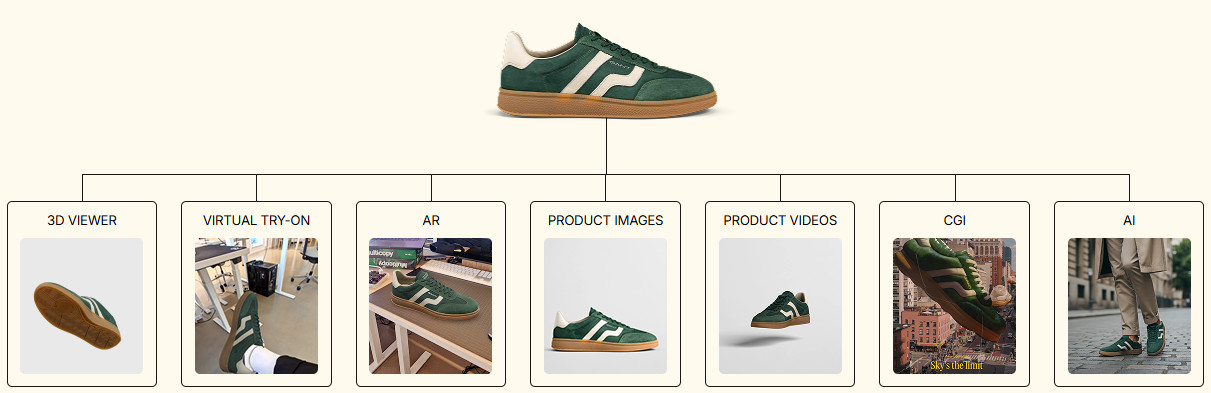
Virtual footwear packshot photography scales easily. The same 3D model that generates a white-background packshot can also produce:
- Lifestyle renders for paid social and digital campaigns.
- 360° spin sets for interactive product viewers.
- Video assets for dynamic product ads.
- AR experiences for virtual try-on.
- Immersive B2B showroom assets for retailer presentations.
- CGI imagery for any background, angle, or format requirement.
A traditional packshot is a finite deliverable. A 3D asset is a powerful, multi-purpose content engine. That distinction matters more with every channel you add.
Virtual Packshots and E-commerce Performance
The business case for virtual packshots is not just operational. It is commercial. Brands replacing static packshots with interactive 3D see measurable e-commerce gains. Fibbl's platform data shows up to an 80% increase in time spent on product pages. Time on page is not vanity. It correlates directly with purchase intent.
Conversion rate uplifts of 6.3% have been recorded when 3D replaces static imagery. For a footwear brand at meaningful volume, that improvement is transformative, and a return rate reduction of up to 29.4% directly protects margin. All of this in a category where returns are a serious cost pressure.
Is the DIY Footwear Packshot Photography Route Sustainable?
Many brands try to build this pipeline themselves. They buy a 3D scanner, hire a freelance 3D artist, and integrate an open-source viewer. Sadly, these approaches consistently fail for two reasons:
- The Capture Quality Challenge
Footwear materials are notoriously difficult to capture. Consumer-grade scanners cannot handle reflective leather or transparent mesh. Thus, the output is inconsistent. A single 3D artist models three or four products per week. That is too slow for any seasonal launch.
- The Scaling Challenge
The workflow that works for 20 products breaks at 200. Some brands then attempt to use 3D assets created in their DPC process. They try to convert the files to run on a web browser. But file compatibility issues make this extremely difficult without the right infrastructure.
Every DIY path leads to the same conclusion. The problem is not finding a tool, but it is building an end-to-end system that works at a production scale for footwear specifically. That requires purpose-built hardware and a material-optimized pipeline. Plus, a distribution layer that connects to every channel a brand needs.
Where Fibbl Fits In Footwear Packshot Photography Workflow

Fibbl was built to solve every problem outlined in this guide. Not just one. All of them. The existing market was fragmented. Some vendors offered scanning hardware with no distribution. Others offered distribution with no scalable creation. But Fibbl closed the full chain from capture to delivery.
Fibbl ARC: Capture Hardware Built for Footwear
The Fibbl ARC is proprietary scanning hardware. It was designed specifically for footwear and bag materials. Most 3D scanners are general-purpose tools. They struggle with the surface complexity of shoes. For instance, shiny leather creates specular highlights, mesh is semi-transparent, and metal eyelets produce harsh reflections. While laced uppers have irregular geometry.
Fibbl ARC uses material-optimized capture settings for each product type. Every shoe, from a shiny patent leather heel to a rugged rubber-soled boot, is captured with settings calibrated for its materials. The result is sub-millimeter accuracy and true-to-life color across all footwear material types.
If the 3D asset is not accurate at the source, no downstream technology can fix it. Fibbl starts with the highest quality possible. That foundation is what makes every downstream deliverable, from packshots to videos, or AR, that actually represents the product.
The Reconstruction Pipeline: Industrial Scale
After capture, Fibbl's pipeline converts scan data into deployment-ready 3D assets. The process is automated, and is not reliant on individual technician skill. A shiny leather Oxford and a knitted mesh runner go through the same workflow. Thus, quality is consistent because the process is systematic.
This is what enables Fibbl to serve brands at scale. The pipeline doesn’t slow down as volumes increase, or degrade when material types change, and SKU 1,000 gets the same quality as SKU 1. That consistency holds season after season, and collection after collection.
The Fibbl Platform: Distribution Across Every Channel
Once assets are created, the Fibbl Platform handles distribution. One integration and your packshots work across all digital channels and devices, like:
- E-commerce pages.
- Paid social.
- B2B portals.
- AR applications.
- Marketing tools.
All in all, the integration works across 200+ platforms. It is fast, lightweight, and requires no system maintenance from your technical team. Most brands underestimate this part of the problem. Creating a 3D asset is one challenge. Getting it to load correctly on every browser, device, and platform is another. File format issues, load speed, and rendering compatibility cause 3D projects to stall at the integration stage.
But Fibbl's platform is built to solve all of that by default. From a single 3D asset, Fibbl delivers a product viewer on your PDP. It offers a virtual try-on for mobile shoppers, dynamic imagery for paid campaigns, and a B2B showroom experience. All these assets are created simultaneously, all from the same source file.
Proven Results with Real Brands
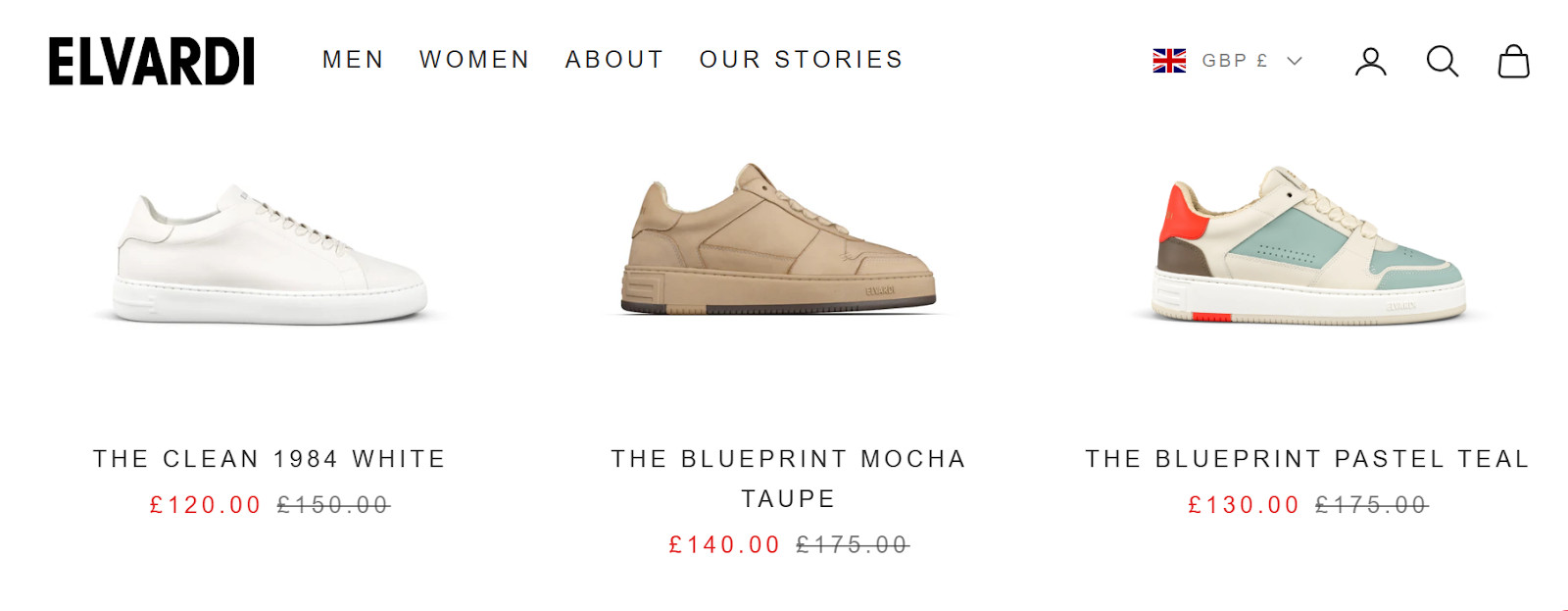
Fibbl works with leading brands across Europe and North America. The brands’ outcomes are tested and documented, not estimated:
- Gant used Fibbl's 3D models to produce packshots and videos faster and more cost-efficiently than traditional methods. They saved 50% in time and also saved 50% of their expenses while achieving a 6.3% conversion lift on 3D product pages.
- Zach Footwear reduced returns by 29% after implementing 3D product visualization. This direct margin improvement came from better online product representation.
- Samsonite integrated Fibbl's 3D experiences across e-commerce channels to lift product engagement and shopper confidence.
Platform brands collectively generated 31 million+ end-user interactions in the past year. This marks significant growth. Numbers also jumped from 160,000 monthly in January 2024 to 2.3 million+ by January 2025.
Why Fibbl Wins on Competitive Comparisons
The 3D and AR vendor market is fragmented, with hardware-only providers, distribution-only platforms, and virtual try-on point solutions. None of them solves the full chain. Buy scanning hardware? You still need distribution. Sign up for a VTO tool? You still need 3D assets to feed it.
But Fibbl integrates creation and distribution at scale specifically for footwear. It is the only vendor that does. While brands that try competitors often find themselves stitching together multiple tools. Each handoff creates quality loss, delays, or compatibility issues. But Fibbl removes all of those friction points.
It has never lost a competitive deal. The only path that beats Fibbl is building everything in-house. That path consistently fails at production scale.
Who Is Fibbl Built For?
Fibbl serves forward-thinking decision-makers at footwear and bag brands:
- E-commerce directors managing conversion.
- Digital marketing leaders who are responsible for content at scale.
- Commercial teams managing B2B partner experiences.
- Large SKU brands needing a scalable footwear packshot solution.
If your brand launches more than 50 SKUs per season and still relies solely on traditional packshots, you are leaving profits on the table. You are also spending money you do not need to spend.
The market for immersive 3D experiences in footwear is still maturing. Brands that are investing now are building a content advantage that is hard to close later. In fact, monthly platform interactions grew 14x in a single year. This shows that the window to be an early mover is real, and it is closing fast.
Move Beyond Static Footwear Packshots Before Your Competitors Do
Footwear packshots still matter. But they cannot carry your full e-commerce content strategy alone. The economics are wrong, scalability is broken, and the experience ceiling is too low.
But stunning virtual packshots are the answer. They shift the content production cost and scalability fundamentally. One 3D asset powers unlimited deliverables, and you can distribute consistent quality on every channel, season after season.
So, book a demo today to see firsthand how Fibbl 3D-first content can transform your e-commerce strategy.
FAQs About Footwear Packshot Photography
Let’s run through a few questions you may still have:
1. What is footwear packshot photography?
Footwear packshot photography captures shoes in a clean, controlled setting, typically against a white or neutral background. The output is consistent, accurate product images for e-commerce and retail use.
2. How is a packshot different from lifestyle photography?
Packshots show the product in isolation, with no distractions. The focus is on product accuracy. Lifestyle photography places the product in an aspirational context. Both are valuable. But packshots are the core deliverable for product pages and retail listings.
3. What are the main challenges with traditional packshot photography?
The main challenges are scale, cost, and inflexibility. Traditional packshots require physical samples, studio time, and retouching for every image. But if you want to update your visual identity, everything must be reshot. This workflow does not scale to hundreds or thousands of SKUs per season.
4. What is a virtual packshot?
A virtual packshot is a photorealistic image generated from a 3D model, not a camera. Once a 3D asset is created, images can be rendered at any angle, with any background or lighting. So, no additional studio work is required.
5. Can virtual packshots look as good as studio packshots?
Yes. When built with professional-grade hardware and a material-optimized pipeline. Gant, Samsonite, and Tumi all use Fibbl's 3D assets on live e-commerce channels, and the quality matches traditional studio photography.