Last updated 18 September 2026.
Fibbl ARC is a 3D scanner built for the materials of footwear, bags and related consumer products. It is operated by Fibbl inside an end-to-end pipeline that runs from the physical sample to the content a customer sees. That is the difference that matters, and it is the one this article is about.
A 3D asset on its own is not customer-facing content. To reach a shopper it has to be reconstructed, finished, hosted, rendered into packshots, embedded as a 3D viewer or try-on, cut into video and pushed to every channel. That chain is infrastructure. Scanner vendors deliver the asset and leave the chain to the brand. Fibbl delivers the content, and the brand spends nothing, in effort or money, on building the infrastructure behind it.
The closest alternatives are automated product scanners from ALLSIDES and Rigsters, followed by photography rigs, phone capture, CGI modelling and AI generation. Fibbl ARC differs from all of them on seven points:
- Quality is measured on the finished asset, not the raw scan.
- Every style in the range reaches the product page, including the materials scanners struggle with.
- Consistency comes from one pipeline, not from whoever operates the machine.
- Throughput is 40 products per station per shift.
- There is nothing to buy, install, rent or staff.
- The pipeline is built category by category, not as a general object scanner.
- The infrastructure from scan to customer already exists. Brands build none of it.
The article takes them in turn, puts them in one table, and says where the alternatives are the better fit.
Who this compares against
ALLSIDES (Brixen, Italy) builds two photometric scanners that use structured light rather than photogrammetry. The Cube handles rigid objects such as shoes and takes 9 to 14 minutes per object. The Sphere handles rigid and soft objects, including backpacks and footwear. Output is a high-resolution mesh with up to 8k PBR textures. Brands install a scanner on site, rent one for twelve months or more.
Rigsters (Copenhagen) builds Arago, a fully automated five-axis photogrammetry rig with cross-polarised LED lighting and an average capture cycle of around 15 minutes per object. Arago exports calibrated photo sets to RealityScan or other software for reconstruction. Rigsters also scans as a service. Its customers lean to games, VFX and cultural institutions.
Photography rigs from Orbitvu, Ortery, PhotoRobot and PackshotCreator capture structured photo sets on a turntable. The brand operates the rig and builds the model in separate software.
Phone capture, CGI modelling and AI generation cover the low-volume end. Polycam and the Shopify iPhone scanner build a model from a phone camera. CGI studios model the product from photographs. AI image-to-3D tools generate a model from a few photographs and guess whatever the camera did not see.
Fibbl ARC is proprietary capture hardware operated by Fibbl. Brands ship samples. Fibbl scans, reconstructs, finishes, checks and delivers the content.
1. Quality is measured on the finished asset, not the raw scan
Scanner specifications describe the capture: texture resolution, mesh density, relightability. They say nothing about what reaches the product page. Between the scan and the page sits post-production. Cleaning the mesh. Resolving the parts the scanner could not record. Matching colour to the physical sample. Reducing the file to something a phone will load.
With a scanner a brand owns or rents, that work is the brand’s. ALLSIDES is open about it: its technical specifications say highly reflective and transparent materials still require post-production, and it lists a tool to automate cleanup, such as removing paper stuffing from shoe scans, as upcoming. Rigsters’ Arago exports a photo set, and everything after that happens in software the brand runs.
Fibbl ARC’s capture feeds an automated reconstruction pipeline. A post-production team then reviews every asset against the physical sample: geometry, colour fidelity, material response. The brand receives the finished asset as optimised GLB and USDZ files, hosted and ready to use. The quality Fibbl is accountable for is the quality on the page.
2. Every style in the range reaches the product page
Footwear is the hardest consumer category to digitise. One season can contain suede, smooth and patent leather, technical mesh, rubber, canvas, metal hardware, clear soles, fur linings and sequins. Every capture technology has materials it cannot record directly. Transparent components and mirror-finish hardware defeat photogrammetry. Fur and highly reflective surfaces behave unpredictably under any rig. ALLSIDES calls these the final frontier and says they still need post-production.
Fibbl handles them in the pipeline rather than at capture. The scan records everything it can. The parts it cannot record are resolved in post-production before the asset is checked and delivered.
The practical result: a brand does not get a scanned range with gaps in it. To date, no style has been returned to a brand as out of scope because of its materials. A style is not excluded for one buckle or a clear heel, and the e-commerce team does not run two content processes, one for the shoes that scanned cleanly and one for the shoes that did not.
3. Consistency comes from one pipeline, not from the operator
Scanners control the light. They do not control who operates them, how post-production is done, or whether the same standard applies in March and in September. A brand that installs a scanner takes all of that on. A brand that uses a scanning partner inherits that partner’s process.
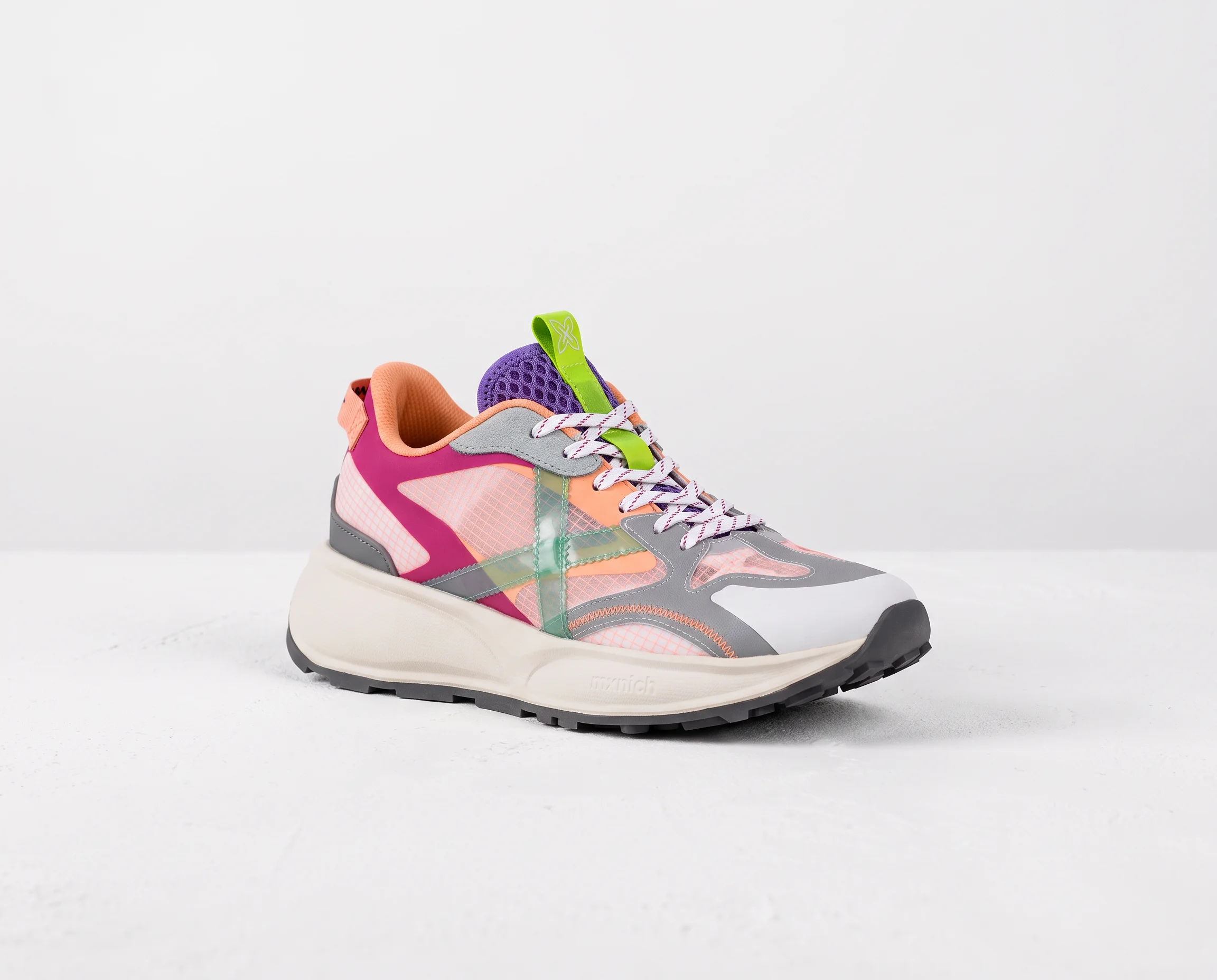
Every Fibbl asset goes through the same rig, the same controlled, cross-polarised lighting, the same reconstruction pipeline and the same review against the sample. That is what makes a 40-colourway range look like one range, and what lets this season’s scans sit next to last season’s without visible drift.
For a footwear brand, consistency across hundreds of products is quality. A perfect asset next to a slightly different one makes a worse product page than two consistent ones.
4. Throughput is 40 products per station per shift
Speed claims in this category are stated per object, and per object they are all fast. The comparison that matters is per catalogue.
On their own published figures, ALLSIDES’ Cube takes 9 to 14 minutes per object and Rigsters’ Arago averages around 15. Fibbl ARC has a capacity of 40 products per eight-hour shift per station, which is twelve minutes a product. Capacity scales by adding stations.. A product needed early can be finished, checked and delivered within 24 hours of capture.
On a real season this looked like GANT’s SS27 footwear category: 549 products, produced inside a sixteen-day window.
5. Nothing to buy, install, rent or staff
ALLSIDES installs its system at a brand’s location one to three months after order, or rents it for a minimum of twelve months. Rigsters sells a rig that needs a photogrammetry licence and a trained operator. Either way the brand acquires a capital asset, a workflow and a headcount, then scales them up for the weeks each season when samples arrive and down for the months when they do not.
With Fibbl a brand ships samples. No machine to buy, no software to learn, no operator to hire, no post-production seat to fill. Capacity is Fibbl’s problem, and it flexes with the season.
Where a brand wants capture in its own building, Fibbl can place an ARC station in the brand’s studio and the brand’s own team can run it. Reconstruction, post-production and quality control still go through Fibbl’s pipeline. The brand takes on the capture step and nothing after it.
6. Built category by category, not as a general object scanner
ALLSIDES positions its scanners for e-commerce, AI training datasets, robotics and retail simulation. Rigsters serves games, VFX, museums and brands. Both are general-purpose tools: place an object, press start, and the same process runs whether the object is a running shoe, a museum piece or a robotics training sample.
Fibbl takes on product categories one at a time. Footwear came first. Bags, luggage, headwear, gloves, power tools and accessories followed, each with capture settings tuned to its materials and post-production that knows what the product should look like. More categories will follow on the same terms.
Footwear is still the deepest. 300 to 500 high-resolution images per product depending on the shoe, and a team that knows what a welt, a last and a gum sole should be. A category is offered once the pipeline can deliver every product in it to the same standard. That is why the footwear side alone has produced more than 20,000 shoes.
7. The infrastructure from scan to customer already exists
Ask what actually stands between a 3D mesh and a customer, and the list is long. Hosting and delivery that loads on a phone. A 3D viewer embedded in the product page. AR and virtual try-on. A render engine for packshots at every angle, background and channel spec. Colourway variants. Product video for dynamic ads. Integrations with the e-commerce platform, the PIM and the ad platforms. A way to update all of it when the range changes.
That is infrastructure. A scanner vendor delivers the mesh and the brand builds or buys the rest, piece by piece, from different vendors, and maintains it. The scanner turns out to be the smallest part of the project.
With Fibbl, the brand builds none of it. The scan is the master asset, and the pipeline from that asset to customer-facing content already exists. Render Studio produces packshots at any angle, on any background, to any channel spec, with colourways handled digitally so one capture per silhouette per material covers the colour range. The same asset powers the 3D viewer, AR and virtual try-on on the product page, product video for Meta dynamic product ads, AI-generated lifestyle imagery grounded in the real product, and B2B sales tools. It is delivered through one integration. When a marketplace asks for a new angle next season, the shoe does not go back to the scanner, and nobody builds anything.
Does the capture method decide quality?
ALLSIDES markets against photogrammetry. Fibbl ARC is photogrammetry-based, with controlled, cross-polarised capture. So the question deserves a direct answer.
The capture method sets a ceiling on what can be recorded. The pipeline decides what reaches the product page. A photometric scan of a patent loafer with a clear heel still has a clear heel to resolve, and its texture still has to be matched to the sample, reduced for mobile and checked by someone. A brand comparing scanners should compare finished assets on its own hardest shoes, not capture methods on a spec sheet.
The differences in one table
|
ALLSIDES Cube and Sphere |
Rigsters Arago |
Fibbl ARC | |
|---|---|---|---|
|
What the brand receives |
Mesh and textures; post-production still needed for reflective and transparent parts |
Photo set for photogrammetry software |
Finished, checked GLB and USDZ, hosted, plus the content made from it |
|
Difficult footwear materials |
Post-production by brand or partner |
Post-production by brand |
Resolved in Fibbl’s pipeline |
|
Consistency across a range |
Depends on operator and post-production |
Depends on operator and post-production |
One rig, one pipeline, one review standard |
|
Published throughput per station |
9 to 14 minutes per object |
About 15 minutes per object |
40 products per eight-hour shift |
|
Commercial model |
Buy, rent for 12 months or more, or partner |
Buy the rig, or service |
Ship samples to Fibbl, or an ARC station in the brand’s studio run by the brand |
|
Category focus |
E-commerce, AI training, robotics, retail simulation |
Games, VFX, culture, brands |
Footwear, bags, luggage, headwear, gloves, power tools and accessories, one category at a time |
|
Infrastructure the brand must build to reach the customer |
Everything after the mesh: hosting, viewer, AR, rendering, video, integrations |
Reconstruction and everything after it |
None |
Photography rigs sit with Rigsters in this table: the brand receives photographs and builds everything after them. Phone capture, CGI modelling and AI generation deliver a model of varying fidelity and leave everything after it to the brand.
What the scale looks like in practice
Fibbl has scanned more than 20,000 shoes with this pipeline. The assets have recorded more than 72 million end-consumer interactions in interactive 3D, AR and virtual try-on between April 2024 and August 2026, across brands including GANT, Gola, Intersport and Joya.
GANT’s SS27 production, 549 products in sixteen days at a 50% saving in packshot time and cost against photography, is what throughput and a finished pipeline add up to on a real season.
Frequently asked questions
Is Fibbl ARC a scanner a brand can buy?
No. Fibbl ARC is Fibbl’s proprietary capture hardware and is not sold as equipment. Most brands send physical samples to Fibbl and receive finished, quality-checked 3D assets and the content produced from them. Brands that want capture on site can have an ARC station placed in their own studio and run by their own team, with reconstruction, post-production and quality control still running through Fibbl’s pipeline.
Do brands need to build their own pipeline to use 3D assets?
With a scanner, yes. A 3D asset only becomes customer-facing content through hosting, a 3D viewer, AR and try-on, rendering, video and integrations with the e-commerce and ad platforms, and a scanner vendor delivers none of that. With Fibbl the pipeline from scan to product page already exists, and brands spend nothing on building infrastructure.
What are the alternatives to ALLSIDES for footwear 3D scanning?
For a footwear brand, the alternatives to ALLSIDES fall into four groups. Fibbl operates its own ARC scanner inside an end-to-end pipeline and delivers finished, quality-checked assets and content. Rigsters’ Arago is an automated photogrammetry rig sold to brands and studios, with reconstruction in separate software. Photography rigs from Orbitvu, Ortery, PhotoRobot and PackshotCreator capture photo sets the brand reconstructs itself. Phone capture, CGI modelling and AI generation serve small volumes. The difference that matters most across a footwear range is who finishes the asset, who builds the infrastructure to use it, and whether every style reaches the product page.
How does Fibbl compare with ALLSIDES on quality?
Fibbl measures quality on the finished asset that reaches the product page, across every style in a range. ALLSIDES’ scanners publish strong capture specifications, and ALLSIDES states that highly reflective and transparent materials still require post-production. With Fibbl that post-production, and the check against the physical sample, are part of the delivered service for every product.
How does Fibbl compare with Rigsters?
Rigsters’ Arago is an automated photogrammetry rig that exports calibrated photo sets for reconstruction in separate software, with an average cycle of around 15 minutes per object. Fibbl ARC feeds an automated reconstruction and review pipeline, runs at up to 40 products per station per shift, and delivers finished assets and the content made from them.
Can Fibbl scan every type of shoe?
Fibbl’s pipeline is built so that every style in a range reaches the product page. Leather, patent leather, suede, nubuck, technical mesh, rubber, canvas, textiles and metal hardware are captured directly. Transparent and mirror-finish components, fur and highly reflective surfaces are resolved in post-production after capture rather than excluded.
How many products can Fibbl scan in a season?
One ARC station has a maximum capacity of 40 products in an eight-hour shift, and capacity scales with volume. GANT’s SS27 footwear category, 549 products, was produced within a sixteen-day window.
Does a brand need to scan every colourway?
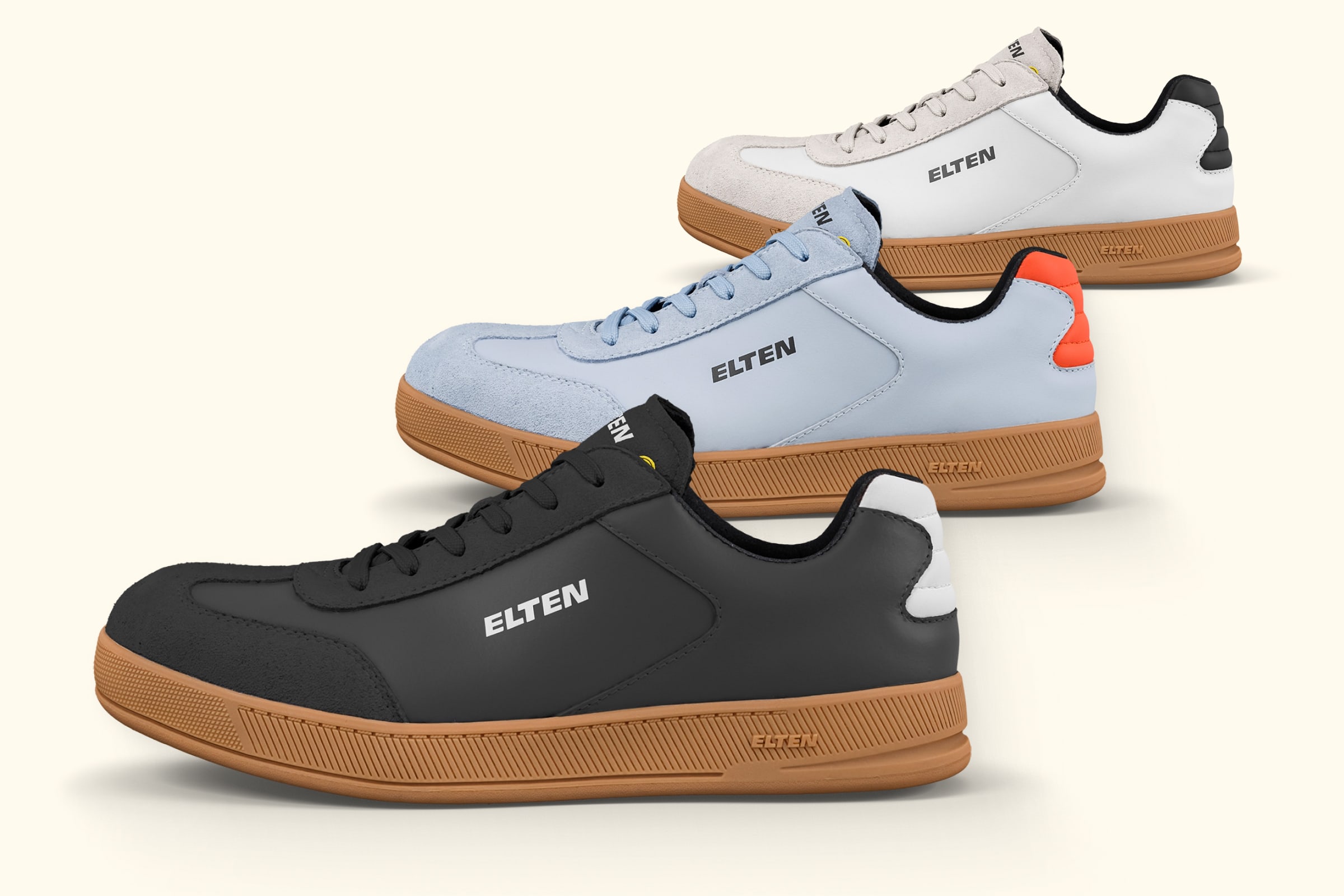
No. One capture per silhouette per material covers the range. Colour variants are produced digitally from the scan. Different materials on the same last require separate captures.
Compare finished assets, not spec sheets
Pick the five hardest shoes in your range, the patent ones, the ones with clear soles and chrome hardware, and send them to Fibbl. We will return finished assets and a rendered packshot set, and you can put them next to whatever else you are evaluating.