Quick Summary
AI product photography moved from experiment to infrastructure in 2026. Brands now generate packshots, lifestyle shots, and videos from a single source. The best results don't come from prompts alone. They come from 3D assets that keep every product accurate. This guide covers where the market stands, the seven trends shaping it, the challenges still to solve, and how leading footwear brands are already winning.
Why 2026 Marks a Turning Point for AI Product Photography
Product photography has always been one of the slowest steps in an e-commerce launch. A footwear brand releasing 200 styles in a season books a studio, ships samples, and shoots every colorway by hand. When a sample arrives late or changes, the shoot happens again. Weeks disappear before a single product goes live.
AI has changed that math. Brands now generate packshots, lifestyle images, and product videos from a 3D model of the product, in minutes rather than weeks. The cost gap is just as wide. A traditional footwear shoot runs $5,000 to $15,000, while an AI-generated image costs a few dollars.
That's why 2026 looks different from a few years ago. The tools are accurate enough for real product pages. Besides, the costs have dropped, and adoption has spread from a handful of global names to the wider market. This guide covers what changed, the seven trends shaping AI product photography this year, and how to prepare your team.
The State of AI Product Photography in 2026
AI is reshaping how e-commerce content gets made, and the market reflects it. The AI-in-ecommerce market was worth roughly $8.4 billion in 2023 and is projected to reach $45 billion by 2032. Content creation sits at the center of that shift, as brands push to produce more images faster, without booking a studio for every shoot.
Estimates vary by firm and definition, but the direction is unanimous. The market is expanding quickly, and imagery is a big part of why. Adoption is climbing fast. By early 2024, 65% of organizations were using generative AI regularly, nearly double the share from a year earlier, and the sharpest jump came in marketing and sales.
For product imagery specifically, most brands are still early, which means the real wave is yet to come. Marketing and sales rank among the fastest functions to adopt these tools, and product content sits right in that lane.
The economics explain the urgency. Studio shoots are slow and costly to run, and even more so to reshoot. Generating images from a 3D asset takes seconds and a fraction of the budget. Across a catalog of thousands of SKUs, that difference compounds into real money and real speed.
For a brand adding hundreds of SKUs a season, that isn't a marginal saving. It's a different operating model. Two things changed to make this practical. The models got good enough to hold fine detail, like stitching and material grain. 3D capture also matured, giving AI an accurate starting point instead of a guess. Together they moved AI photography from rough drafts to production-ready output.
Neither breakthrough alone was enough. It took both, arriving together, to make AI photography dependable at scale. One point matters from the start. Consumers want honesty. In one global survey, 67% said brands should disclose when a product image was made with AI. Transparency is part of the workflow now, not an afterthought.
Image Credits: Pexels
Why Ecommerce Teams Are Investing in AI Photography Workflows
The pull isn't only cost, though expense is real. Here's what actually moves teams to adopt:
- Speed: A traditional footwear shoot can run $5,000 to $15,000 and take weeks. Fibbl generates images in around 60 to 70 seconds. Season timelines are no longer the bottleneck they used to be.
- Scale: One 3D capture produces content for every SKU and every channel. Add a colorway, and there's no reshoot. See the full range of product content a single asset can feed.
- Consistency: Lighting, angle, and color stay identical across the catalog. Manual photography drifts between sessions and photographers. AI from a fixed source doesn't.
- Conversion and returns: Better product visuals sell more and lead to fewer returns. We'll get to the hard numbers later, but the direction is settled. For footwear, the cost math is especially stark.
- Content reuse: One capture also feeds B2B. Brands share immersive product content with retail partners instead of shipping physical samples, which cuts cost on both sides.
- Flexibility: When brand guidelines change, you restyle from the asset instead of reshooting the catalog. A rebrand stops being a photography project.
For a team shipping several drops a year, that flexibility is the difference between keeping up and falling behind.
Footwear Brands Going Hot with AI Product Photography
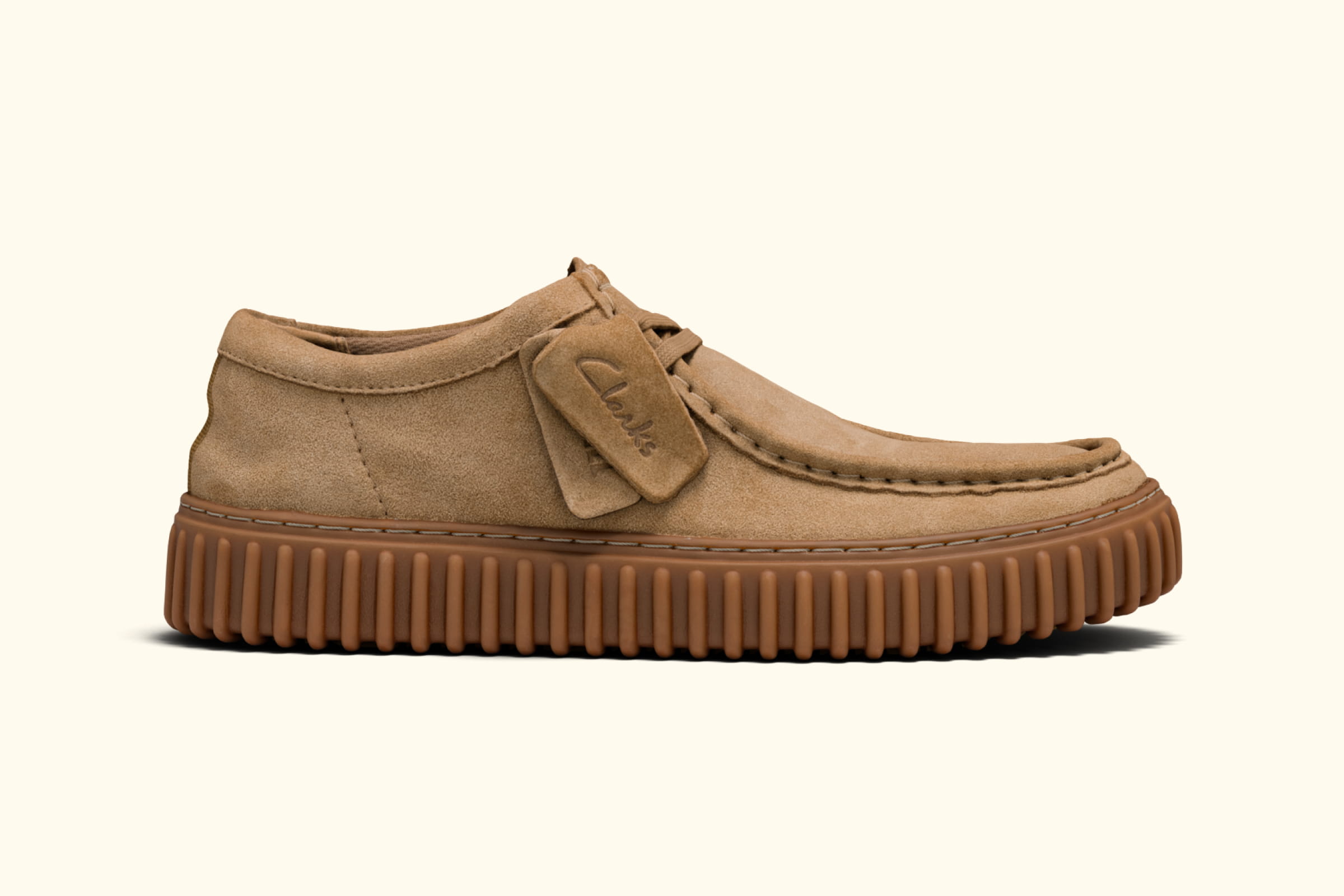
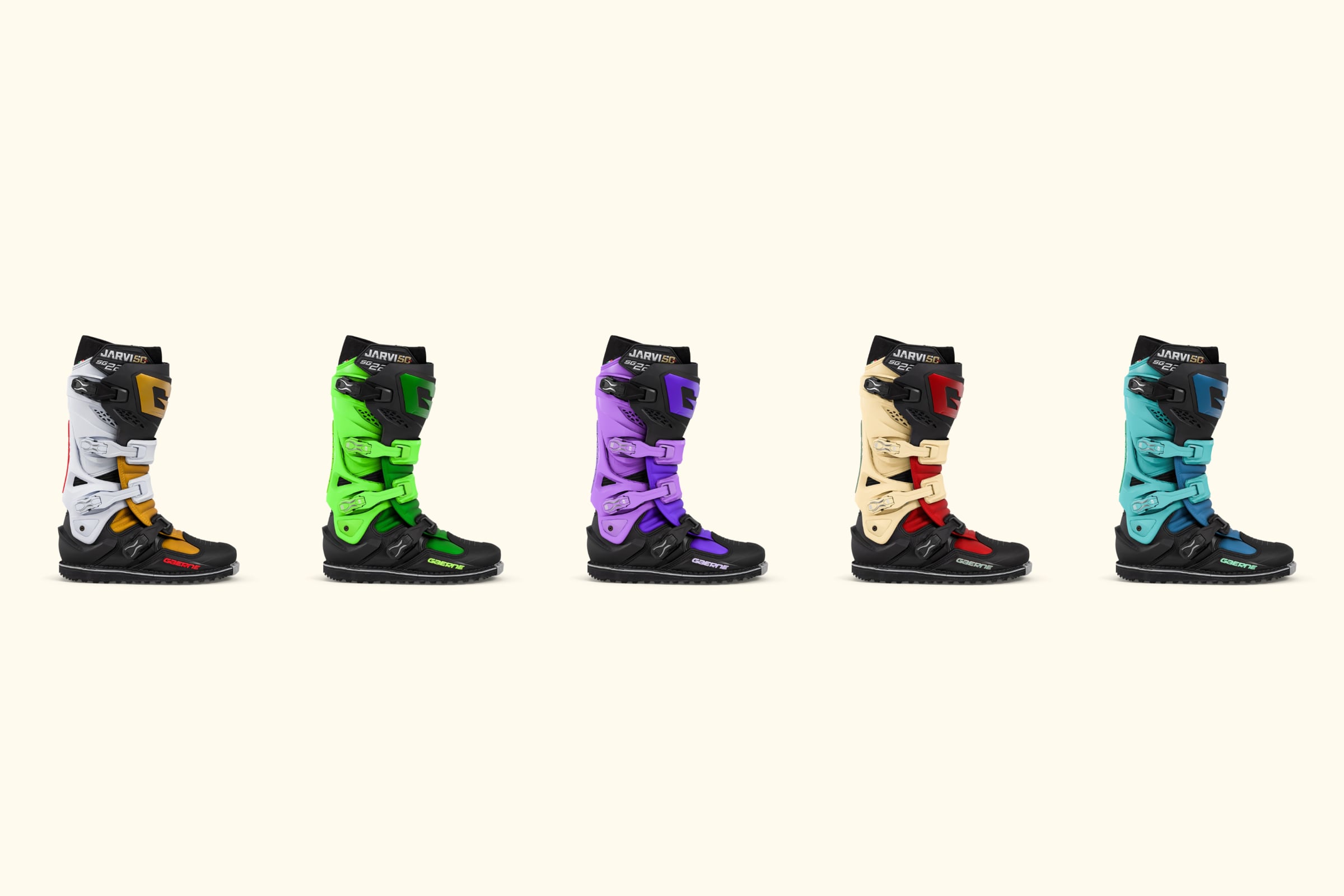
Footwear is leading this shift, and for good reason. Shoes are hard to shoot. Reflective leather, mesh, stitching, and dozens of colorways per style. That complexity is exactly where AI and 3D pay off.
Traditional footwear shoots are brutal at scale. Every colorway is a separate setup. Textured and reflective materials fight the camera. Samples arrive late and change often. AI plus 3D sidesteps all of it. One capture per style covers every colorway, angle, and scene. Bags are following the same path, for the same reasons.
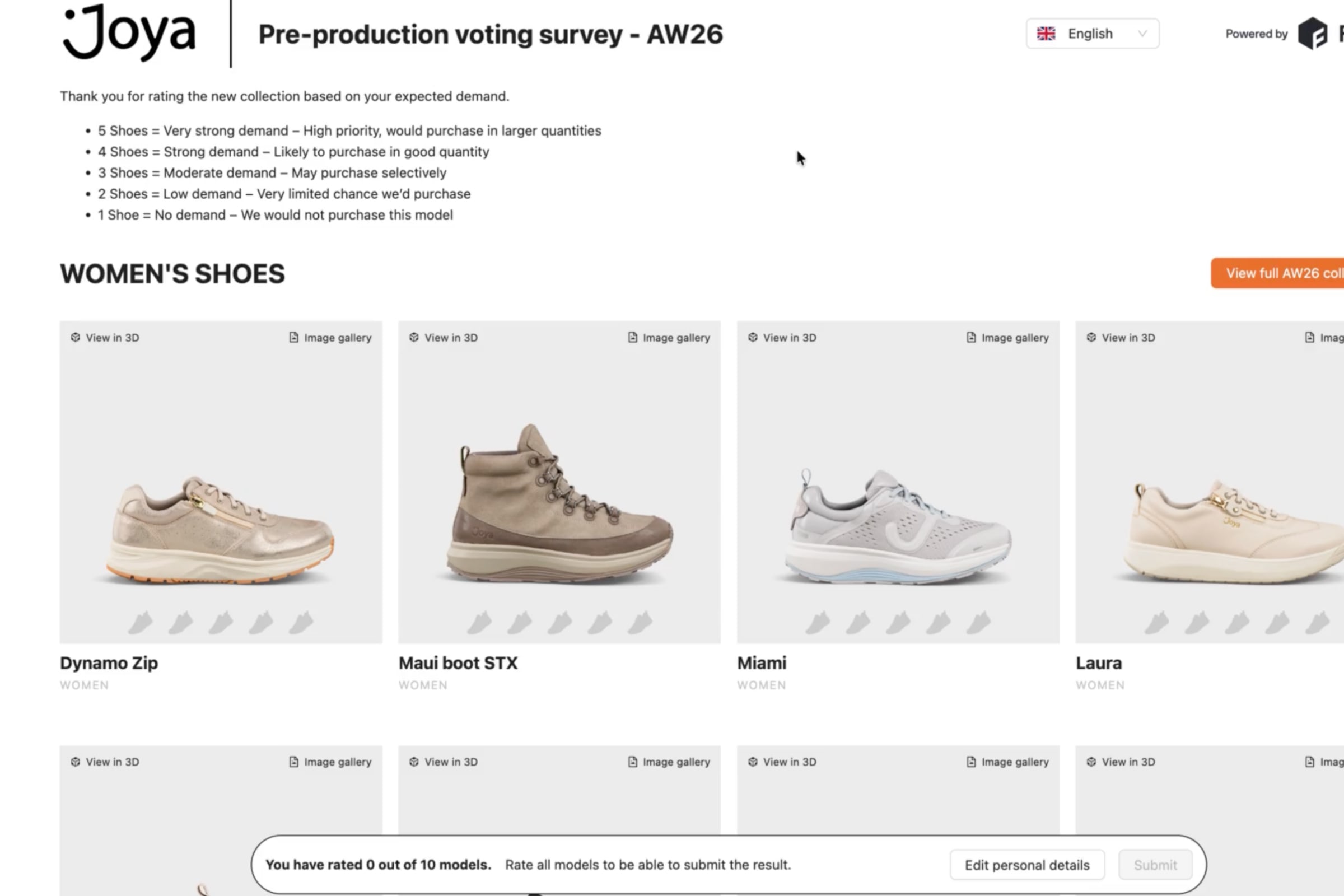
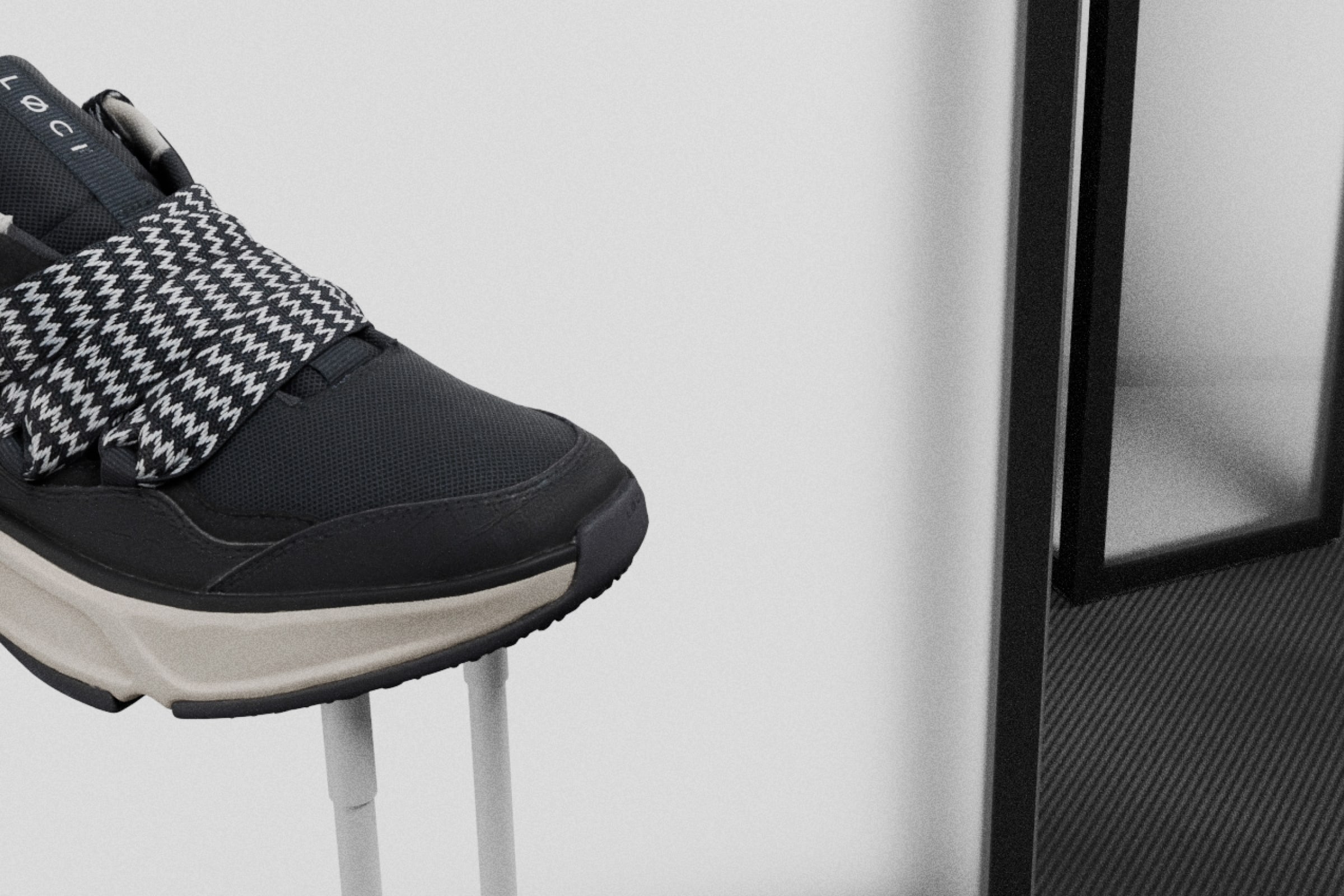
The pattern is consistent, and the harder a category is to shoot, the more it gains from an AI-and-3D workflow. The names already in motion tell the story. Fibbl works with Samsonite, GANT, Tumi, Elten, Joya, Løci, Nubikk, and Zach Footwear, among more than 60 footwear brands. Bigger players are moving too. Nike and ASOS have both leaned hard into AI-driven imagery.
What's notable is how fast the middle of the market followed. This used to be a big-brand experiment. Now mid-size footwear labels run AI imagery as standard practice. The barrier used to be budget and headcount. AI removed both.
We'll cover the results these brands are seeing later. For now, the point is simpler. This isn't early-adopter territory anymore. It's where the category is heading. See how AI is reshaping the footwear industry.
Image Credits: Pexels
7 AI Product Photography Trends Shaping Ecommerce in 2026
Here are 7 best AI-powered photography trends to try out for e-commerce in 2026:
1. 3D Assets Are Now the Foundation of AI Photography
Start here, because everything else builds on it. The best AI product images don't come from a text prompt alone. They come from a 3D asset, a digital twin of the actual product.
https://www.youtube.com/watch?v=s7kkKg2lg4M [Note for client: Need to embed this video on the page if possible]).
The difference is accuracy. A prompt-only tool guesses what your shoe looks like. It invents details, and drifts between images. A 3D-anchored workflow renders your real product every time, with true materials and geometry.
That's why prompt-only AI fails for e-commerce. Customers notice when the stitching is wrong or the sole curves oddly. A digital twin paired with AI keeps every generated image faithful to the product on the shelf. Think of it as the master file. Photography, video, AR, and try-on all pull from it. Instead of relying on chance, brands get consistent, accurate visuals across every channel. See how it works.
Here's the practical upshot: Fix the asset once, and all future images inherit that accuracy. The quality control happens at capture, not per render.
2. AI Human Models Go Mainstream
On-model imagery used to mean casting, booking, and a shoot day. AI changed that. Brands now place products on realistic AI-generated models, on-foot or on-body, without a single photographer.

The adoption curve is steep. Virtual models are moving from novelty to standard across fashion e-commerce. For footwear, that means on-foot lifestyle shots at scale, in any setting you like. It also sidesteps the messy parts of model shoots: availability, usage rights, and reshoots for every new range.
The catch is quality. A model image is only as good as the product on it. When the shoe is a 3D twin, the fit and finish stay right. But when it's a generic render, they don't. There's a cost angle too. On-model shoots are among the priciest to produce and the hardest to reshoot. AI models turn a fixed cost into a variable one you control.
3. AI Lifestyle Imagery Becomes the Default
Static white-background shots aren't enough anymore. Shoppers want to see products in context, such as on a city street, beside a pool, or in autumn light.
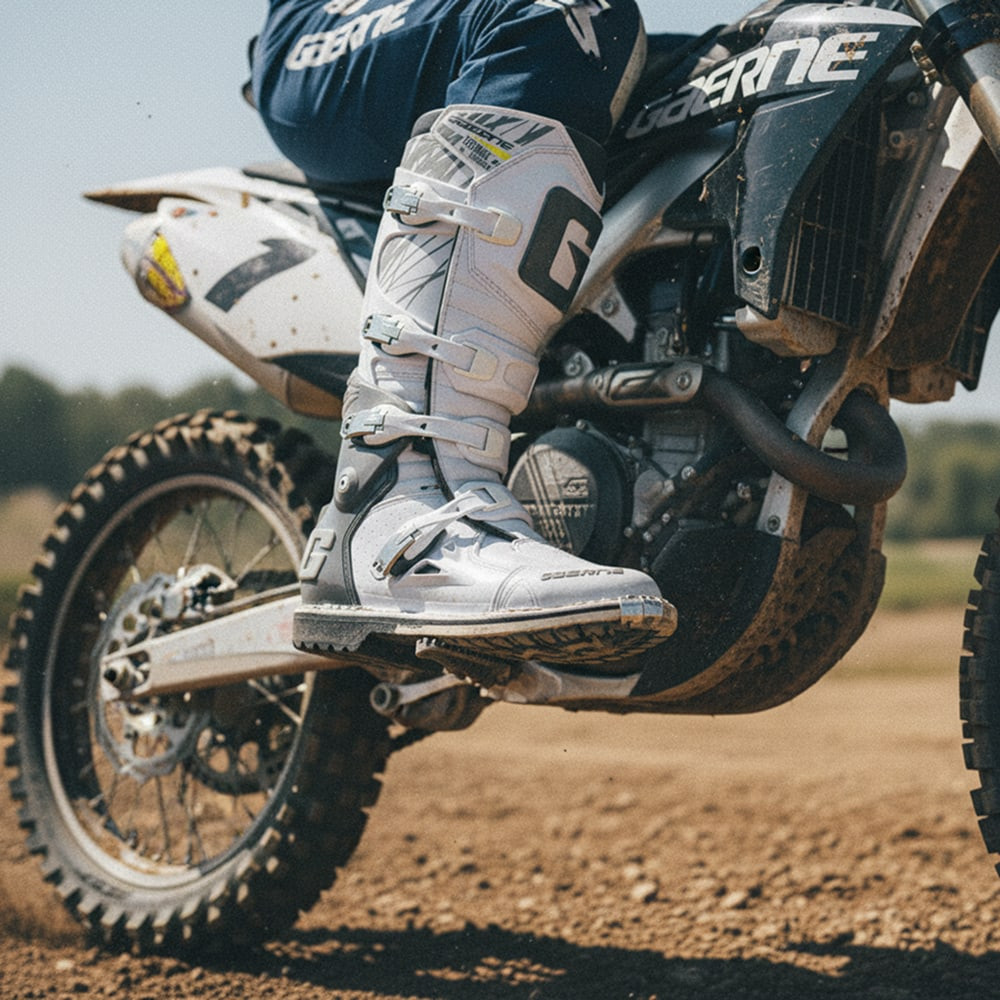
AI makes that context cheap and fast. A single 3D asset lets brands create lifestyle imagery in minutes. Place the product in any environment, season, or mood without organizing location shoots, traveling, or reshooting when a campaign changes. Updating seasonal campaigns becomes fast and cost-effective. The product stays the same, and only the backdrop changes.
This is becoming the standard for campaign and social content, not a nice-to-have. A brand can spin up a summer set and a winter set from the same asset in an afternoon. Explore how AI images work from a single prompt.
The value grows with every use. A single hero 3D asset can power a product launch, a sale campaign, and weeks of social content. Each visual feels custom-made, yet none requires a new photoshoot.
4. From Single Images to Content Variations at Scale
The era of one image per product is over. Modern e-commerce demands multiple versions of every product image. Brands need clean white-background shots for marketplaces like Amazon, styled lifestyle images for Instagram, and localized visuals for different regions. A single sneaker may require dozens of images across channels and markets. Today, variation isn’t the exception, and it’s the expectation.
https://www.youtube.com/watch?v=-efRVYz7oRA [Note for client: Need to embed this video on the page if possible])
AI turns that from a burden into a setting. Swap the background, change the format, and adjust the mood, and the product stays identical underneath. Localization stops meaning a new shoot. It means a new render. The same asset serves every market and every placement, and twenty images become as easy as one. This matters most for global brands. A shoe sold in Tokyo and Toronto can carry different styling, copy space, and seasonal cues, all from one source file.
5. AI Packshots Replace Traditional Studio Photography
Packshots were once the last stronghold of traditional studio photography. That’s no longer the case. AI-generated packshots can now deliver studio-quality results at a fraction of the cost, making high-quality product imagery faster, more scalable, and far more affordable.
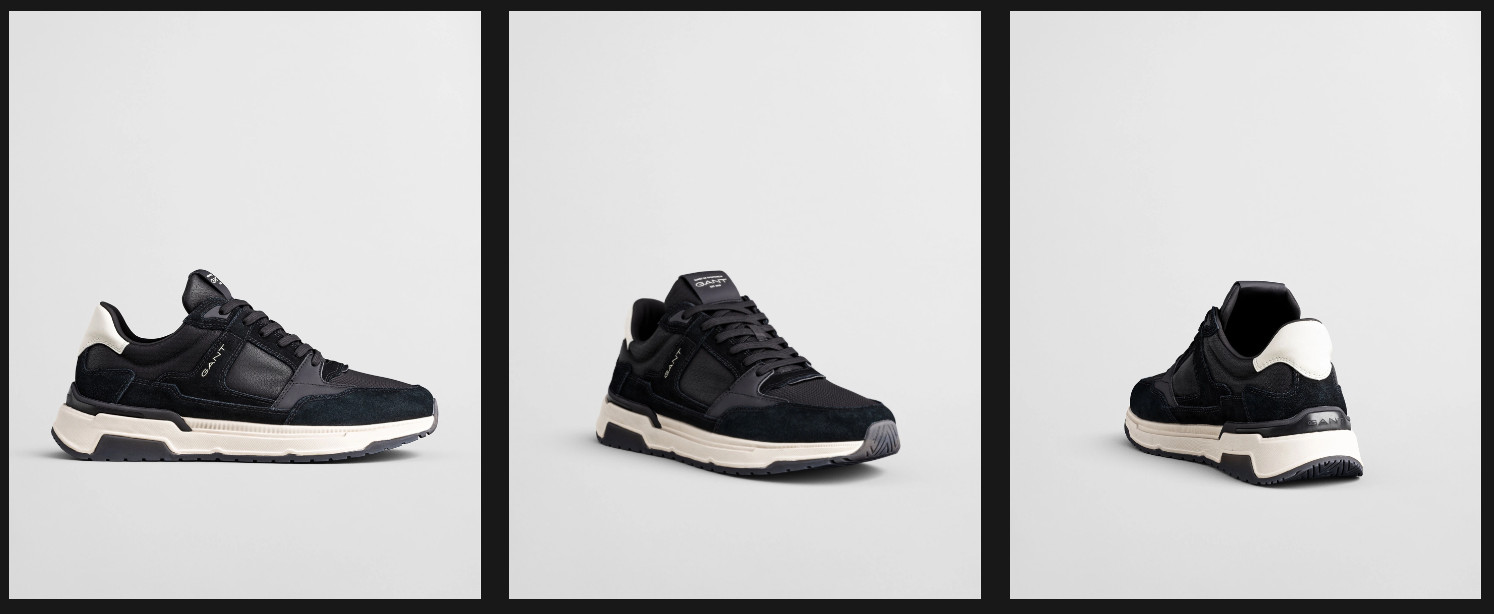
A single 3D asset can generate every product angle with consistent lighting and any required format on demand. If a design changes mid-season, you can update the asset and render new images in minutes. There’s no need to schedule another photoshoot for a revised outsole or a new lace color. You simply re-render instead of rebooking. Even the white-background packshots that power every product page can be created automatically.
For scaled catalogs, this is the clearest win, as it’s zero cost per image after the initial capture. Thousands of SKUs can be managed through a single, scalable workflow. See how Fibbl handles packshots. It also unblocks late changes. Design signs off a new midsole on Friday, and the full packshot set updates over the weekend. That used to be impossible on a season deadline.
6. Photo and Video Workflows Converge
Photo and video used to be separate projects. Separate crews, separate budgets, separate timelines. AI is collapsing them into one. The same 3D asset used to create a packshot can also generate product videos. Brands can produce dynamic videos for Meta ads, motion content for social media, and updated ad creatives without scheduling another shoot. A single asset turns static product images into engaging motion ads, giving brands a faster, more cost-effective way to create high-performing creative for paid social.
GANT demonstrates what's possible. Using existing 3D models, the brand generated 392 product videos from 196 SKUs through a single production pipeline. The same digital assets powered both images and video, supplying content for every channel.
Also, the impact goes beyond efficiency. When creating motion content becomes fast and affordable, brands can experiment more freely. They can test more creative concepts, messaging, and ad variations without the cost and delay of a new production for every campaign.
7. Beyond the Hero Shot: Annotated and Banner Imagery
The hero shot gets the attention. But a product page needs more, such as feature callouts, detail highlights, and banners for campaigns and category pages.
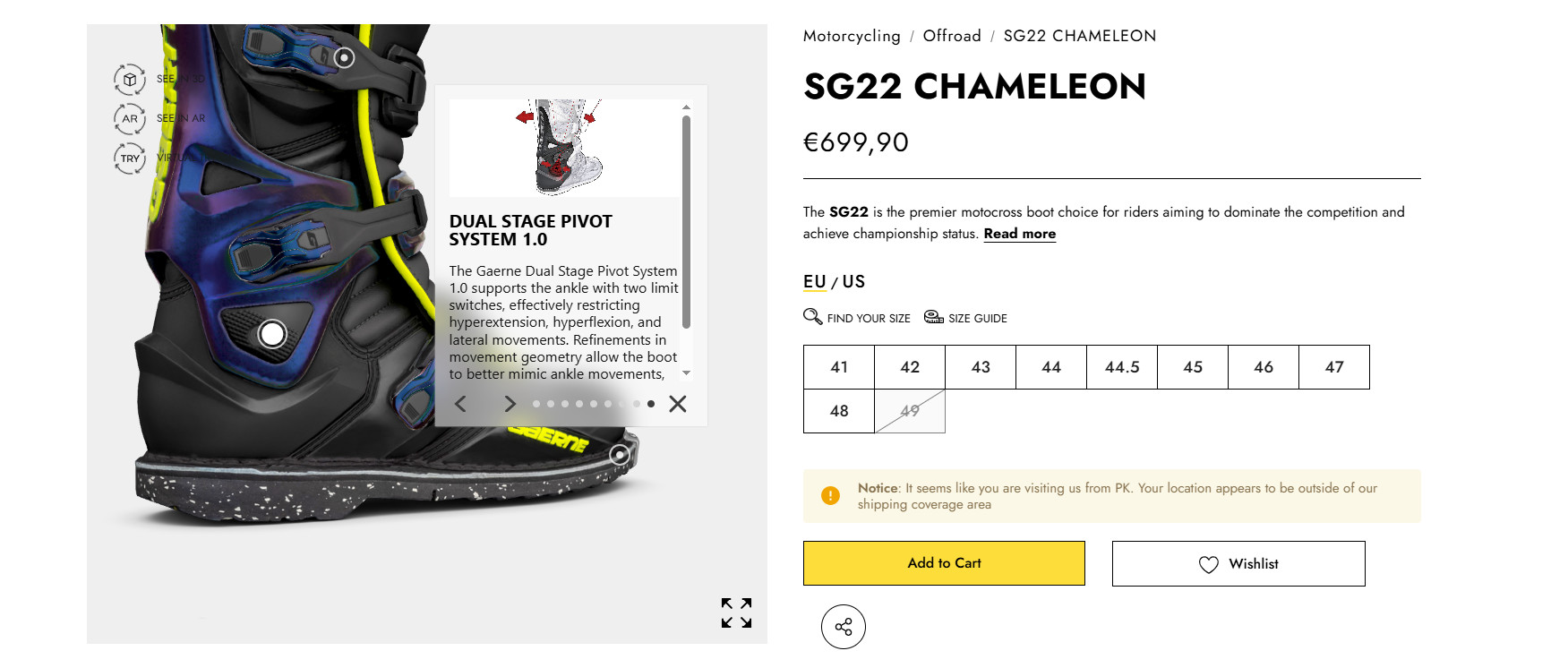
AI now handles these utility images too. Annotated imagery highlights materials, tech, and design details generated from the same 3D asset. For footwear brands, this means highlighting the features that influence buying decisions, such as cushioning, grip, or a waterproof membrane. The same 3D asset can also be resized and restyled for any placement, from a homepage hero banner to an email header, without creating new creative from scratch.
It's the unglamorous work that keeps a store running, and it's where a single-source workflow quietly saves the most time. Every supporting image comes from the asset you already have. These images rarely get planned for. They pile up as last-minute requests. A single-source workflow absorbs them, because the asset is already there to restyle.
AI Photography Challenges Ecommerce Brands Need to Solve
None of this is friction-free. The brands winning with AI photography are the ones solving these problems, not ignoring them.
- Product accuracy: The image has to match the real product exactly. Guesswork erodes trust and drives returns. This is where prompt-only tools fall short the most.
- Brand consistency: AI can drift. Colors shift, styling wanders across a batch. Without a fixed source and clear guidelines, output looks off-brand fast.
- Material and texture fidelity: Footwear lives and dies on materials. Patent leather, suede, knit. Get the texture wrong, and the whole image reads fake, no matter how good the scene is.
- Governance and approval: At scale, thousands of images need review. Teams need a workflow for sign-off, versioning, and usage rights, not a free-for-all.
- Disclosure. With most consumers expecting transparency about AI, brands need a clear stance. Say what's AI-made, and build that trust into the process rather than bolting it on later.
Notice the pattern. Nearly every challenge traces back to the source. Solve accuracy and consistency at the asset level, and the downstream problems shrink. That's the case for building in 3D.
How to Prepare Your Ecommerce Team for AI Product Photography
Getting ready for AI photography is less about tools and more about foundations. A few steps like the ones beneath put you ahead:
- Audit your content needs: Map every image type that each product requires, across every channel and market. You'll quickly see the volume the old model can't sustain.
- Build a 3D asset base: This is the real foundation. Accurate 3D twins of your products unlock every downstream output. Prompt-only shortcuts won't scale or stay accurate.
- Set brand and governance guardrails: Define your look, your approval flow, and your disclosure policy up front. Consistency comes from rules, not hope.
- Integrate into your workflow: Plug AI content into your PIM, e-commerce platform, and ad channels. The goal is for one source to feed everything automatically.
- Measure what matters: Track conversion, returns, and production cost. Let the numbers guide where you push next. If you're comparing options, here are the best AI tools for product photography.
None of this needs a moonshot. Start with one product line, and prove the workflow. Then scale it across the catalog once the numbers hold.
How Leading Brands Are Winning With AI Product Photography
Here's what AI product photography actually delivers, measured. GANT went 3D-first across 13 markets and 274 products. Conversion rose 6.3%, at 95% statistical significance. Then it produced 392 video assets from 196 SKUs for Meta Dynamic Product Ads. Click-through climbed 30.27%, and ROAS climbed 13.79%. That's one asset doing double duty, on product pages and in paid social.
Zach Footwear added 3D and virtual try-on to its product pages. Returns fell 29.4%. Misrepresentation almost disappeared as a reason for returning shoes. Fewer returns means margin straight back to the business.
Nubikk saw engagement jump. Time on product pages rose 80%. Purchases rose 52%. Click-through on its dynamic ads rose 12%. Shoppers who interact with rich content simply buy more.
Zoom out and the scale is the story. Fibbl has digitized more than 18,000 shoes and powered over 40 million product interactions in a year. Those outcomes don't come from one-off images. They come from AI-ready 3D content, produced at catalog scale.
That's the difference between a clever tool and a content engine. One makes a nice image. The other keeps an entire catalog stocked, on brand, and ready to sell. The thread through all three is the same. The content started with an accurate 3D asset, not a prompt guessing at a product. The results followed.
Conclusion
AI product photography isn't a trend to watch anymore. It's the workflow e-commerce is standardizing on. The market is growing, the costs have flipped, and the quality is finally there.
The brands pulling ahead share one habit. They built on 3D, not prompts. Accurate assets first, then everything downstream: packshots, lifestyle, video, and the utility images in between.
If you sell footwear or bags, the case is even clearer. Complex materials and deep catalogs are exactly what this approach was built for. This means faster launches, lower production costs, consistent visuals, and the flexibility to update content instantly as products evolve.
Fibbl brings this workflow together in one platform. From a single 3D asset, brands can create and distribute high-quality content across Shopify, marketplaces, social media, and retail partners. The result is faster time-to-market, higher engagement, fewer returns, and a content pipeline that scales with your catalog.
The best way to see it is to use it on your own products. Get a free product scan and judge the quality firsthand. Or book a demo to map out a full AI photography workflow for your catalog.