Rumpf has been shaping the world of dance for generations – a family-led company founded in 1965, built on craftsmanship, heritage, and a deep understanding of movement. For nearly six decades, the Rumpf family has created footwear that blends tradition with innovation, supporting dancers across jazz, ballet, folk, and contemporary styles all over the world.
But as more dancers shift their purchasing journeys online, one challenge has grown increasingly clear: how do you recreate the feeling of trying on a dance shoe through a screen?
Bringing the in-store feeling online
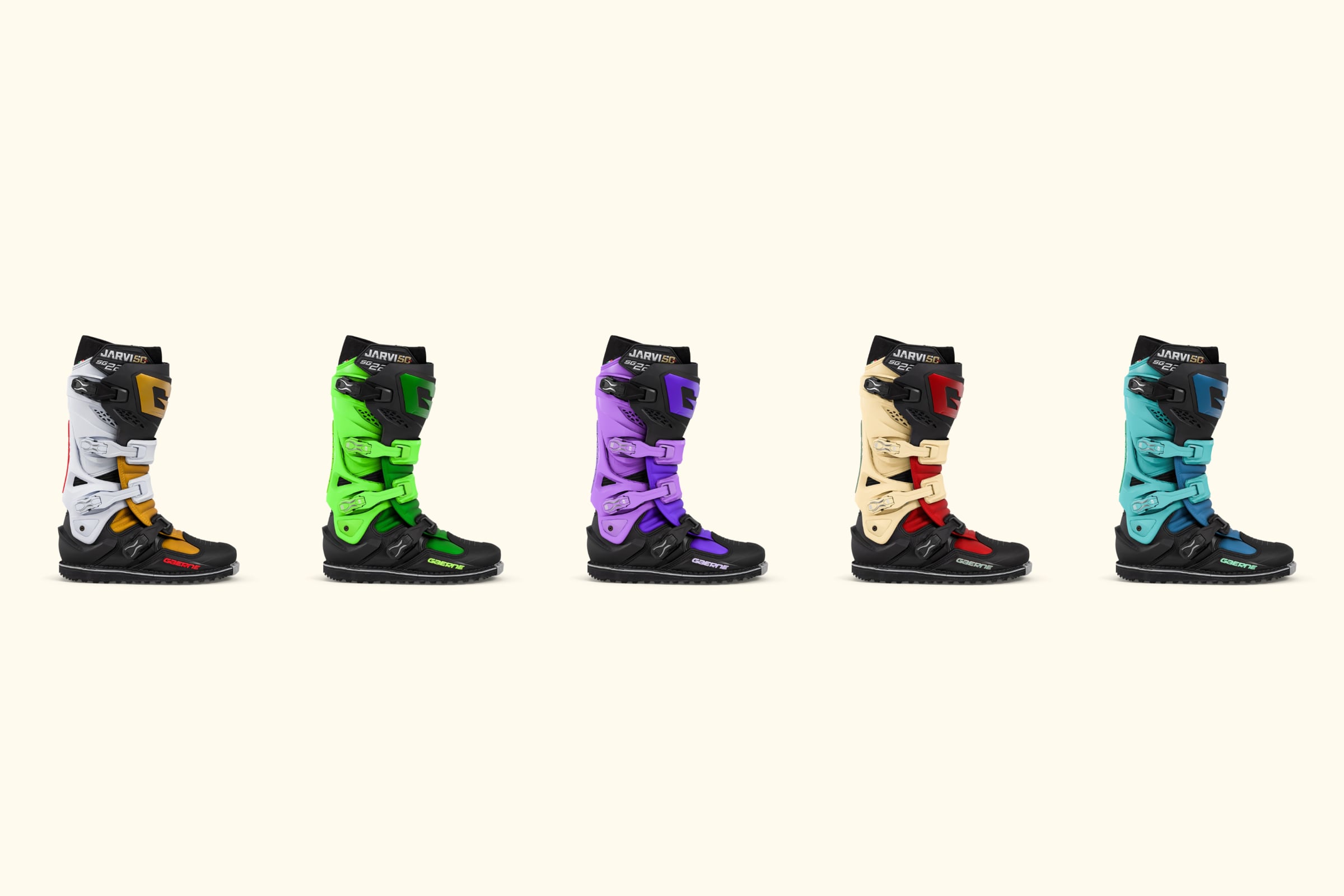
To meet this challenge, Rumpf made a strategic decision: they implemented 3D and Virtual Try-On across their entire digital touchpoint ecosystem — homepage, category pages, and product detail pages. Products was enriched with annotations to help dancers understand the details that matter most:
- Flexibility and midsole rebound
- Toe-box architecture and forefoot support
- Sole grip and articulation
- Heel stability for precise footwork
- Material breathability and comfort
Instead of static photos, dancers could rotate, zoom, try on, and explore the shoe as if holding it in their hands.

But the big question remained: Was it actually helping them choose more confidently?
Rumpf didn’t want to assume – they wanted insight grounded in data.
Turning to the dancers
To understand the real impact, Rumpf invited their customers to evaluate the new 3D and Virtual Try-On experience, asking how these tools shaped their product understanding, confidence, and purchase intent via a survey.
The survey was sent through email to all customers who subscribed to their newsletter. Questions asked were:
- Have you already tried the new 3D view on our product page? (Yes/No)
- How appealing do you find the 3D view of our dance shoes? (Scale 0 to 10)
- How helpful is the 3D view for your purchasing decision? (Scale 0 to 10)
- Have you tried the virtual try-on with your smartphone camera? (Yes/No)
- How well did the virtual try-on work for you? (Scale 0 to 10)
- Would you be more likely to order a dance shoe online because of the virtual try-on? (Yes/No)
- What did you particularly like about the new feature? (Open-ended responses)
- What could we improve? (Open-ended responses)
- What additional features would you like to see? (Open-ended responses)
“Every feature in our shop is meant to provide real value and support the customer’s purchase decision. Put simply, if a feature generates costs but doesn’t positively influence sales, we need to reconsider it. That’s why it’s essential for us to understand whether customers benefit from it—and whether it actually impacts their decision-making,” comments Max Rumpf, Head of E-commerce at Rumpf, on why they conducted this survey.
The results
With over forty responses, the results were clear.
- A majority (56%) of the customers scored 7 or higher on the question “How helpful is the 3D view for your purchasing decision?”. The average rating between all customers was 6.1, whereas 11.1% didn’t consider it helpful at all.
- Virtual Try-On clearly divided opinions. On the question “How well did the virtual try-on work for you?”, the average rating was 4.8 out of 10. With that said, 44.8% said they would be more likely to order a dance shoe online because of the virtual try-on.
- The open-ended comments echoed the results. Customers praised 3D for making products “easier to understand,” “more realistic,” and “clearer than photos.” Feedback on VTO was more divided: some called it “helpful” and “fun,” while others mentioned limitations like “fit accuracy” or “lighting differences.”
“I was genuinely surprised by how many customers reported that 3D and Virtual Try-On had a positive influence on their purchase decision. Our target group tends to be slightly older, so I didn’t expect the feedback to be so strong and so positive in such a short amount of time,” says Max Rumpf.
Summary
The survey gave Rumpf something invaluable: clear, customer-backed evidence of how immersive product experiences shape decision-making. The results confirmed that 3D consistently helps dancers understand fit, shape, and materials better than traditional images – a meaningful advantage in a category built on precision and feel. At the same time, the mixed reactions to Virtual Try-On highlighted where the experience can evolve, offering insight into what dancers expect and where the technology can improve.
Together, these findings give Rumpf a concrete, data-driven foundation for how to refine their digital experience going forward – from strengthening product pages to exploring new ways of guiding customers toward the right shoe with confidence.