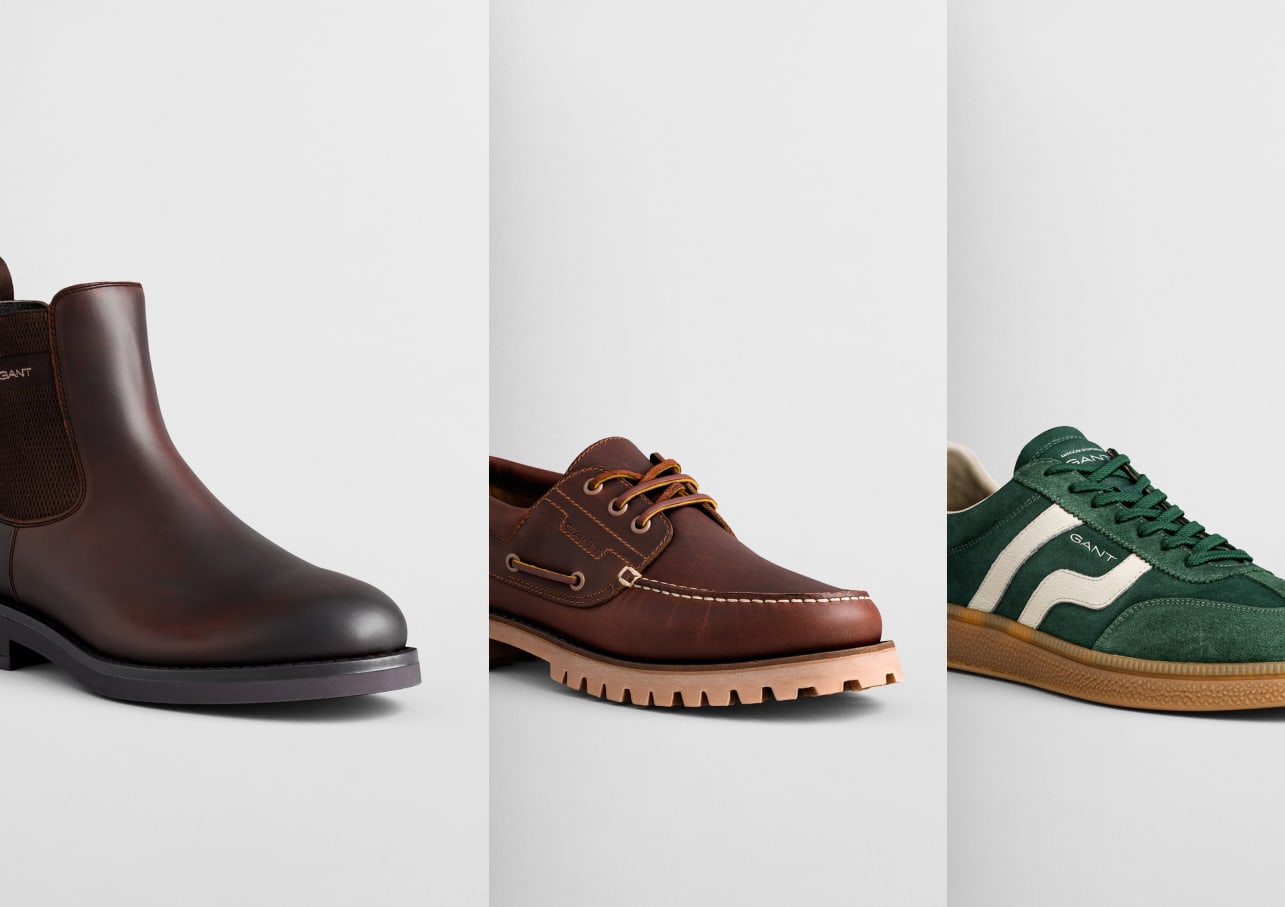
These days, product visuals are no longer just eye candy. They are vital aesthetic assets that drive sales performance. But for footwear brands, traditional product photography often comes with high costs and limited scalability. However, a Virtual Try-On platform like Fibbl offers 3D and AI content alternative, enabling brands to lower production costs, improve ROI, and create richer customer experiences. This guide breaks down:
- Average product photography cost per SKU.
- Cost multipliers for footwear.
- Hidden costs of traditional photography.
- Why traditional photography does not scale.
- How Fibbl replaces traditional photography with 3D content and AI images.
- Real brand examples.
Average Product Photography Cost per SKU (and Why These Numbers Matter)
The cost of professional product photography varies widely based on scope, complexity, style, and where the shoot is executed. Here’s a typical industry breakdown:
Standard E-commerce Shots (White Background)
- Per image: ~$20–$75
- Per SKU: $75–$200 (front, back, side)
✔ Clean, consistent photos for listings and catalogs.
✖ No environmental context or engagement factor.
Lifestyle Photography
- Per final image: $100–$500+
- Half-day/full-day shoots: $600–$3,000+
✔ Shows products in use, which aregreat for ads and social.
✖ Requires models, stylists, location, and time, pushing cost higher.
360° Rotational Photography
- Per SKU: $150–$1,000+
✔ Offers interactive spin views.
✖ A single SKU with many angles quickly adds to total costs.
Social & Creative Content
- Variable ($500–$10,000+, depending on creative and production.
✔ Best for campaigns.
✖ Often not reused across platforms or product pages.
These are base costs. They don’t yet include seasonal variants, colorways, multiple sizes, props, or models. Multiply these across 100+ SKUs, and the costs will skyrocket.
Cost Multipliers for Footwear Brands
Footwear photography has many intricacies. Shoes, sneakers, and boots have their own set of challenges, which add to the base costs, such as the following:
- Multiple Angles Needed: Footwear shoppers want every perspective (inside/outside, sole, hardware detail). Thus, you often need 5–10 shots per SKU.
- Texture & Material Detail: Leather grains, mesh, and contour lines require precise lighting and retouching.
- Colorway Variations: Some brandsmight release the same model in 10+ variations, each often requiring a full shoot.
- Lifestyle Context: Shoes often need worn looks (models, settings) to communicate fit and style accurately.
Each of these factors multiplies costs significantly. In the end, you often double or triple what you’d expect to spend on simpler products.
Hidden Costs (Often Overlooked)
Even after securing a “per image” quote, many e-commerce teams overspend due to additional hidden costs, such as:
Reshoots & Revisions
- Marketing decisions, seasonal tweaks, or new angles often lead to reshoots, which can cost 25–50% of the original shoot budget every time.
Rush Delivery Fees
Needing content faster than usual can add 25–50% more.
Model Fees + Location Expenses
Models, props, and location rentals quickly add thousands, especially for seasonal campaigns.
Usage/Broad Licensing
Extended usage rights for ads, print, or global markets may add 10–100% extra, depending on the licensing terms.
Why Traditional Photography Does Not Scale
Traditional photography may work well for small catalogs. But footwear brands today need flexibility, cost-efficiency, and scalability. Many of them overpay for traditional photos, especially when used repeatedly across platforms like social media, marketplaces, ads, and product pages.Here’s where traditional photography falls short:
Manual and Linear Workflow
Each new product version requires a new shoot with no reuse, and no variation automation.
Time-Intensive
Scheduling photographers, models, studios, and editing takes weeks to months per season.
Rising Costs
As brands expand, every additional SKU multiplies the visual production budget.
How Fibbl Replaces Traditional Photography With 3D Content and AI Images
Smart modern platforms like Fibbl are changing how footwear brands create visuals. They’re replacing expensive, slow, and rigid photo workflows with dynamic 3D, AR, and AI-generated content that has greater ROI impact.
What Fibbl Offers
- 3D Product Models: Lifelike 3D meshes are used instead of static shots, and custom 3D scanning captures very accurate shapes and realistic colors.
- AR Try-On and View-in-Space: Enables customers to try products virtually.
- AI-Driven Image Generation: Automatically create lifestyle and variant images.
- Reusable Content: 3D models power:
✓ Product pages.
✓ Listings.
✓ Ads and video.
✓ Email campaigns.
✓ AR experiences.
✓ Social media campaigns.
- Plug-and-Play Integration: This requires minimal engineering, and works across e-commerce, marketing, social media, and B2B platforms.
Our platform empowers brands to reduce dependency on costly photoshoots and centralize product content creation. One invaluable 3D asset per SKU generates multiple deliverables for your brand, maximizing ROI per content piece. The platform has a pipeline built to manage thousands of products at scale.
Real-World Results: Why This Matters
Augmented reality (AR) photography isn’t just gimmicks. It’s a game-changer that’s producing real results in the real world.
Brands using Fibbl’s3D viewer and AR have seen:
- Increased conversions.
- Higher time-on-site.
- Reduced returns.
- Reusability across campaigns.
All of this is achieved from one asset instead of a thousand photos.
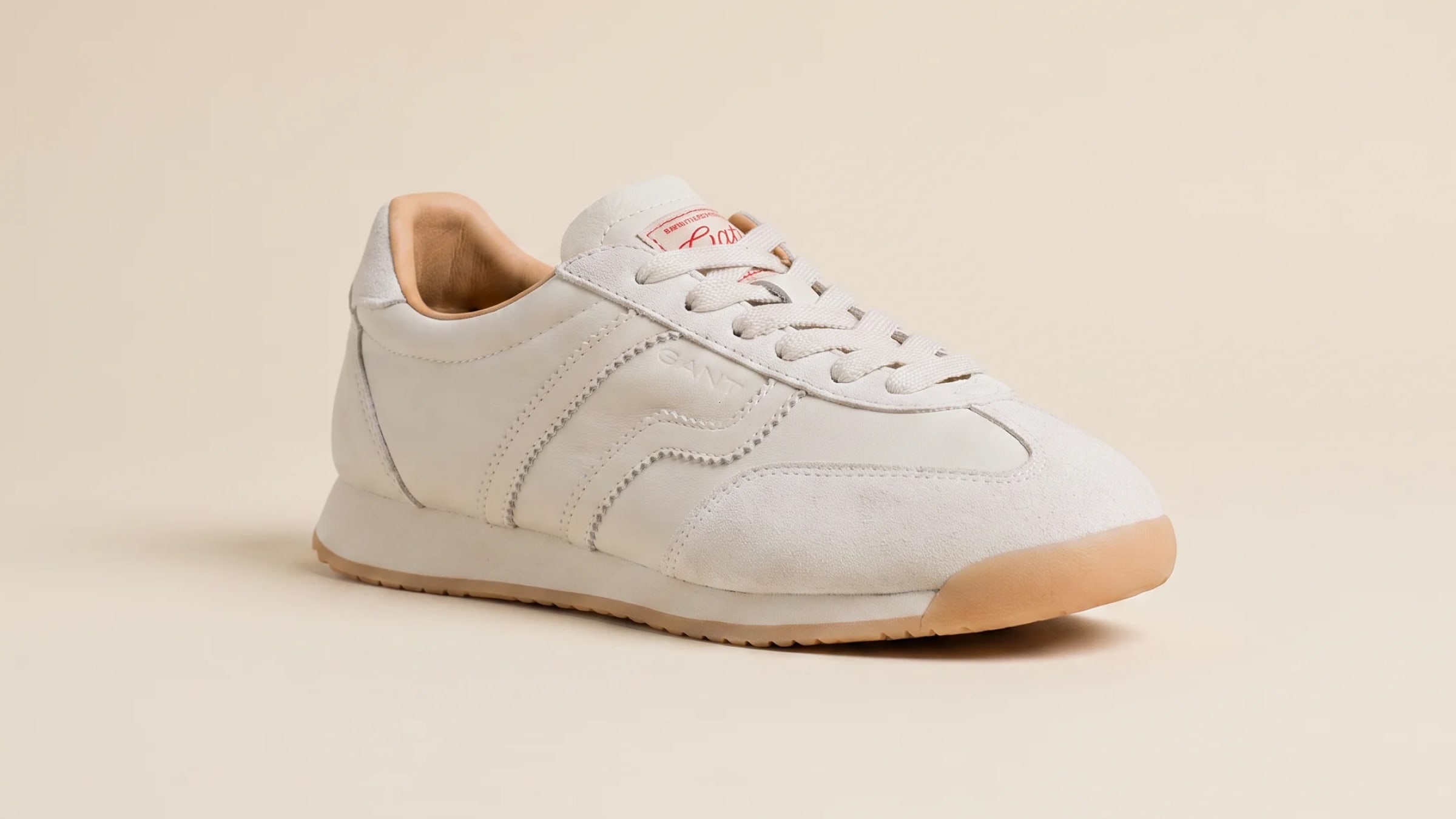
GANT Replaces Traditional Photography With Powerful 3D Content
GANT is a global fashion label known for classic apparel and footwear. The brand integrated a 3D-First product visualization strategy powered by Fibbl. This means they made 3D the primary way shoppers experience their products. Every other method plays a secondary, supportive role.
What GANT Did:
- Made 3D product views the default experience rather than static images.
- Ran an A/B experiment with 274 footwear products across 13 markets.
- Saw a 6.3% uplift in conversions compared to static image-first variants.
Why This Works for GANT:
- Default 3D Over Static Images: Customers get an interactive view instantly, which increases confidence and reduces hesitation.
- Data-Backed Confidence: The experiment was proven with statistical significance across hundreds of thousands of sessions.
- One Asset, Many Uses: The 3D model powers product pages, AR, ads, and marketing, cutting reliance on repetitive traditional photography.
- Price and Time Savings at Scale: Instead of schedule + shoot + edit per SKU, GANT now relies on scalable 3D production workflows.
Other Footwear Brands Using 3D/AR (Beyond Traditional Photography)
Elvardi: Elevating E-commerce with 3D Visualization
Elvardi is a British footwear brand known for premium sneakers and thoughtful design. Their 3D product experience isn’t just about pretty pictures. It’s a deliberate e-commerce tactic to enhance digital shopping confidence. Here’s how Elvardi is using 3D assets strategically:
- Virtual Try-On and AR Boost Customer Confidence
Elvardi’s integration includes virtual try-on and AR experiences that let customers explore how shoes look and feel on their own feet or in their space before buying. This reduces returns and increases conversions by giving confidence to customers where lifeless 2D photos fall short. It also bridges the gap between in-store feel and online convenience, a key differentiator for footwear brands that traditionally struggle with fit uncertainty. Here’s what customers can get with Virtual Try-On and AR:
- Customers can visualise the sneaker from all angles.
- Try-on view encourages buyers to engage longer with the product.
- AR reduces hesitation tied to uncertainty around style and fit.
- Interactive 3D Viewer Improves Engagement
Instead of static images, Elvardi uses interactive 3D views powered by their 3D models that let customers:
- Rotate shoes 360°.
- Zoom into materials (leather grain, stitching, sole detail).
- Experience lighting variation.
This level of detail is closer to holding the product in hand digitally, which increases transparency and trust in the quality of the sneaker. E-commerce sites could also benefit from:
- Higher time on product pages: Shoppers spend longer exploring products in detail.
- Better buying decisions: Customers clearly see what they’re getting before purchasing.
- Fewer surprises after delivery: Products look and feel closer to expectations.
- One 3D Asset, Multiple E-commerce Touchpoints
Elvardi’s 3D models aren’t limited to product listing pages. They’re reused across:
- Product detail pages.
- AR experiences on mobile.
- Virtual try-on screens.
- Marketing content and campaigns.
One asset powers dozens of rich experiences. Unlimited reuse capability also dramatically lowers content production costs compared to repeated traditional photography shoots for every SKU variation.
Zach Footwear: Reducing Returns with 3D-First Product Content
Zach Footwear implemented a 3D-first ecommerce experience using Fibbl’s interactive product visualization to replace traditional photography. This approach gives shoppers a much clearer understanding of each shoe before purchase.
How Zach Uses 3D to Improve E-commerce:
- Interactive 3D product views to rotate and zoom shoes from every angle.
- AR experiences that bring products closer to an in-store feel.
- High-fidelity visuals that clearly show materials, shape, and details.
Results and Business Impact:
- 29.4% reduction in return rates, driven by better product clarity.
- Improved shopper confidence and purchase decisions.
- Lower content production costs by reusing one 3D asset across PDPs, AR, and marketing channels.
This 3D-first strategy helped Zach Footwear scale product content efficiently while delivering a more confident, conversion-focused customer experience.
ROI: 3D Content vs. Traditional Photography
Let’s compare the cost of 3D content with traditional photography at a glance.
Traditional Photography Costs
| Cost Type | Average |
| White Background per SKU | $75–$200+ |
| Lifestyle / Model Shoots per SKU | $150–$500+ |
| 360° Spin per SKU | $150–$1,000+ |
| Reshoots/Seasonal Updates | +25–50% per iteration |
For a mid-sized footwear brand, a single photoshoot can easily exceed $5,000–$15,000. Scaling across multiple product lines and seasonal launches also makes traditional photography a major budget item.
Fibbl 3D + AI Content
| Content Type | Cost Dynamics |
| One 3D Model per SKU | Scales to unlimited visuals (PDP + AR + ads) |
| AI-Generated Lifestyle Assets | Included in platform workflows |
| AR & Virtual Try-On | Integrated with minimal engineering. |
| Reuse Across Channels | Yes (big ROI multiplier). |
For example, to create 50 3D models using Fibbl, you’d pay €12,000 one-time fee (or €240 per model). Platform fees are €1,399 monthly. That’s around $14,000 and $1,635, respectively, in USD.
With Fibbl, the larger the catalog, the lower the per-SKU cost. But with traditional photography, the larger the catalog, the higher the costs. Remember, 3D assets also scale to unlimited visuals you can use across channels and multiple campaigns, over and over again, with minimal incremental cost. Besides, high-resolution 3D content improves visual consistency across channels.
Product Photography Isn’t a Cost For Smart Footwear Brands But An Investment
Your footwear brand doesn’t have to struggle with ever-escalating traditional photography budgets and slow production. With agile modern platforms like Fibbl, you don’t need to hire expensive photographers or dedicate teams for post-production. One scalable 3D workflow can power every visual asset your brand needs, supporting hundreds or thousands of products every season.👉 Get a free trial now to see how your best-selling shoe looks in stunning photorealistic 3D.