Big tech players such as Meta, Google, Snap, and Apple are at the forefront of technology and driving immersive experiences. But the key question you should ask yourself isn’t whether you can keep up with the big money building infrastructure, rather: where do you position your brand in the backwaters of this development? The tips below might help you answer that question.
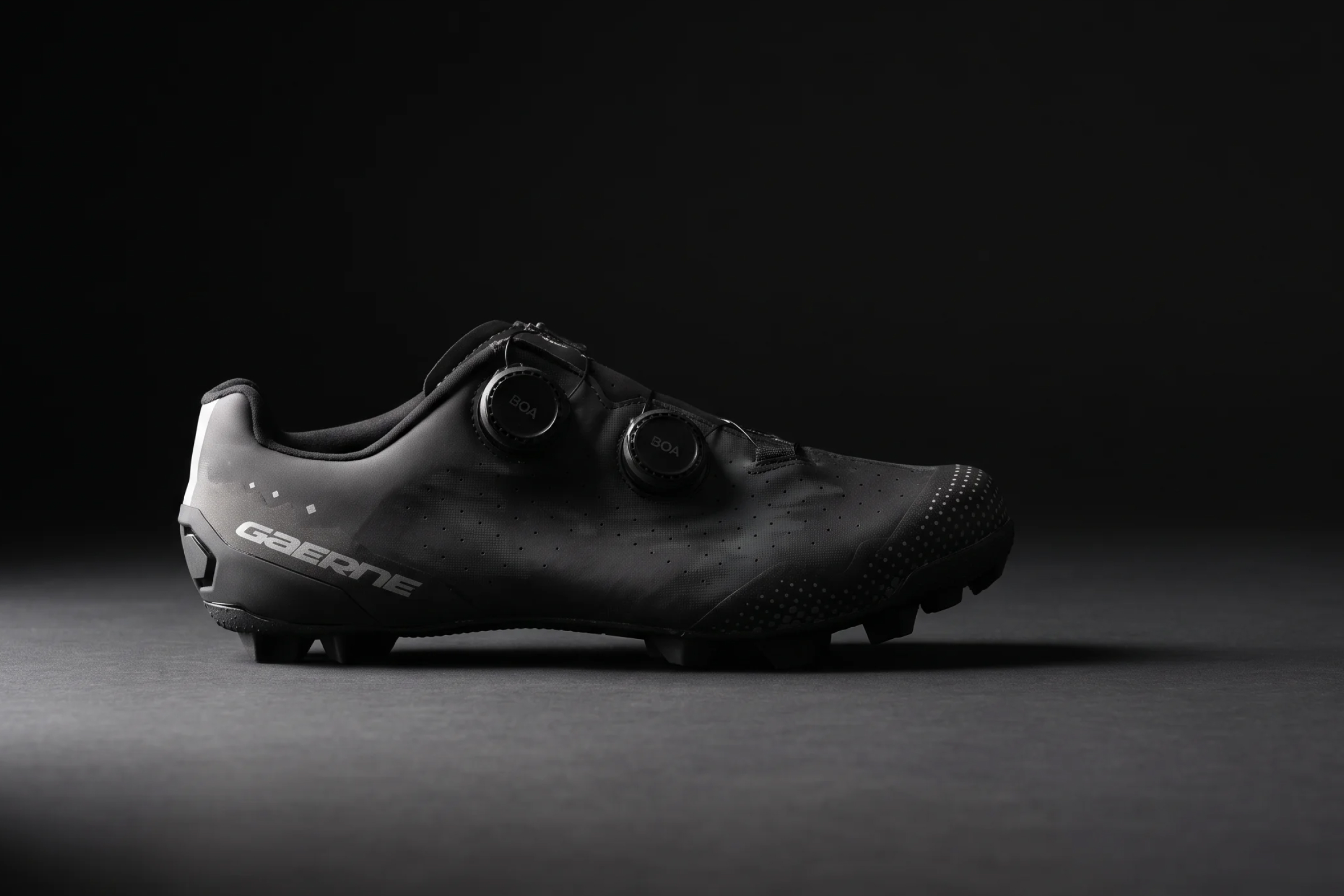
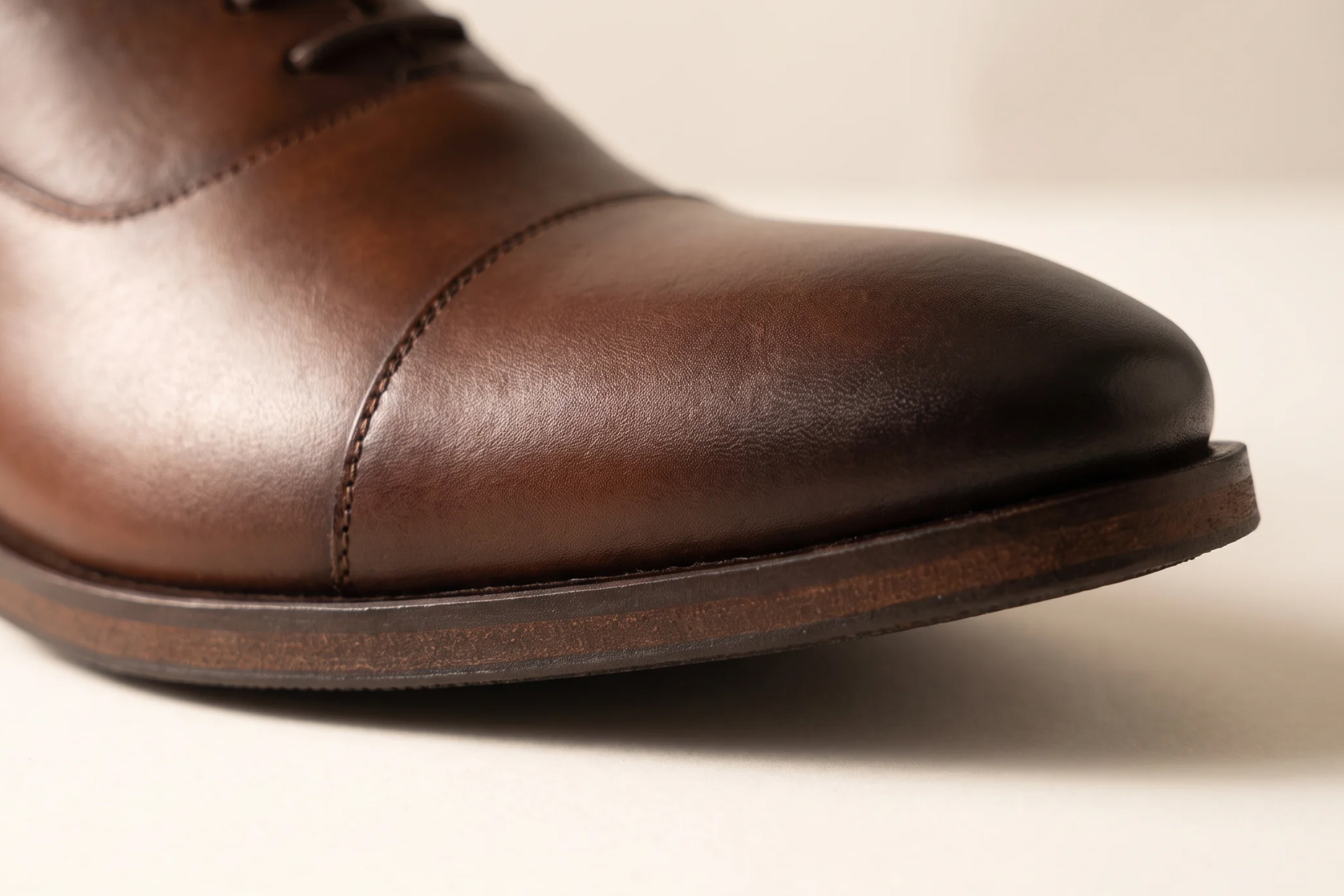
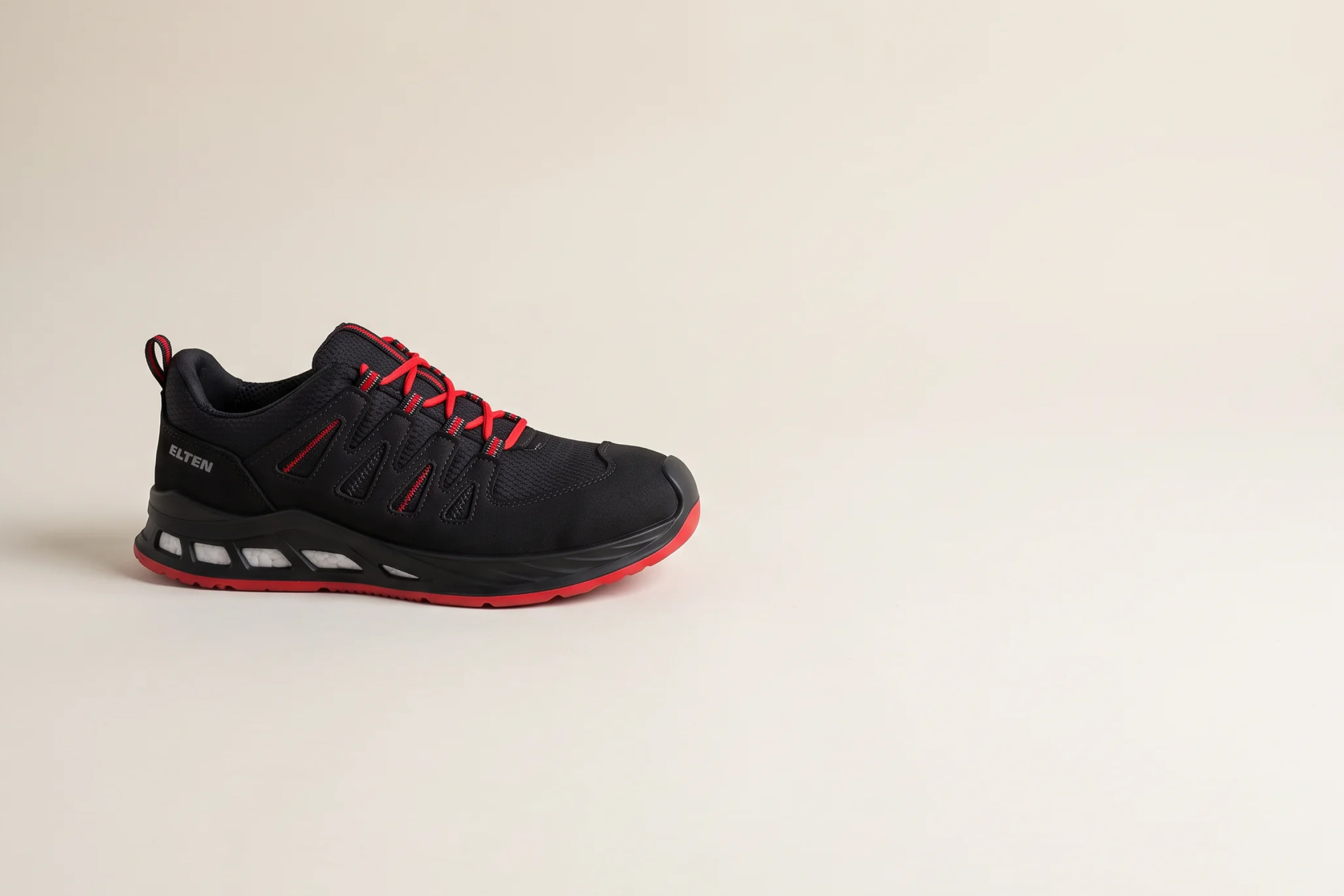
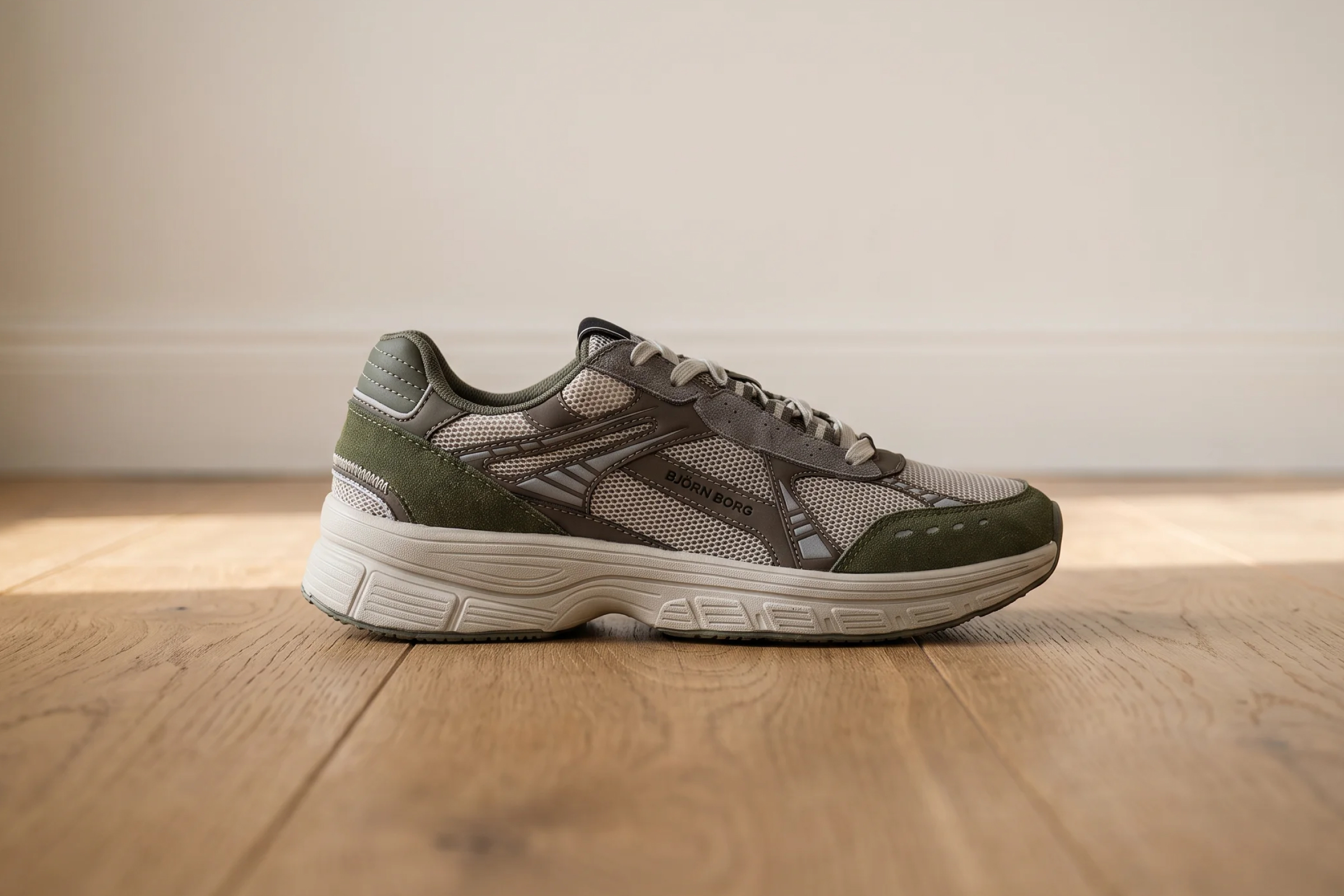
Tip 1: Turn your shoes into 3D modelsContrary to what you might think, 3D and AR technology is readily available for your e-commerce today. We’re not only referring to the 3D production itself but also the final link, which many suppliers struggle with – distribution. We work end-to-end. From swiftly turning your shoe collection into 3D, adding distribution and 3D experiences. In fact, our tech power global product launches.
See how American shoe brand Atoms and YouTube Megastar, Marques Brownlee, launched SNEAKER 251.1 globally.
Tip 2: The 3D viewer is a great startAfter having helped numerous companies go live with our 3D, we’ve learned the principle of simplicity. It’s easy to overdo or overthink activities and initiatives you need or want to do, when you have your 3D experience in place. It’s completely natural and we totally get it – it looks awesome – and we won’t stop you. Still, our experience tells us that starting simple with a 360 viewer and setting up A/B tests is a good start. A test also helps you understand how 3D technology creates business impact.
Learn some best practice from the Dutch shoe brand Nubikk and how they increased conversions with 16% on their product pages using a 360 viewer: check out the case. Experience the assets and see the case on video here!
Tip 3: Going 3D solve other problems by default
When you have a 3D model, there are numerous exciting possibilities at your fingertips. For example, creating product images within seconds is a breeze. In fact, product images are automatically generated and included in the delivery when we turn your shoe into 3D. Our goal isn’t to take jobs from hardworking product photographers, but let’s face it, this is a game-changer that saves you a significant amount of money and time!
Learn how the premium legacy brand Gant stopped producing their own product images, saving them 50% in both time and money: gain the knowledge here! You can also see and experience the case and the 3D assets on video here.
Tip 4: Product videos
One of the experiences that are automatically delivered when we turn your shoe into 3D is the 3D generated video. This content asset can be used in many ways. In-store display screens, product pages on your e-commerce, social media, email marketing, and numerous other marketing channels this article is too short to cover. For a tangible example of its impact on engagement, product experience, transactions, and revenue, we strongly recommend a success case coming hot from our test lab.
Discover How Nubikk increased engagement and sales using a 3D video in their email marketing. Or see and experience the case on video here!
Tip 5: Online is the new offlineWith your 3D assets in place you can go 3D first, turning your physical store inside out and display your products with engaging features such as Virtual Try On and AR placement. Promote products on Snapchat and allow customers to try-and-buy using Virtual Try On, or use these features on your e-commerce platform, in your email marketing, or any other platform you can come up with.
Letting customers experience your products can reduce product uncertainties, lower returns, increase margins and revenue, and ultimately allow your customers to make smarter shopping decisions. Bonus tips (!): Discover how Zach Footwear reduced returns by creating an exceptional customer experience and embracing a 3D-first approach.