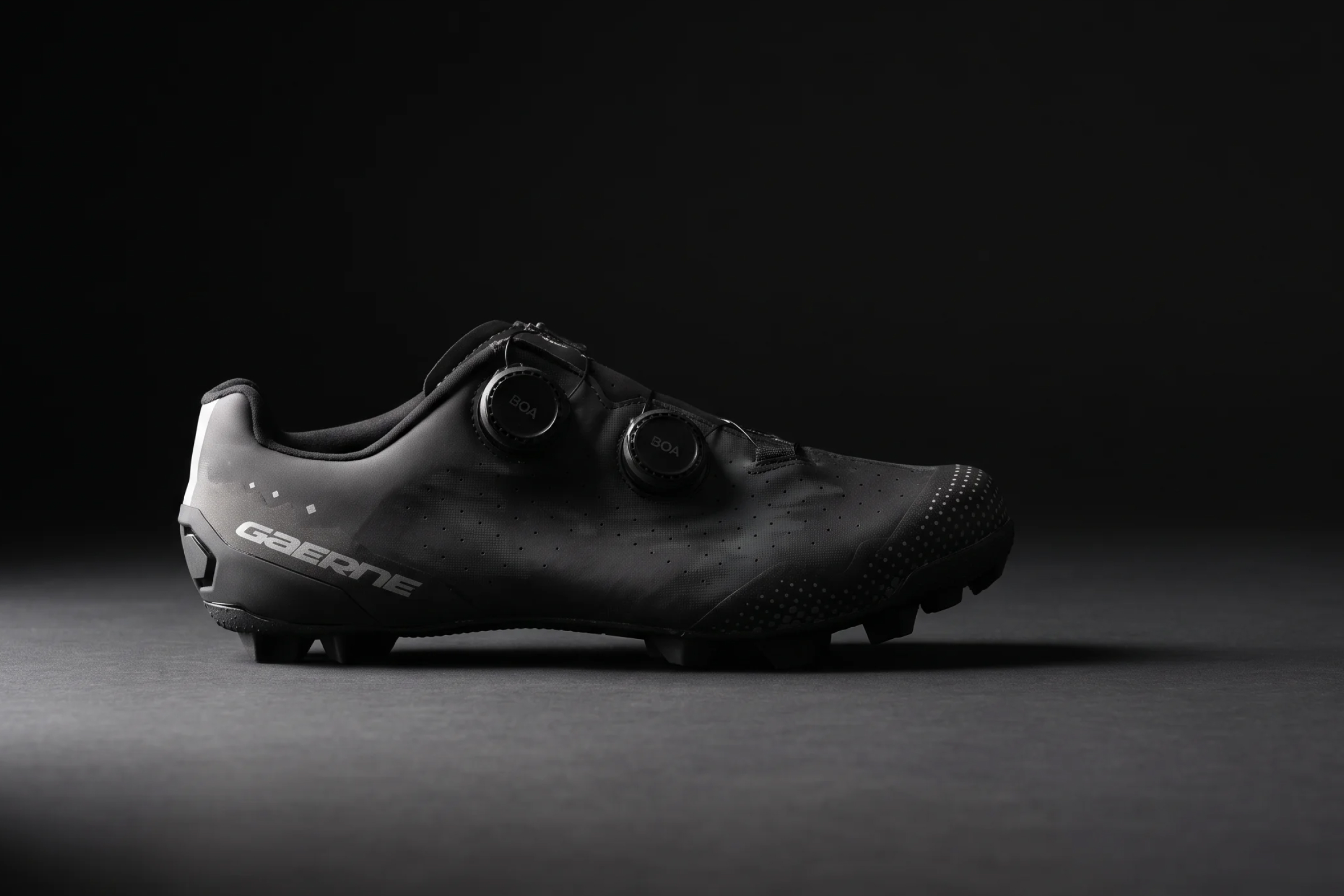
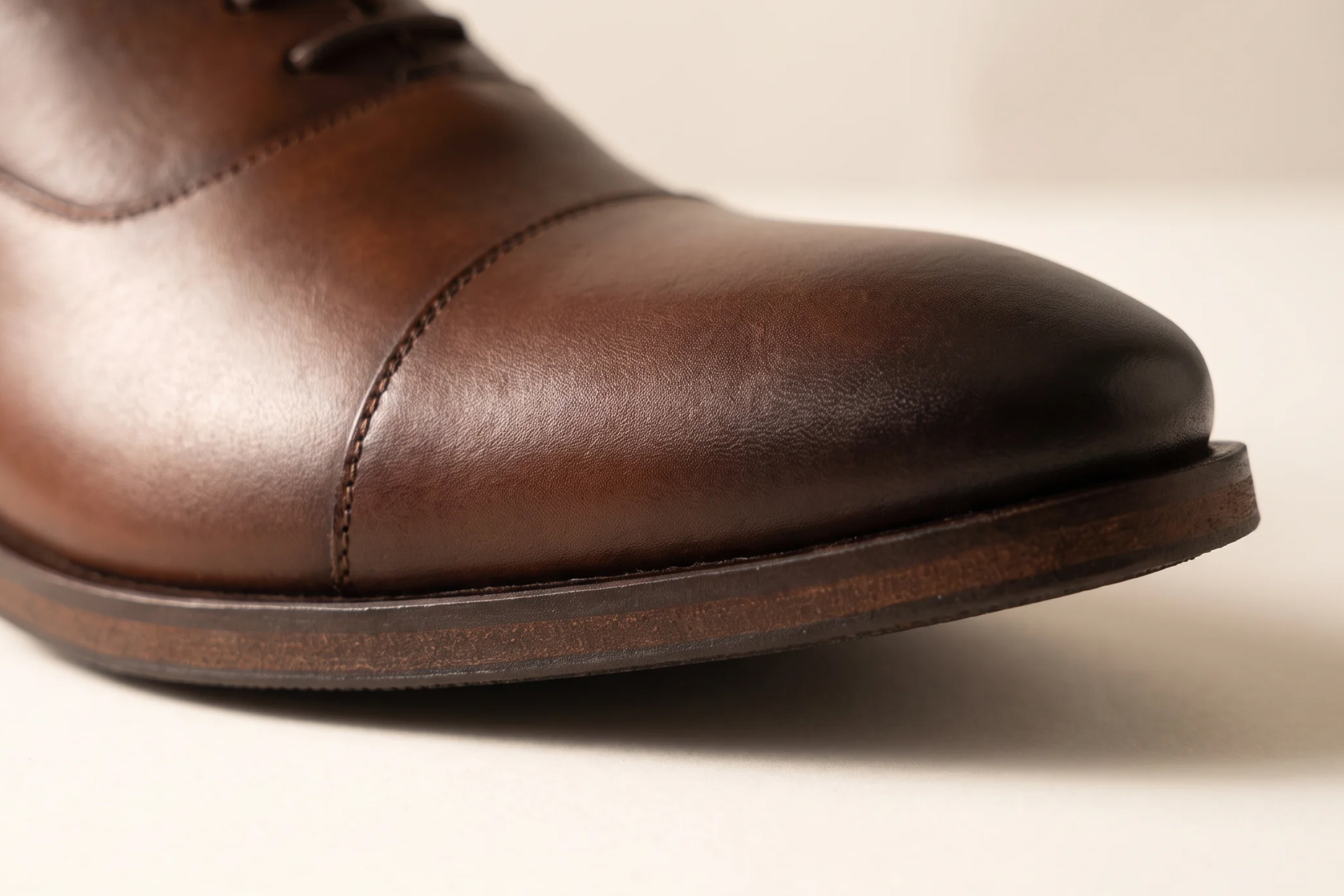
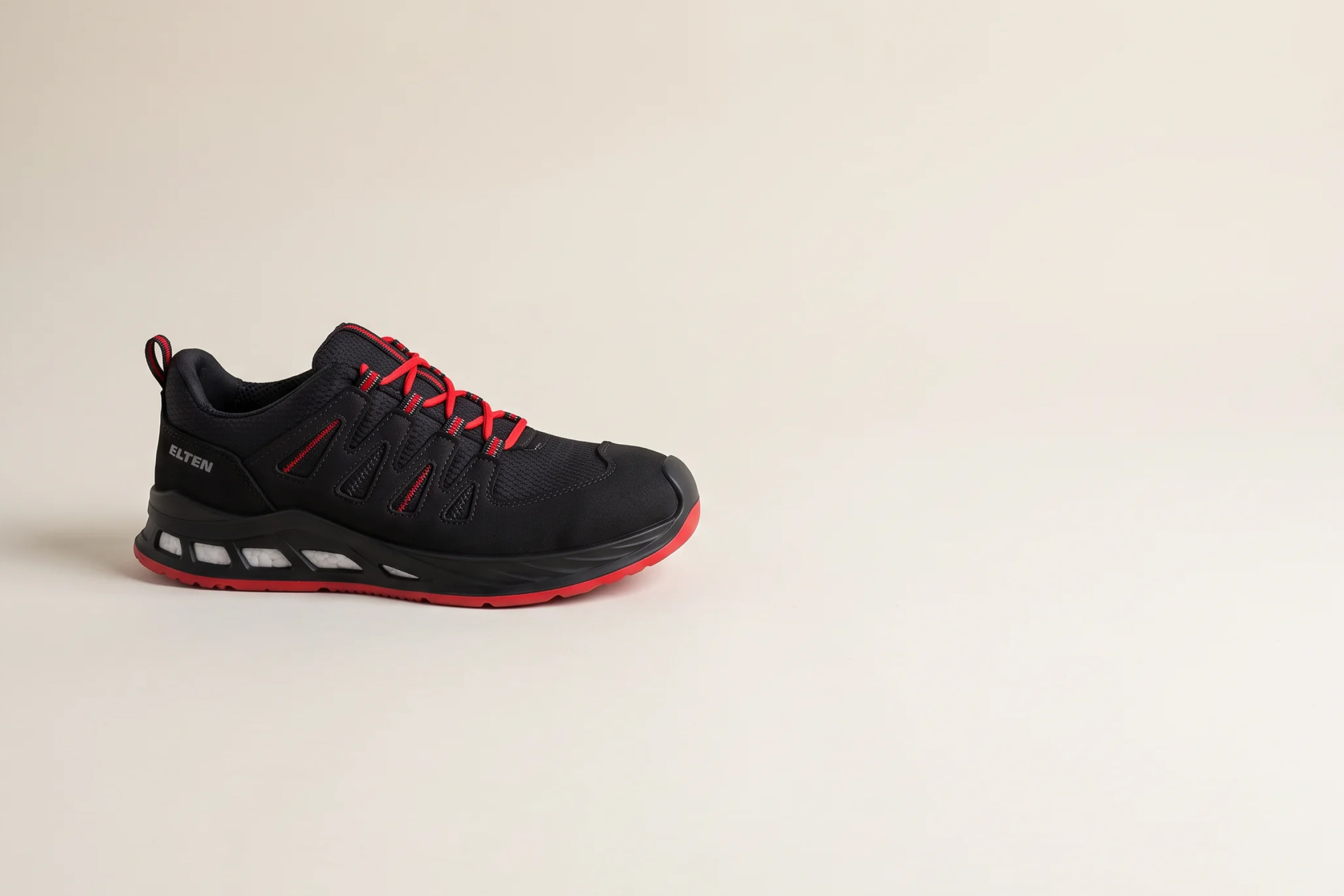
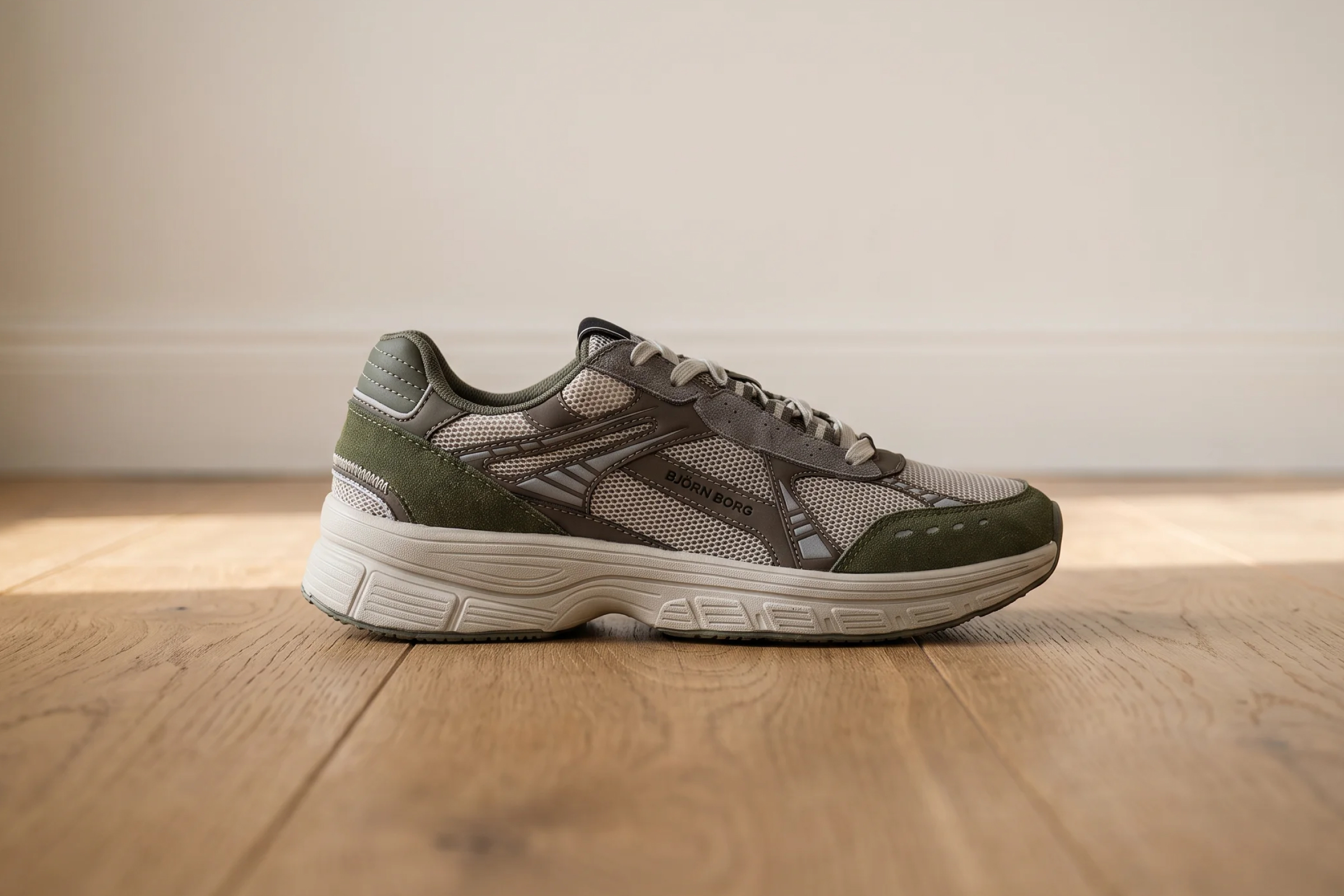
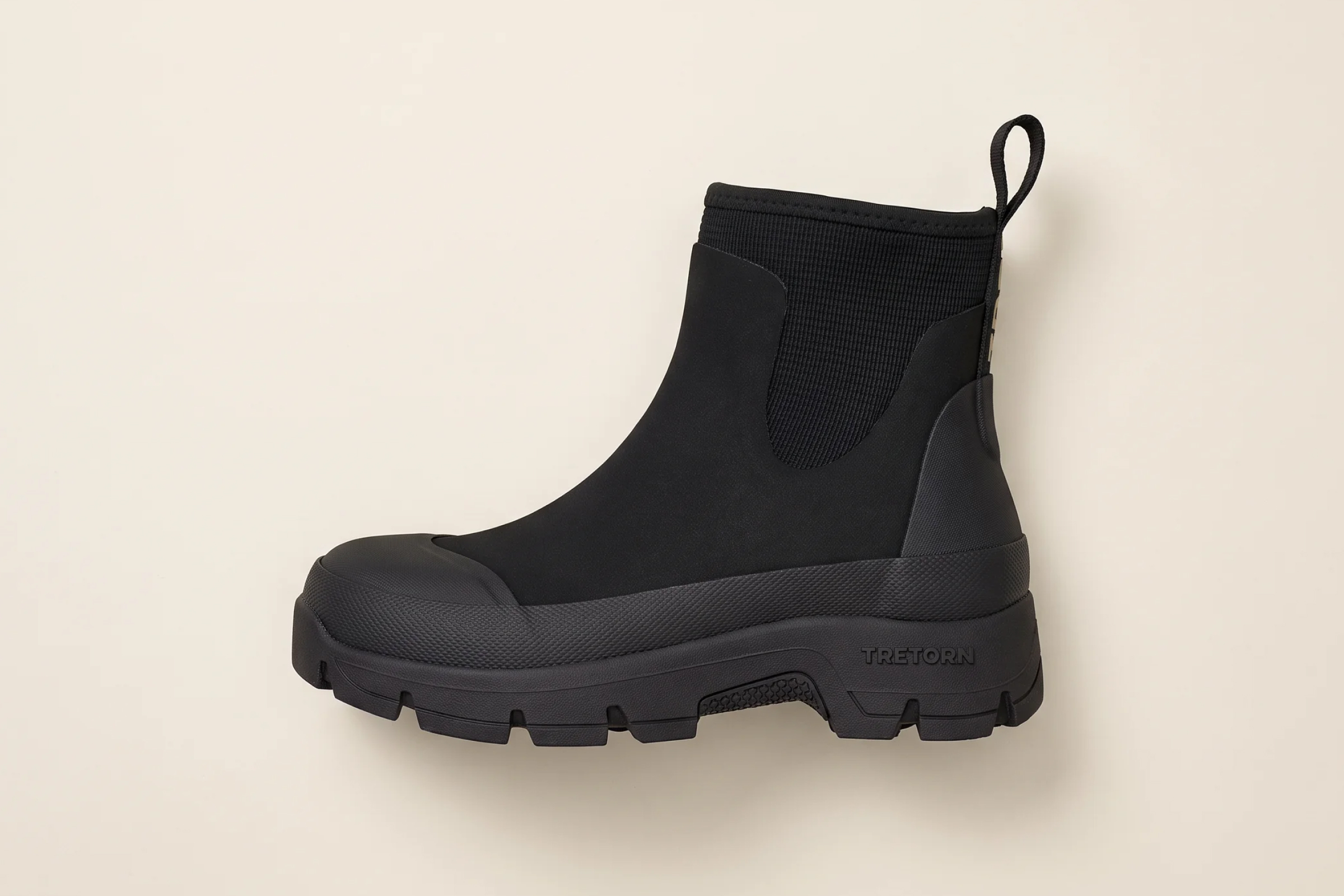
3D modeling for e-commerce has been around for quite some time, but the technology required to make the models has been expensive, and only larger players have had the money to pay for it.
As new methods for producing 3D models on a large scale emerge, a new standard in e-commerce product marketing will become accessible for small, medium, and large brands. It’s about time, as this is the new gold standard that customers have come to expect. Learn how to elevate your Shopify product catalog and add 3D models to your product pages as easily as images.
The shift to 3D is good news for all consumers, but it might be even better news for your brand, as you can use 3D models as a powerful tool to increase conversions and reduce returns. Now even small brands can join the revolution!
Showcase Product Features in 3D
One of the most significant benefits of using 3D on Shopify is the capability to highlight your specific product features and educate consumers about their value. Since the majority of shoppers prioritize product visuals over descriptions, crucial selling points and opportunities for upsells may be overlooked. Enabling customers to make smarter purchasing decisions by delivering a more compelling 3D experience has been shown to generate higher conversion rates. Learn from the Dutch shoe brand Nubikk and discover how they increased conversions on by 16% on their PDPs.
Boost buyer confidence and conversion rates
Every e-commerce manager knows that uncertainty can significantly impact conversion rates. Consider what a 1% conversion increase could achieve during Black Friday or Christmas sales! 3D models offer a solution to experiencing a product as if in-store. Customers can view the product from every angle, at full scale, and in high fidelity. This allows them to perceive texture and scrutinize every inch, easily comprehending details that don’t translate well through traditional product photography. Virtual Try On and the now classic 360 viewer are good examples of this shift.
Experience Virtual Try On below!

Try it on!
What 3D can, and in-store can not
In numerous industries, the most convincing aspect of 3D models surpasses even the in-store experience. Namely the capability to visualize how your products appear in the shopper’s space. No more reliance on imagination and measuring tapes. Customers can envision how your product fits into their surroundings from wherever they are, without the need to leave home, work, or school, or wherever they might be at the moment. This level of availability around the clock is a feature few stores, if any, can deliver. It also means that you can be present in the shoppers life whenever they want and need.
Get yourself AR-ready
Want to learn more how to implement 3D on your Shopify Page? Check out this article, or explore Shopify’s help center for comprehensive guidance on preparing your store for 3D & AR integration.