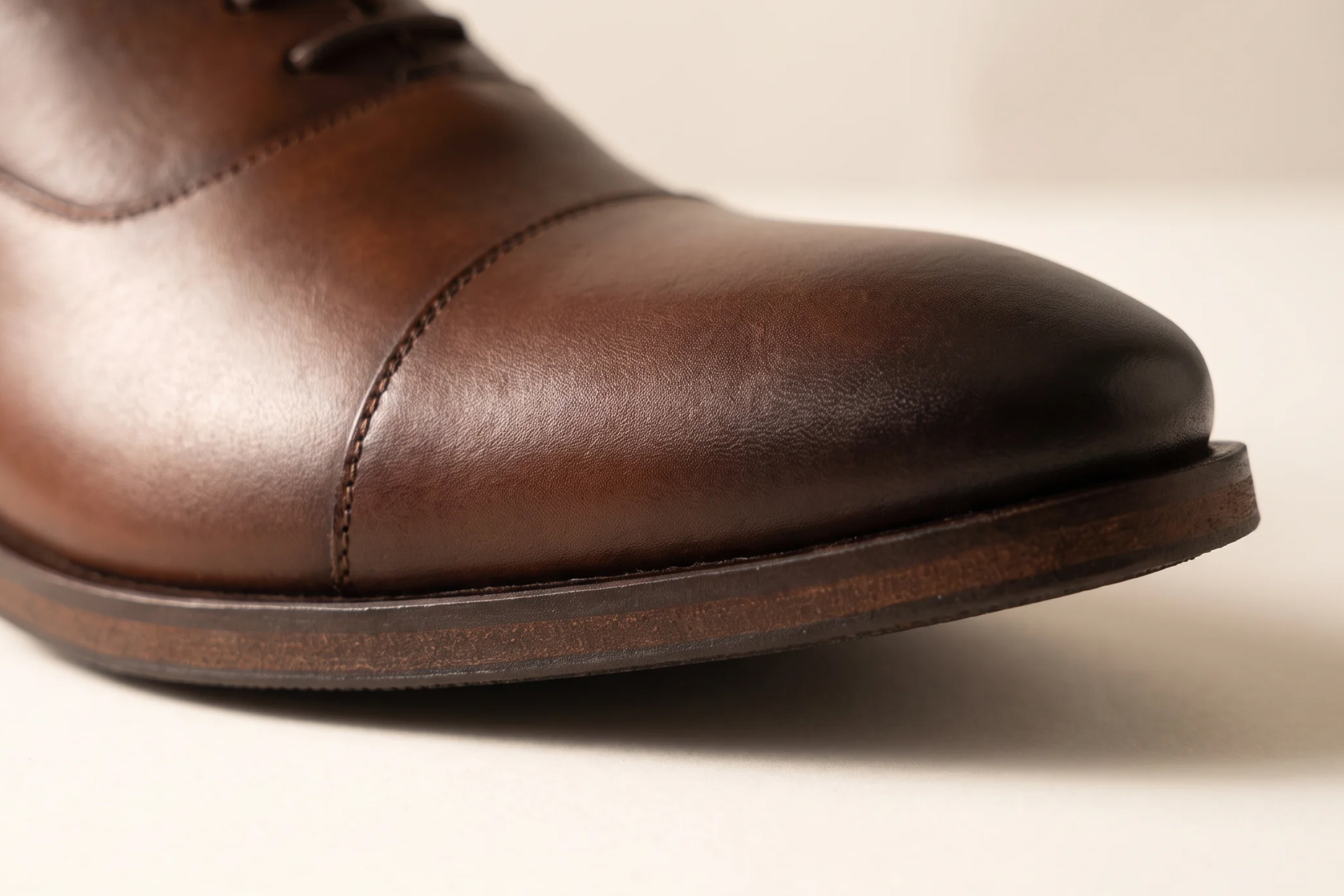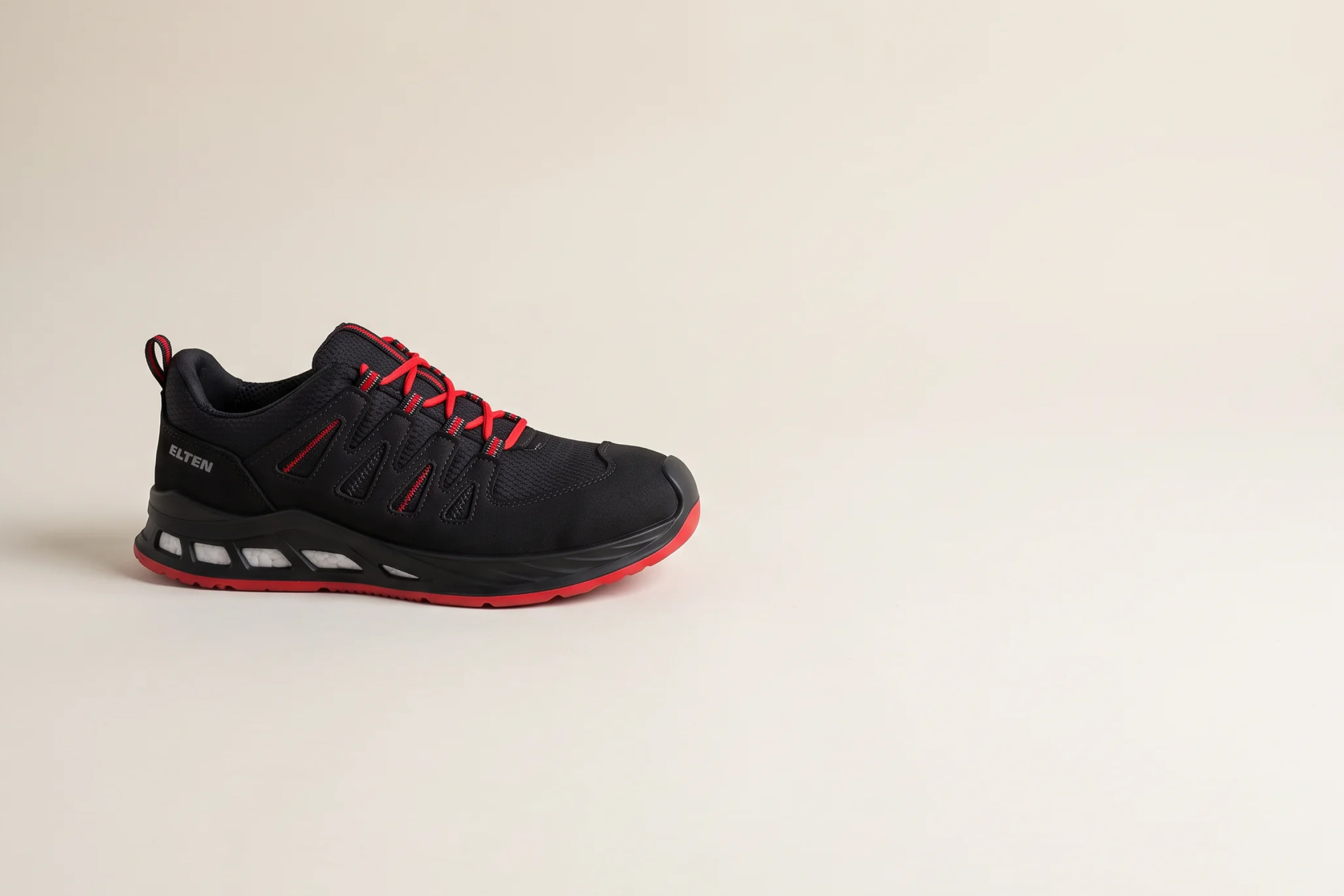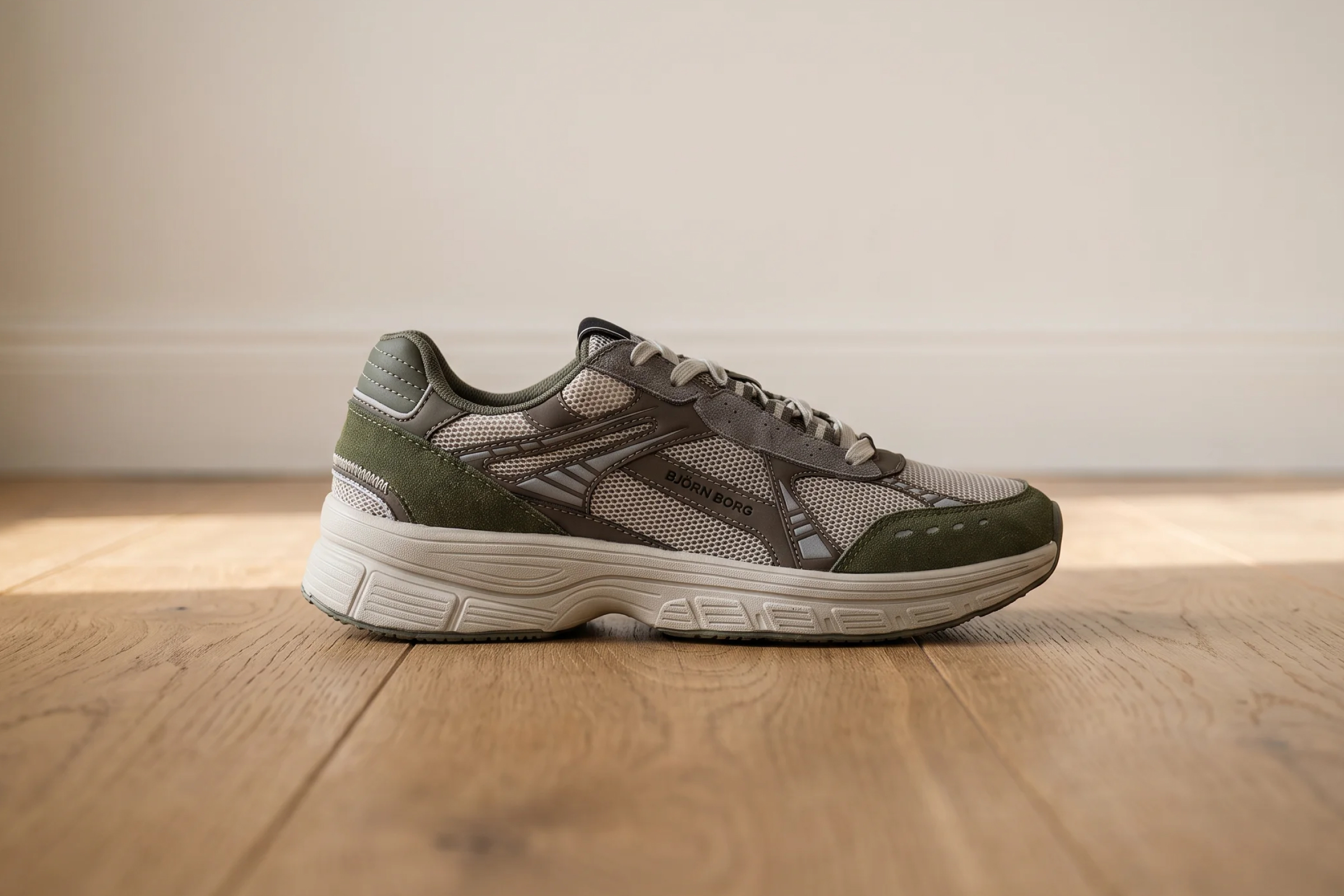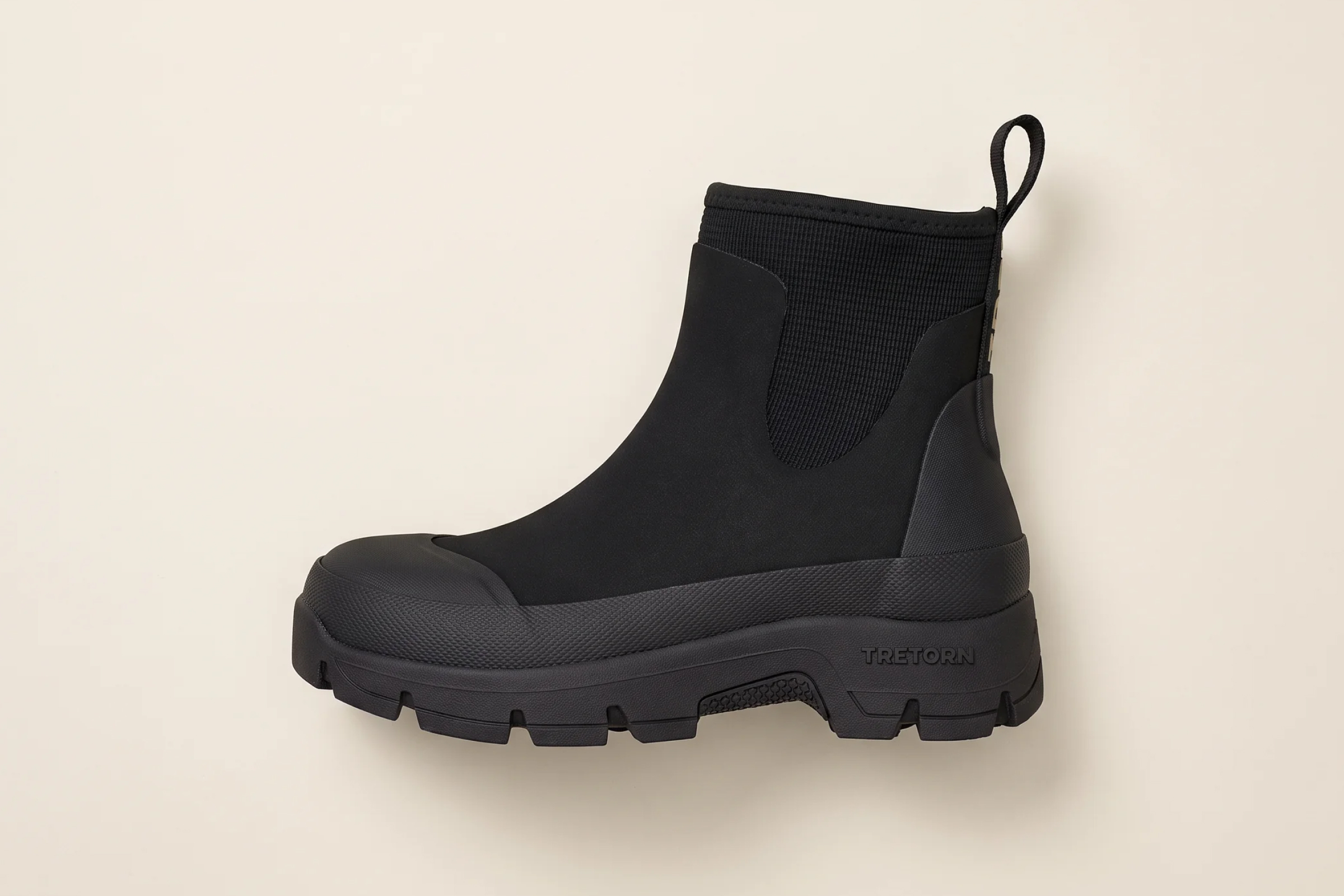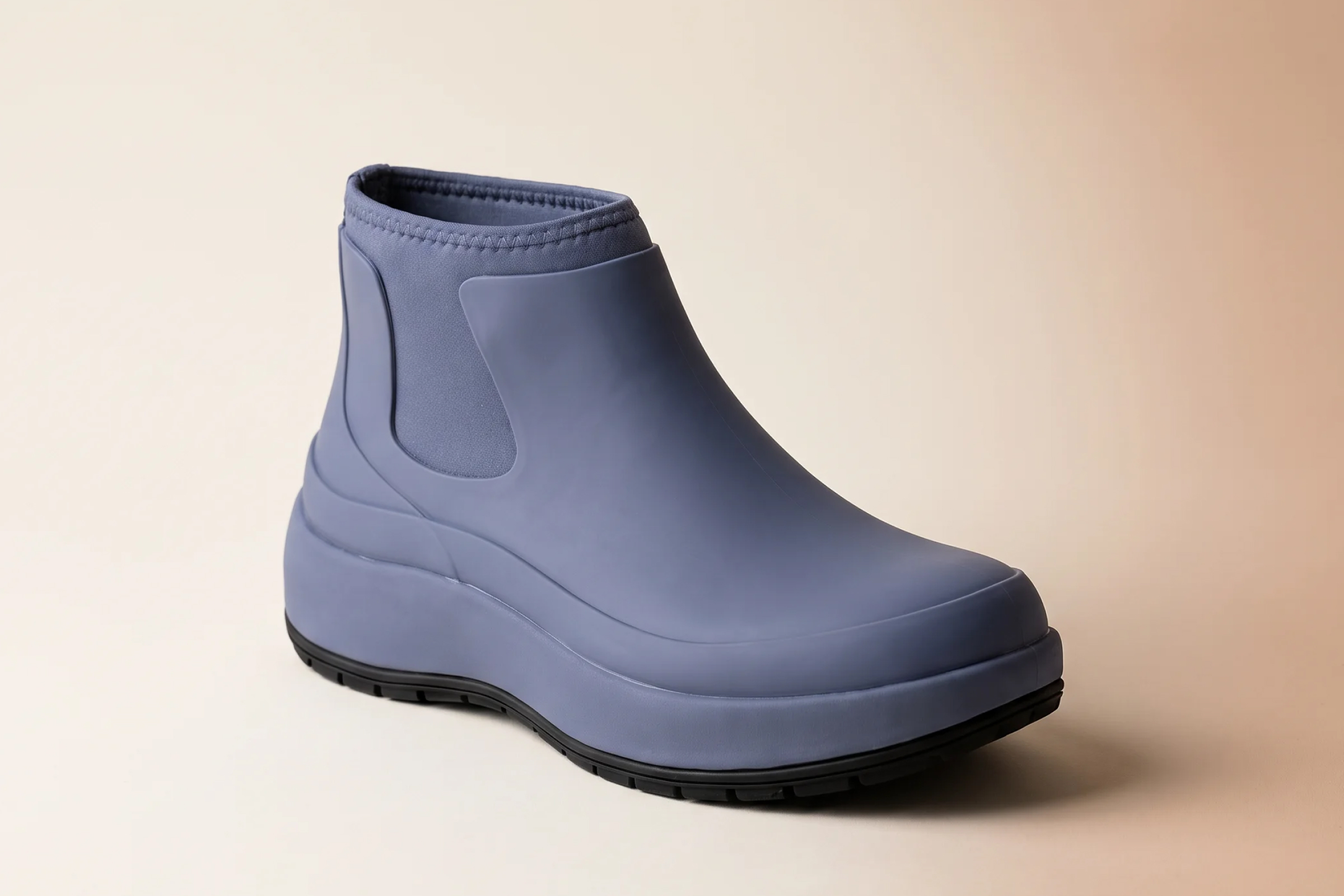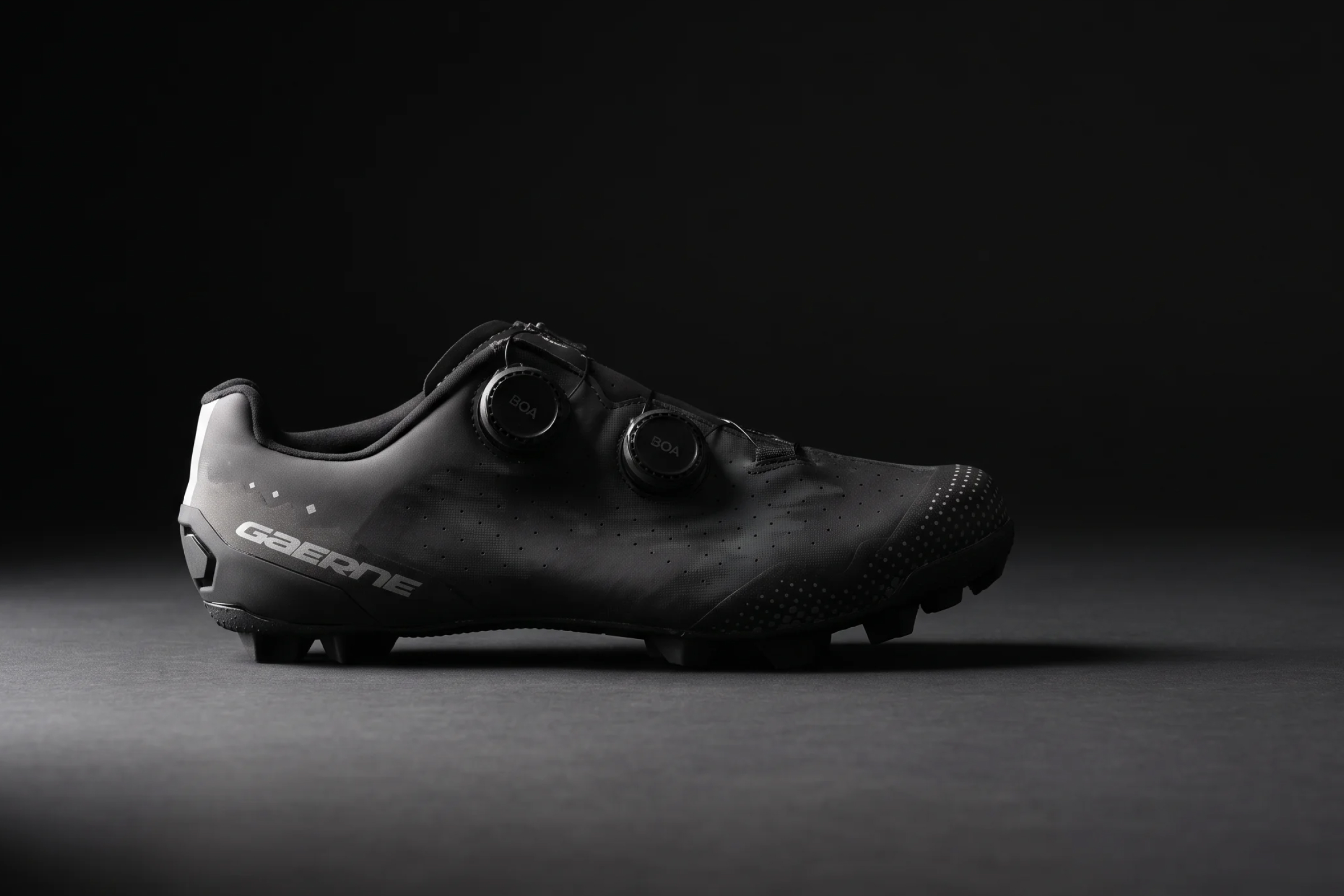
Footwear brands have three ways to produce product images. They can photograph each product in a studio, scan each product once in 3D and render the images from the model, or generate the images with AI.
Photography is the strongest method for on-model and campaign imagery, and often the cheapest for a small range shot once. 3D scanning becomes cheaper and more consistent as colourways, channels and seasons multiply, and it is the only one of the three that also produces interactive 3D, augmented reality and virtual try-on. AI generation is fast and flexible for scenes and backgrounds, but it cannot reliably reproduce a specific product’s details on its own, so it works best on top of an accurate product source.
Most brands end up using more than one. The decision that matters is which method becomes the source of truth for how the product looks, because every other output inherits its accuracy.
How each method works
Studio product photography
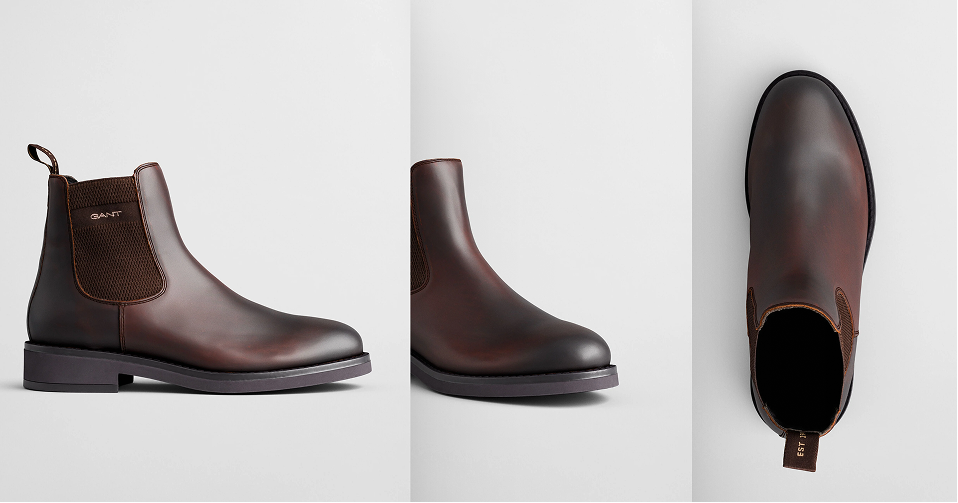
A photographer shoots each physical product at a set of standard angles, usually on a white background, followed by retouching. For footwear that typically means a side profile, a three-quarter view, the sole, the heel and a top-down view, repeated for every colourway.
Where it is strong. Every webshop, retailer and marketplace is set up to receive it. It handles on-model, on-foot and editorial work with an authenticity no other method matches. For a small range photographed once, per-image prices at high-volume studios are low.
Where it is limited. Every output is a separate piece of work. Each colourway needs its own pair in front of the camera, each new angle or format needs another session or retouching round, and carry-over styles get reshot when image standards change. The schedule depends on when samples arrive, and consistency depends on having the same studio, lighting and crew each season. The output is a flat image and nothing else.
3D scanning
The brand ships one physical sample per silhouette and material to a scanning studio. The shoe is captured as a photorealistic 3D model, checked against the physical sample, and every image is then rendered from that model. Fibbl captures with cross-polarised lighting, which separates surface reflections from the material’s own colour so that patent leather, metallic trims and glossy rubber render accurately under any lighting setup.
Where it is strong. Capture happens once. Colourways of the same silhouette and material are applied digitally, so a style that ships in eight colours is scanned once. Angles, lighting, backgrounds and formats are settings, so a new preset for a marketplace, a salesbook or a paid social format is a render job rather than a shoot. Because camera and light are identical every time, a collection stays consistent from season to season and carry-over styles need no reshoot. The same model also powers the 3D viewer, augmented reality, virtual try-on, product video and dimensions on the product page.
Where it is limited. A physical sample still has to reach the studio, and each new material needs its own capture. The scan alone does not produce on-model or editorial imagery. That comes from photography, or from AI generating the scene around the scanned product.
AI image generation
Generative tools create product images either from a text prompt or from an existing product photo, which the tool restyles, places in a new scene or extends to a new angle.
Where it is strong. Speed, low cost per image and almost unlimited scene variety. For lifestyle and campaign content across many markets, it replaces locations and set builds that would be expensive or impractical to photograph.
Where it is limited. Generative models handle scenes well and products poorly. From a prompt alone, the model invents the shoe: plausible at a glance, with the wrong stitching, the wrong last or a logo that is almost right. From a photo, the result is bounded by that photo. The model cannot see angles the photo does not show, and details can drift from one generation to the next, so someone has to check every image. Those details are exactly what a buyer checks before ordering. Photo-based tools also still need the photo, so they extend photography rather than replace it.
Side-by-side comparison
Studio photography | 3D scanning | AI generation | |
|---|---|---|---|
Product accuracy | High, taken from the physical product | High, from a model checked against the physical sample | Varies, details can change between generations |
Physical samples needed | Every colourway, every shoot | One per silhouette per material, once | None for prompts, a photo for image-based tools |
What drives cost | Products × colourways × angles × seasons | Silhouettes and materials | Generations, plus review time |
New angle or format later | New shoot or retouching | Rendered from the existing model | Possible, accuracy not guaranteed |
Consistency across seasons | Depends on studio, crew and lighting | Identical camera and light settings | Varies with model version and prompt |
On-model and campaign imagery | Strongest option | Through AI built on the model, not from the scan alone | Strong for scenes |
Interactive 3D, AR, virtual try-on | No | Yes, from the same asset | No |
Usable as product data for AI | Partly, 2D views only | Yes, geometry, materials and every angle | It is an output, not a source |
Which method fits which situation
- A small range with few colourways, packshots only, one season. Photography at a high-volume studio is likely the cheapest route. The advantage of 3D comes from reuse, and this scenario has little of it.
- A large range with many colourways and carry-over styles. 3D scanning. Capture cost follows silhouettes and materials, while photography cost follows every colourway and every season a style stays in the range.
- Many channels with different image specifications (webshop, marketplaces, wholesale portals, salesbooks, paid social). 3D scanning, because each new specification becomes a render preset.
- Late or limited samples. 3D scanning, captured from the first sample available, with the remaining colourways completed digitally as production colours are confirmed.
- Interactive product pages, AR or virtual try-on. 3D scanning is the only one of the three that produces them.
- Brand campaigns and on-model editorial. Photography, extended with AI for additional markets, seasons and settings.
- Lifestyle imagery at volume. AI generation, provided the product in the image comes from an accurate source rather than being generated.
Using the three together
A workflow that uses each method where it is strongest looks like this. The 3D model is the source of truth for the product, and packshots, colourway variants and product video are rendered from it. Photography is kept for campaigns that need people and real locations. AI generates the scenes around the scanned product: in Fibbl’s AI Studio, the 3D model supplies the product with its geometry and materials intact, and the AI generates only the setting. [Internal link: How can footwear and bag brands automate content creation with 3D and AI?]
The benefits depend on the shared asset. Brands that run photography and 3D as separate pipelines, with separate suppliers, budgets and samples, carry the costs of both and get the consistency of neither.
What the cost comparison depends on
Comparing price per image tends to favour photography, because high-volume studios already price packshots low. The comparison that decides the business case is the cost of a full season’s visual content. Photography cost grows with each colourway, angle, format, channel and season. 3D capture cost grows with the number of silhouettes and materials, and everything after capture is a render. The more colourways per style, the more channels a brand sells through, and the more seasons a style stays in the range, the wider the gap. Across the footwear Fibbl has scanned, a silhouette ships in three to four colourways on average. Photography needs each of those colourways in front of the camera, while 3D needs one capture per material.
GANT digitised its entire SS27 footwear category, 549 products, in a 16-day production window, and the same scans supplied the season’s packshot sets, 3D and virtual try-on. GANT reported a 50% saving in time and cost on its packshots.
Frequently asked questions
Does 3D scanning replace product photography for footwear brands?
For catalogue imagery, yes: packshots, colourway variants and product video can be rendered from the 3D model. Most brands keep photography for on-model and campaign work.
Is 3D scanning cheaper than product photography?
It depends on how often each product would otherwise be photographed. For a small range shot once, photography is often cheaper. 3D becomes cheaper as colourways, channels, formats and seasons multiply, because capture happens once per silhouette per material.
Can AI create product images of our shoes without a photoshoot?
AI can create the scene, but it cannot reliably reproduce a specific shoe’s details without an accurate source. Prompt-only tools invent the product, and photo-based tools need a photograph first and can change details between generations. A 3D model gives the AI the real geometry and materials from every angle.
How many samples does a brand need to send for 3D scanning?
One per silhouette per material. Colourways of the same silhouette and material are created digitally from that capture.
Can we render product images from our 3D design files instead of scanning?
Only if the design files match the production sample in shape, material and colour. Design files are made before production, so they may not match the finished shoe in material appearance and fine detail, which is what buyers look at. Scanning captures the shoe as it was made.
Do 3D-rendered packshots meet marketplace image requirements?
Yes. Fibbl customers already supply rendered packshots to Amazon and Zalando. Packshots are exported to the angle, background, size and format each channel specifies, so a marketplace’s requirements become an export preset.
Fibbl has scanned more than 20,000 shoes, and its 3D assets have powered more than 72 million end-consumer interactions on brands’ product pages.