Quick Summary
Strong shoe photography helps customers evaluate fit, materials, shape, and quality more confidently online. Modern footwear brands combine PDP imagery, lifestyle shots, motion visuals, and social-first creative to produce e-commerce content across websites, ads, and other digital media campaigns. While AI and 3D workflows help scale that production more efficiently across large catalogs.
Why Modern Footwear Brands Need Scalable Photography Concepts
56% of users’ first actions when landing on a product page are to explore the images (Source). Before they read the description, check the price, or look at reviews, they go straight to the photos.
But most footwear brands are producing the same three or four shot types on a repeat basis. A side profile, a three-quarter angle, and maybe a sole shot. This leaves significant conversion potential on the table. Different channels, buyer mindsets, and product categories respond differently to visual formats.
This guide covers 21 shoe photography ideas across five categories, with real examples and context on where each one works best.
Why Listen To Us?
Fibbl is a 3D commerce platform built for footwear and bag brands, working with companies including GANT, ECCO, Samsonite, TUMI, and LØCI.
Our perspective comes from helping brands scale visual production across large e-commerce catalogs. For example, GANT used Fibbl’s 3D workflow to reduce product image production time and costs by 50%. It also improved conversion performance through a 3D-first shopping experience across 13 markets.
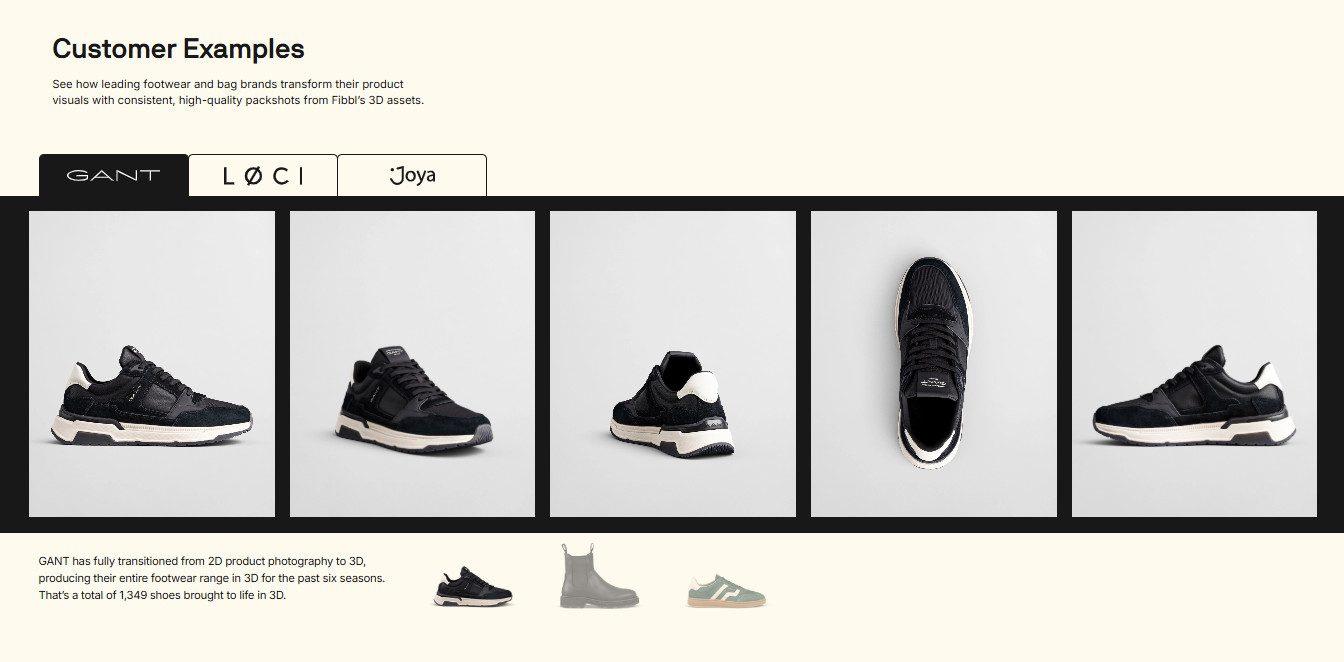
The ideas in this guide are based on the same scalable production principles used in those real-world workflows.
What Makes Shoe Photography Effective
Good shoe photography reduces hesitation. Customers can’t touch the materials, feel the cushioning, or try the shoe on, so the images have to answer those questions visually.
That is why image quality has such a direct impact on e-commerce performance. Shopify’s product photography guidance emphasizes multiple angles, close-up detail shots, and lifestyle imagery because better visual information helps customers evaluate products more confidently online. (source)
In practice, the most effective footwear photography usually does three things well:
- Makes the product easy to evaluate: Materials, stitching, texture, sole patterns, and shape remain clearly visible without distracting lighting or excessive editing.
- Helps customers understand fit and use: Multiple angles, on-foot shots, and lifestyle imagery help shoppers judge proportions, styling, and intended use more accurately.
- Maintains consistency across the catalog: Consistent framing, lighting, and composition make collections easier to browse and create a cleaner ecommerce experience across PDPs, marketplaces, and campaigns.
Types of Footwear Product Photography
Different types of footwear photography solve different e-commerce and marketing problems. Most brands use a mix of formats depending on the channel, campaign goal, and stage of the buying journey.
Studio Packshots
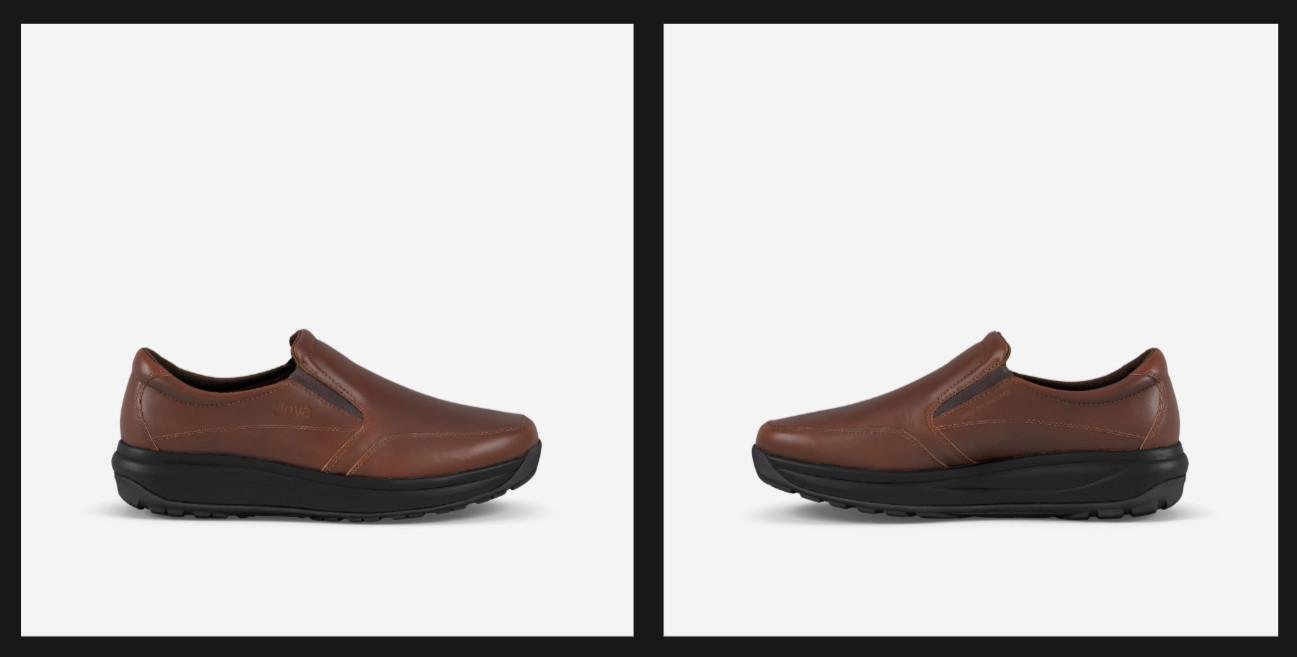
Studio packshots are clean product shots on white or neutral backgrounds used for marketplaces, catalogs, and PDPs. The focus is on accuracy and consistency. So, customers can clearly see the shape, materials, color, and sole details without distractions.
Lifestyle Imagery
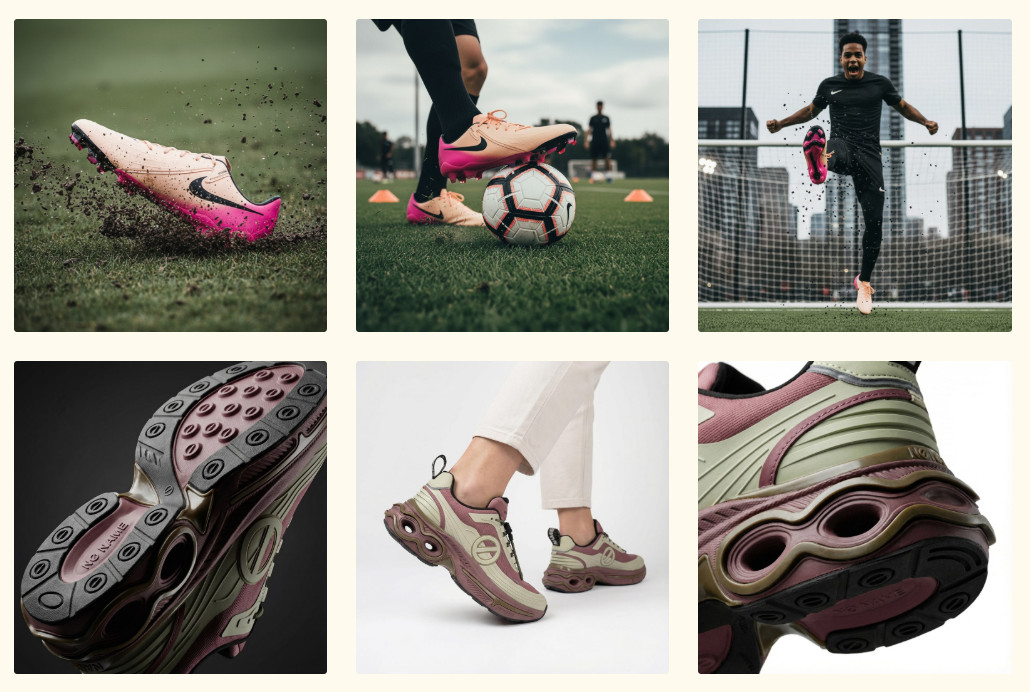
Shoes photographed in real environments or styled outfits to show how they look in use. Lifestyle photography helps customers better understand styling, scale, and brand identity than studio shots alone.
Motion-Focused Visuals
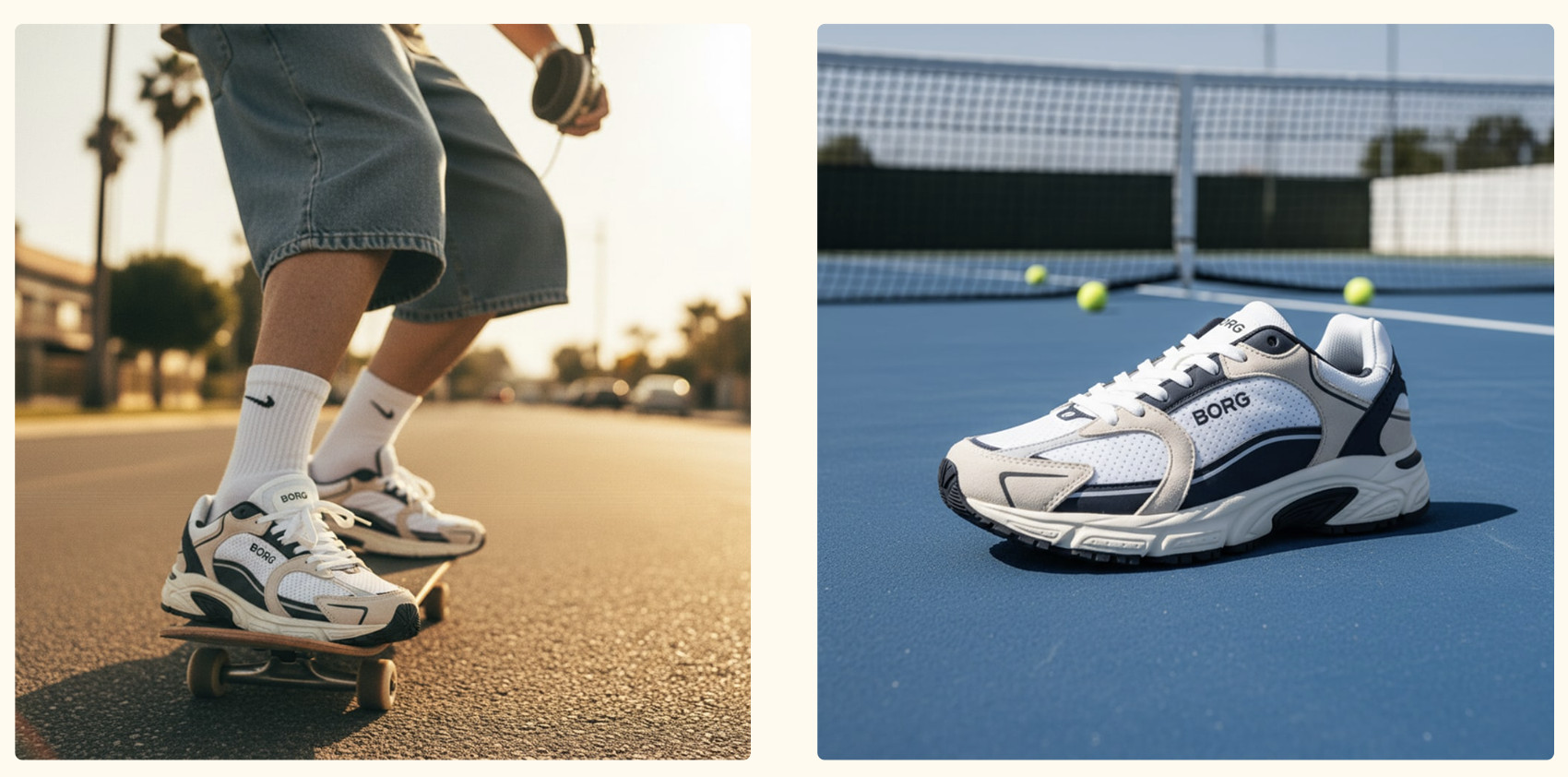
Walking, running, jumping, or movement-based photography is commonly used for sportswear and active footwear. Motion helps communicate flexibility, comfort, energy, and product function more effectively than static images.
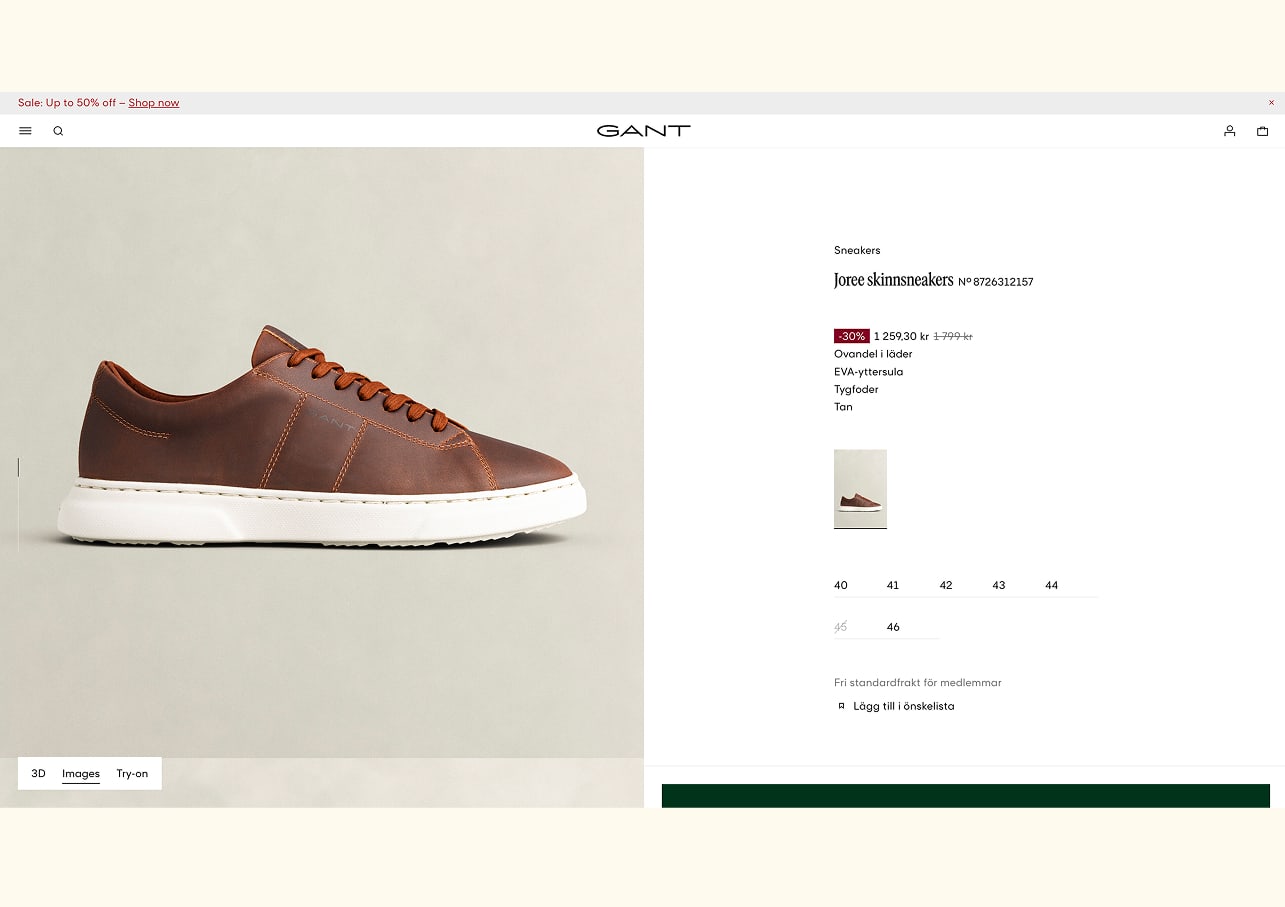
E-commerce PDP Shots
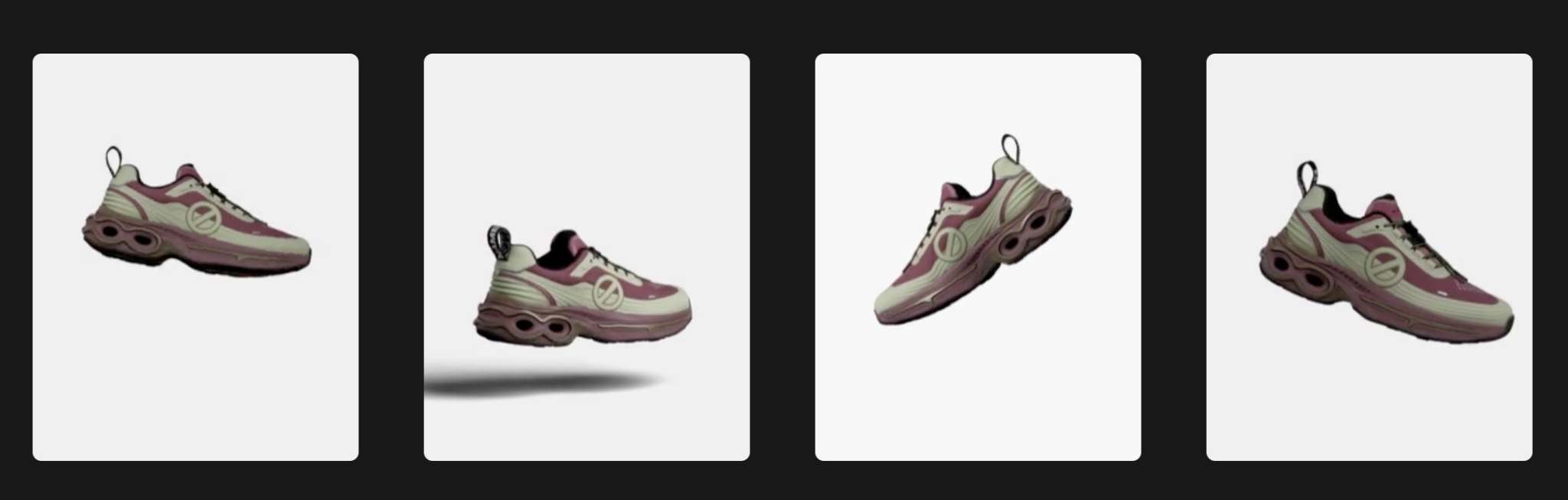
Structured product page imagery designed to reduce uncertainty before purchase. This usually includes side profiles, top views, heel shots, sole shots, close-ups, and angled ¾ views that show multiple parts of the shoe at once.
Social-First Content
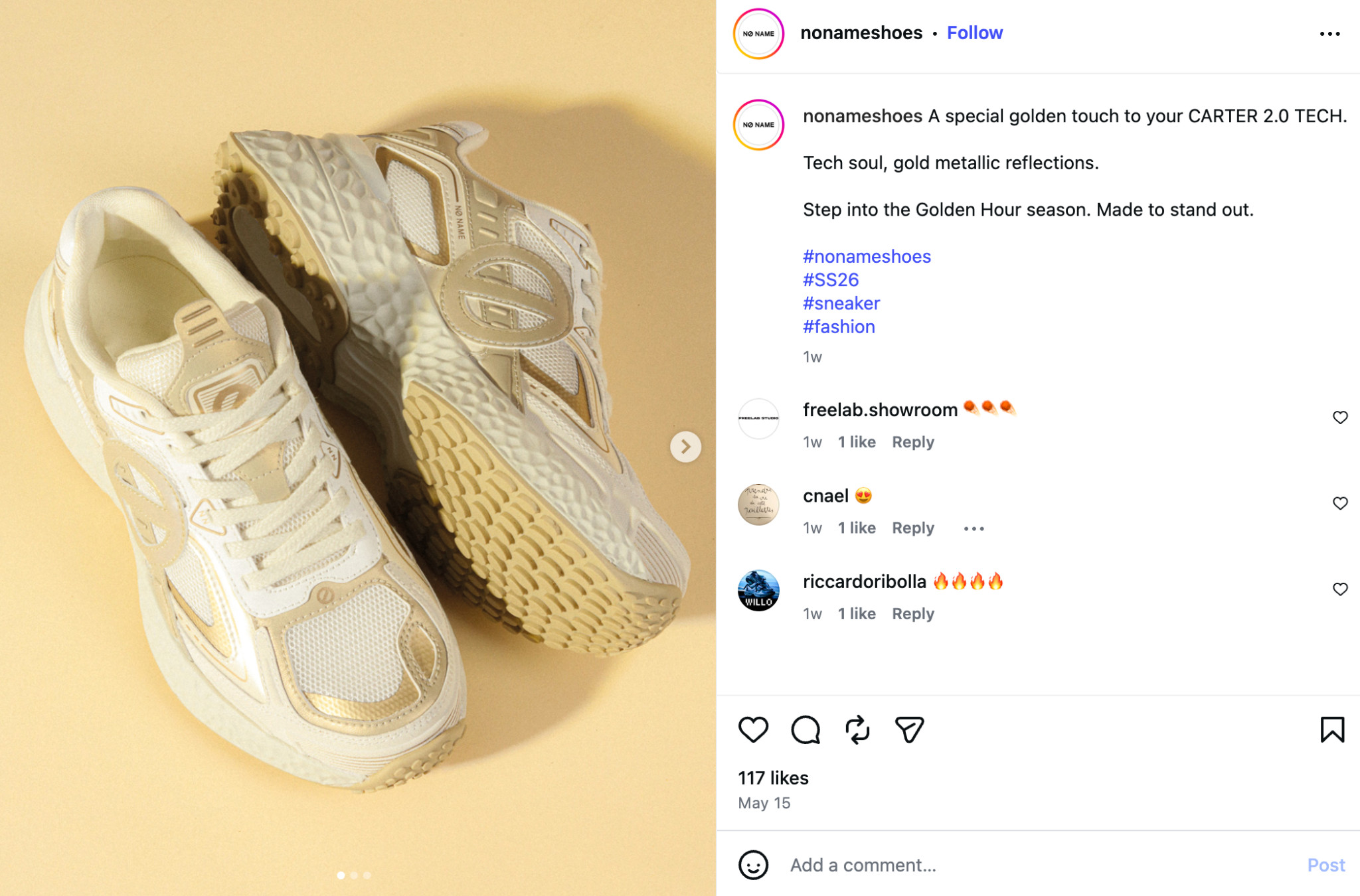
Content created specifically for Instagram, TikTok, and paid social. These visuals are usually more dynamic, trend-aware, vertically framed, and optimized to grab attention quickly in-feed.
Detail-Focused Shots
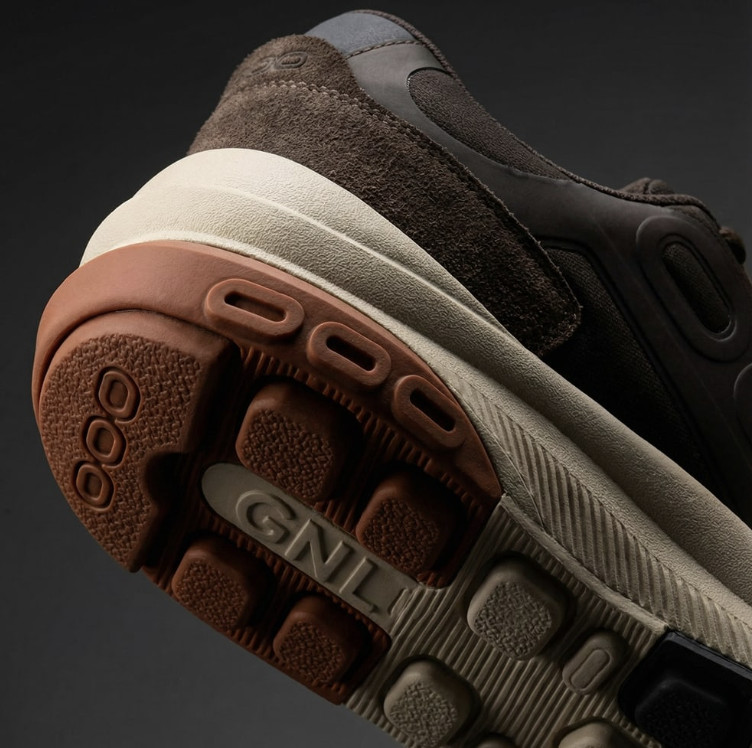
Close-up photography highlighting stitching, materials, tread patterns, cushioning systems, or branding elements. These images help customers evaluate quality and craftsmanship more confidently.
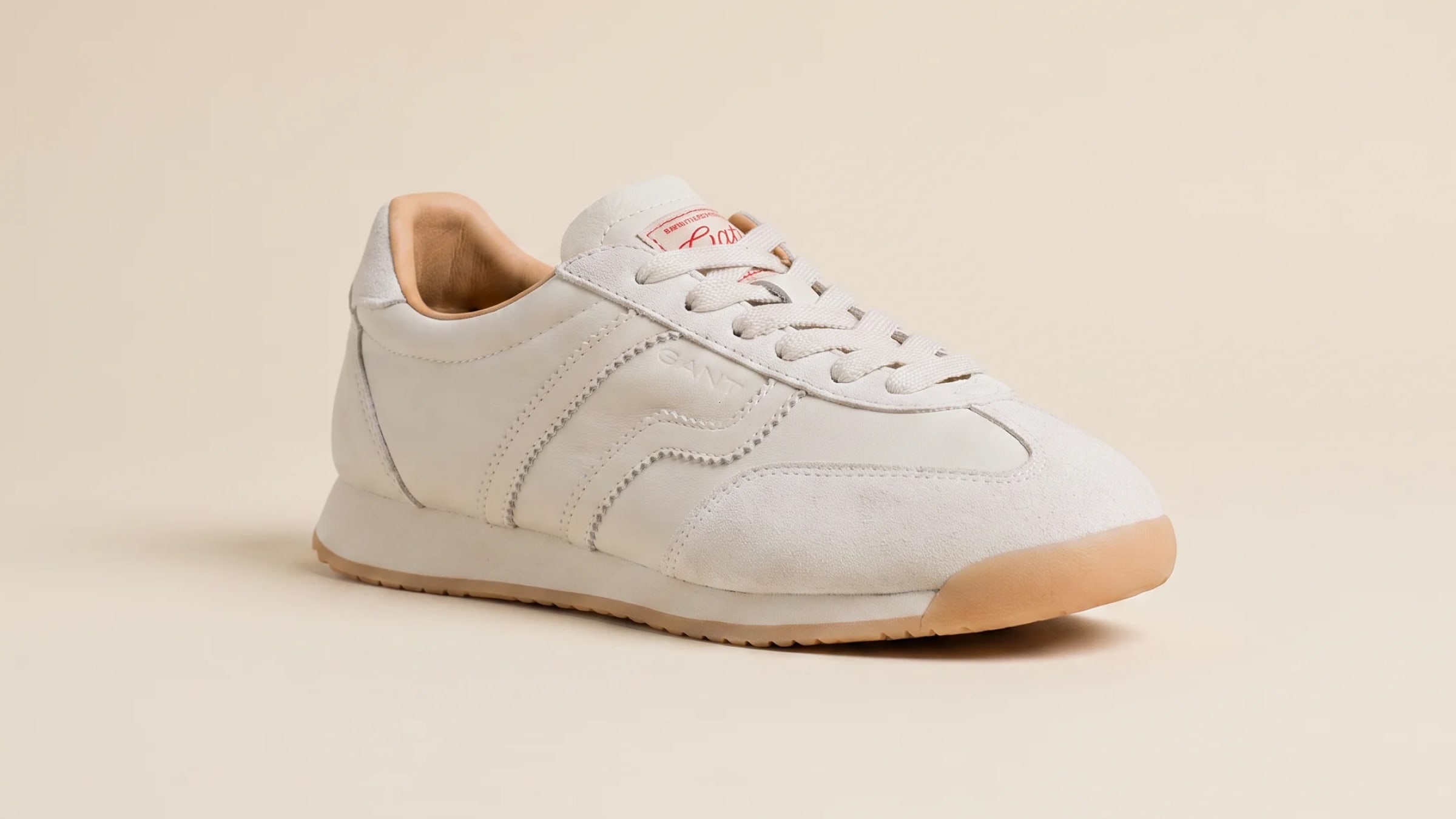
Minimalist Imagery
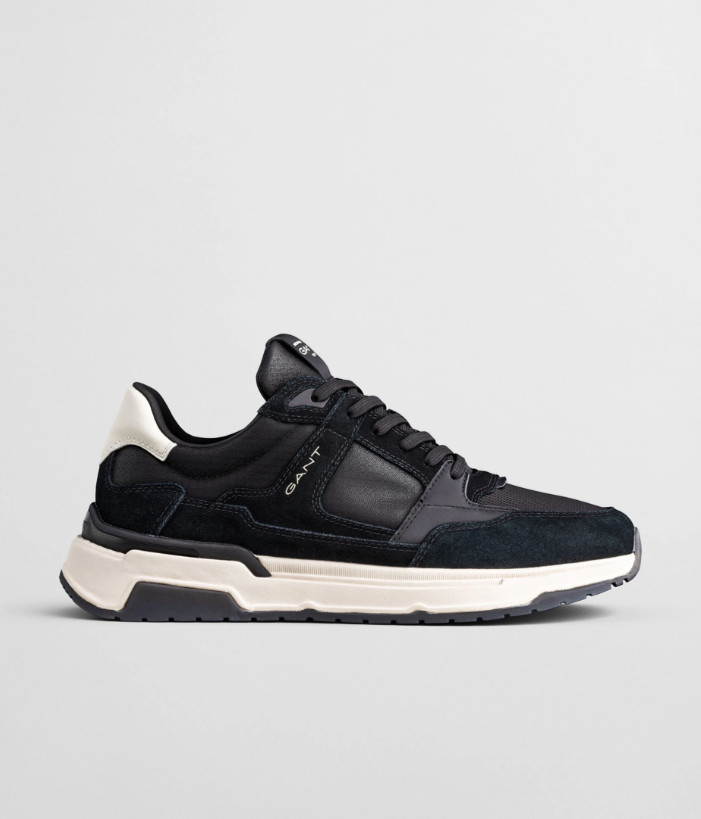
Simple compositions with limited props, clean backgrounds, and controlled color palettes. This style is common in premium and fashion-focused brands because it keeps attention on shape and materials.
Seasonal Campaigns
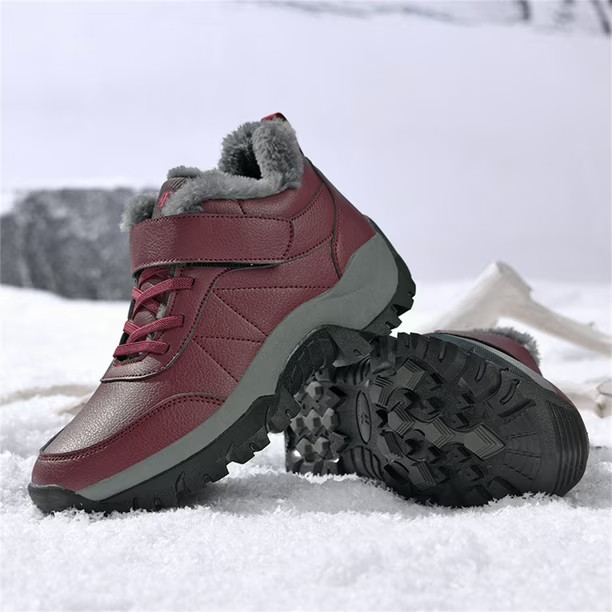
Photography is built around specific launches, weather conditions, or cultural moments such as summer drops, winter footwear, back-to-school campaigns, or holiday collections. These visuals are mainly used across homepage banners, ads, and email campaigns.
21 Shoe Photography Ideas Worth Stealing
Each idea below includes what the shot type is, why it works for e-commerce, and a real example to reference:
i) E-commerce and PDP Photography Ideas
These ideas help customers evaluate the shoe more clearly online through multiple angles, close-ups, and structured product views:
1. Floating Shoe Composition
Floating shoe photography places the shoe in mid-air against a clean background. It creates a more modern and dynamic look while keeping the focus entirely on the product.
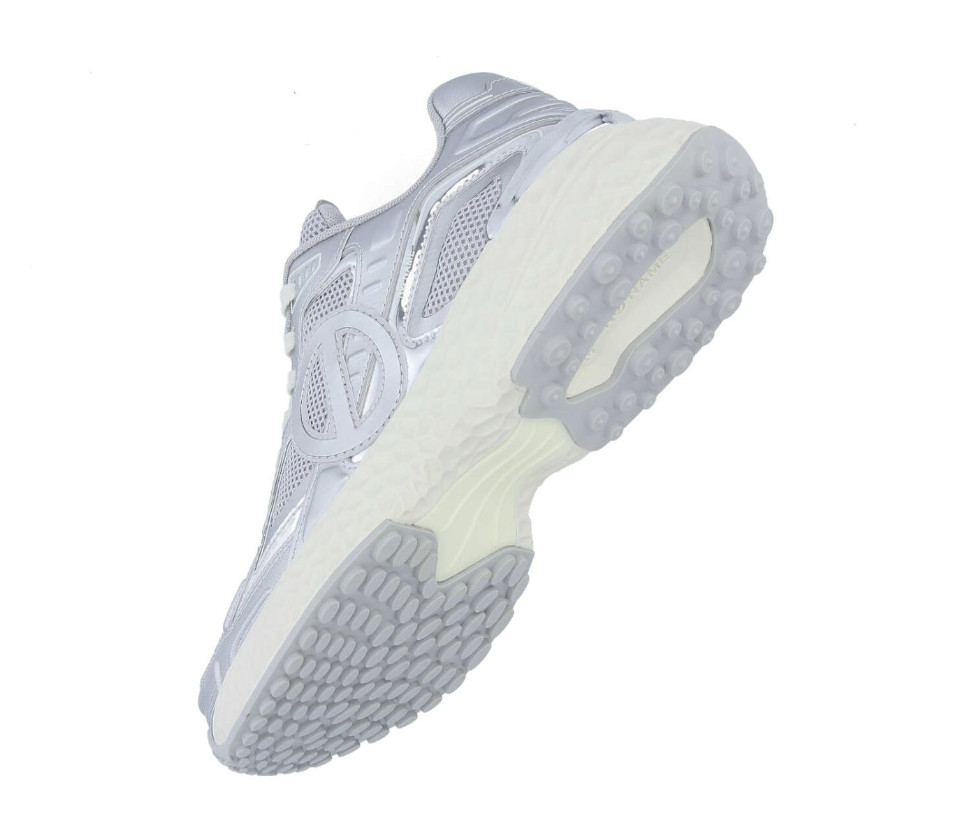
This style works especially well for footwear e-commerce because it clearly shows the shoe’s shape, sole, proportions, and materials without adding distractions. Compared to standard flat product shots, floating compositions feel more visually engaging while still keeping the product easy to evaluate.
Another advantage is scalability. Once the composition style is set, brands can reuse the same setup across different SKUs, colorways, and campaigns without creating entirely new concepts each time.
2. Exploded View
An exploded view separates the shoe into its individual components (upper, midsole layers, cushioning technology, and outsole) and spreads them apart. So, the buyer can see exactly what the shoe is made of and how it’s constructed.
This type of image works particularly well for performance and technical footwear, where construction quality and technology are part of the purchase decision.
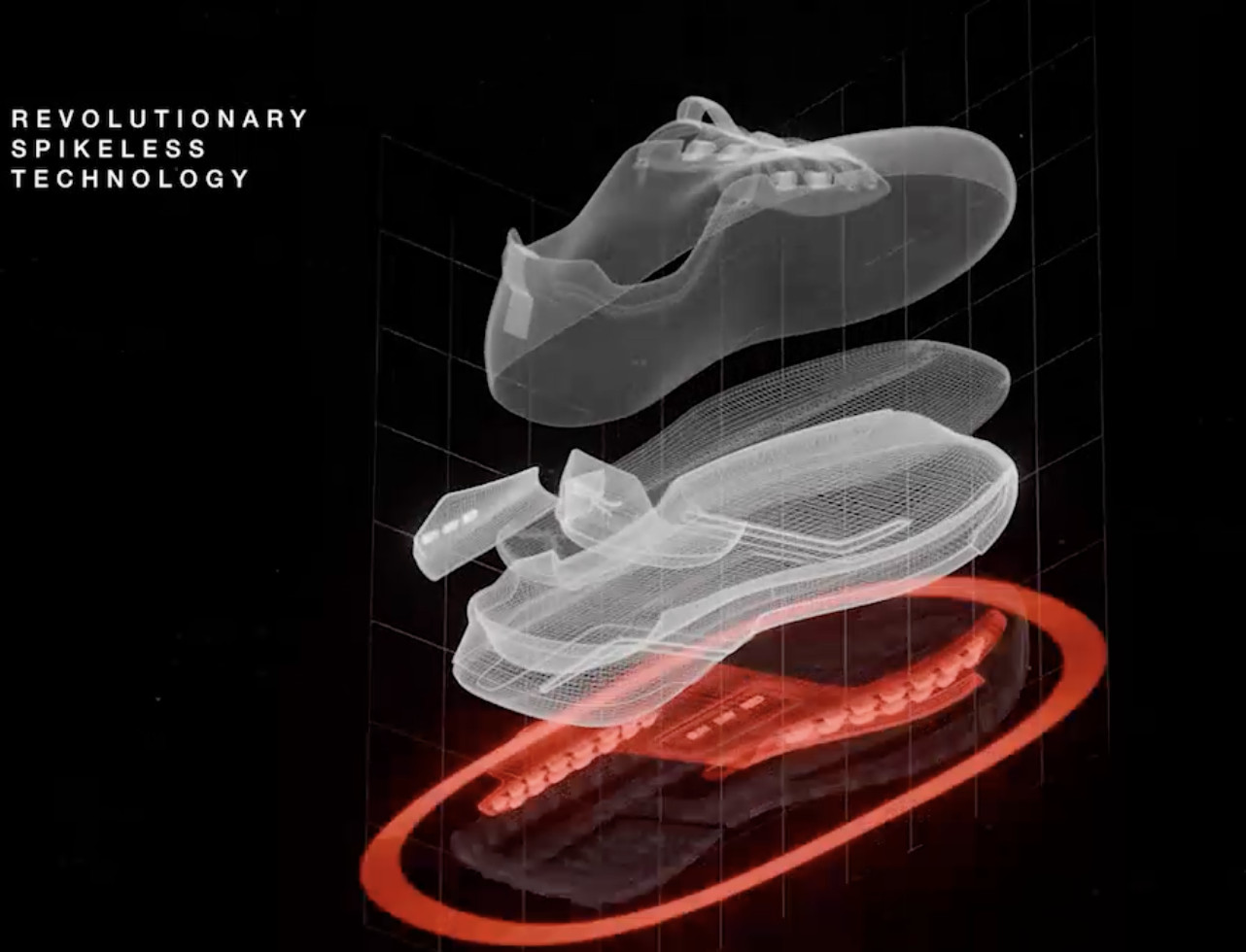
Producing this type of imagery traditionally requires either complex physical deconstruction of the product or CGI work. With a 3D asset, the same layers that make up the digital model can be separated and rendered as an exploded view.
3. Rotating 360-degree Angles
A 360-style shot shows the same shoe from multiple angles (front, side, back, sole) so buyers can see the full product without clicking through to separate images.
Most product pages show a side profile and maybe one or two additional angles. That leaves many questions unanswered. A heel construction detail or sole pattern can be the difference between a buyer converting or leaving.
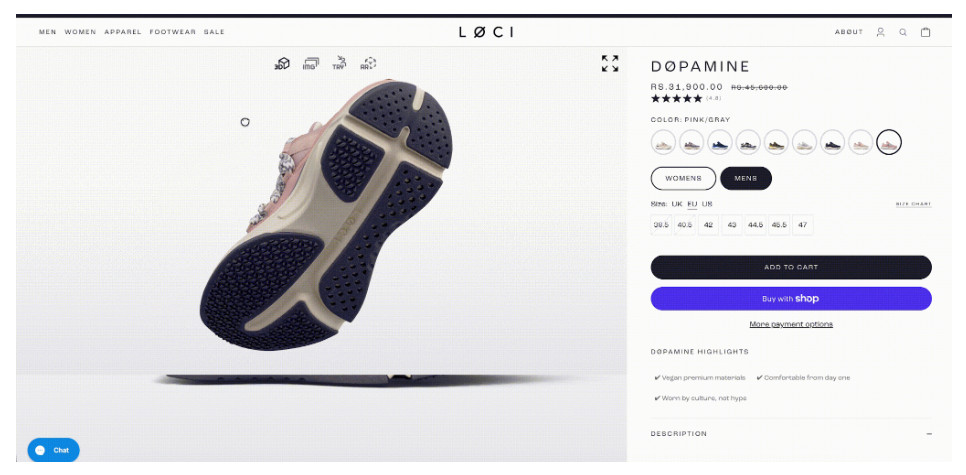
Some brands take it further by adding annotation points that highlight specific features as the shoe rotates, material callouts, technology zones, and construction details:
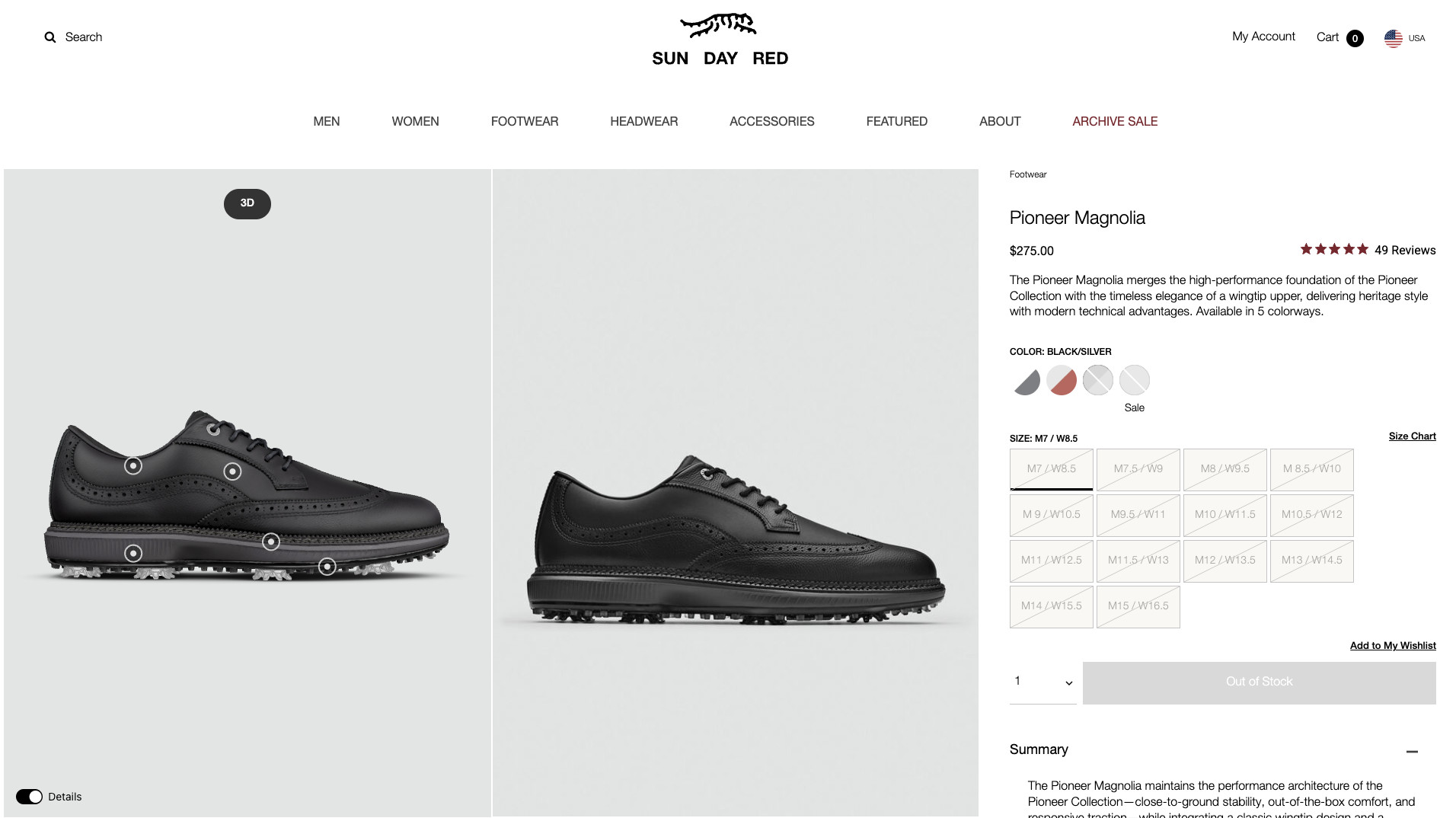
With 3D-powered AI, every angle generates from the same asset without any additional studio work.
4. Sole-focused Imagery
The sole is one of the most purchase-relevant parts of a shoe, especially for performance footwear. Yet, most product pages show it as a small secondary image, if at all. A dedicated sole shot makes it the hero of the frame.
For buyers evaluating grip, traction, cushioning technology, or construction quality, a clear sole image answers questions that a side profile never could.
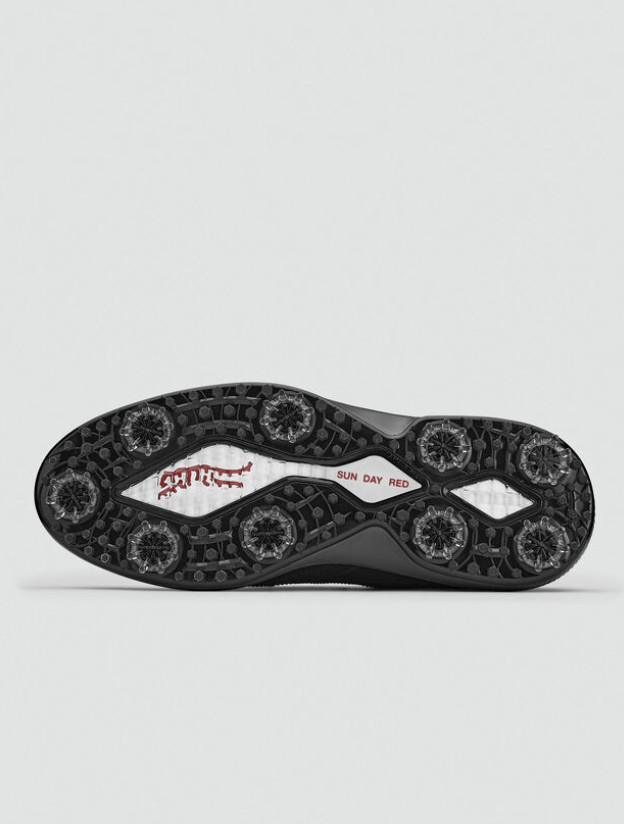
Taking it further, a close-up angle reveals the level of detail and engineering in the construction, the kind of detail that builds purchase confidence for performance-focused buyers.
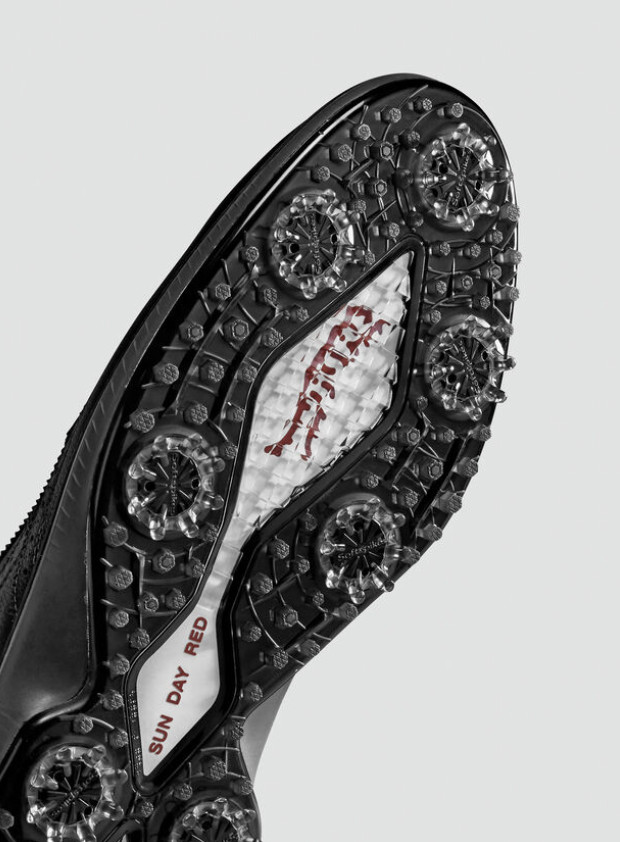
Traction, cushioning zones, and outsole engineering are selling points. Imagery is how you prove them.
5. Material Closeups
A material close-up pulls the camera tight on a specific part of the shoe (leather grain, mesh weave, hardware, embossed texture, or stitching), making it the entire focus of the frame.
For buyers who care about quality and craftsmanship, this type of image communicates what a full product shot never can.
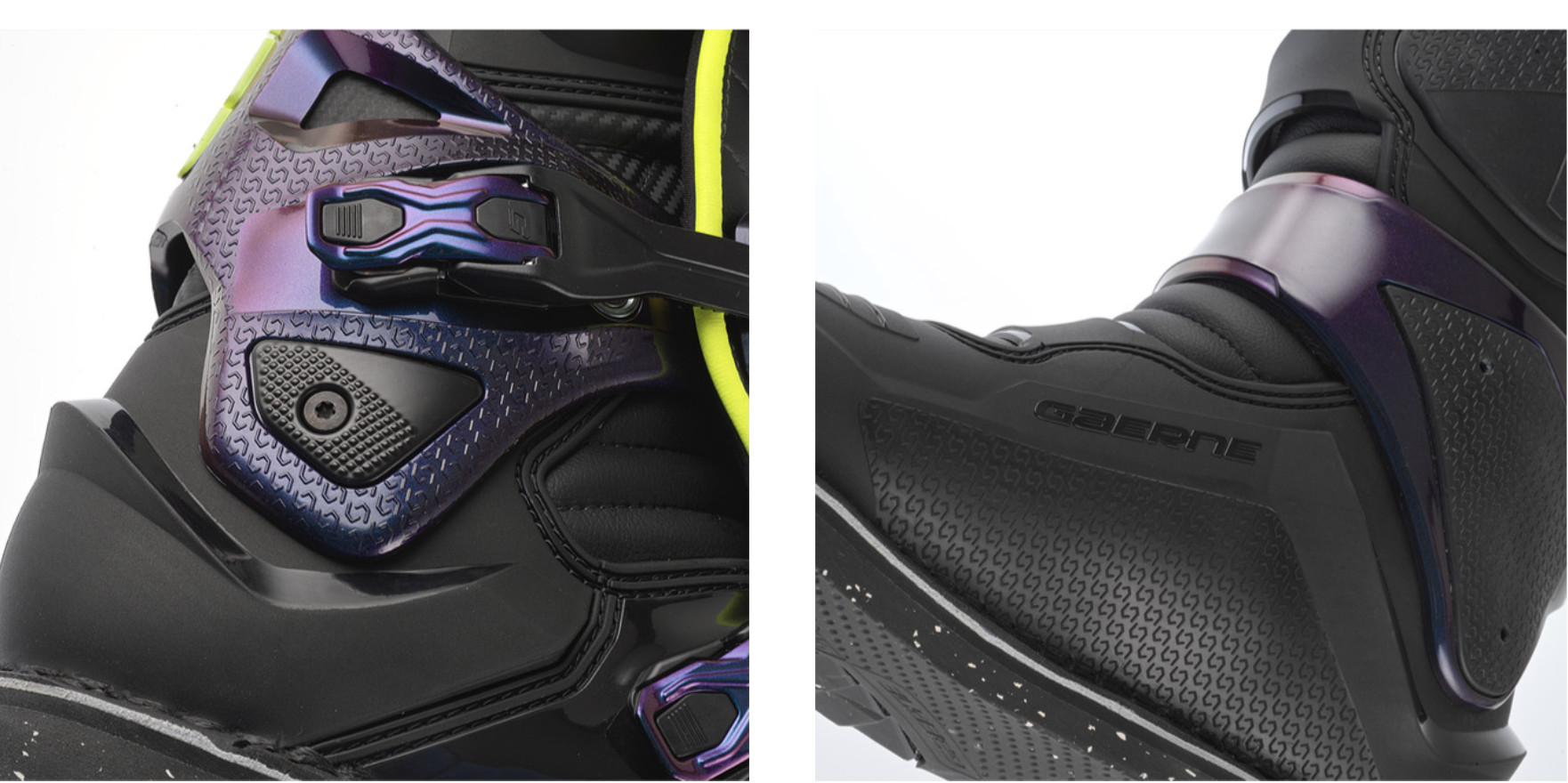
The iridescent color shift on the hardware and the embossed pattern on the rubber lower are both details that disappear in a standard product shot.
A close-up makes them impossible to miss, and for a buyer deciding between two similar products at a similar price, that level of detail is what tips the decision.
ii) Lifestyle and Campaign Photography Ideas
Lifestyle-focused visuals show the shoe in real environments, helping customers understand styling, use case, and brand identity. Here are the ideas:
6. Urban Streetwear Scenes
Urban streetwear photography places the shoe in urban environments such as sidewalks, parking garages, rooftops, subway stations, and downtown streets. It makes the product feel like part of a real lifestyle rather than a studio setup.
This style works especially well for sneakers and casual footwear. This is because buyers care about how the shoe looks with outfits and in everyday settings, not just on a white background.
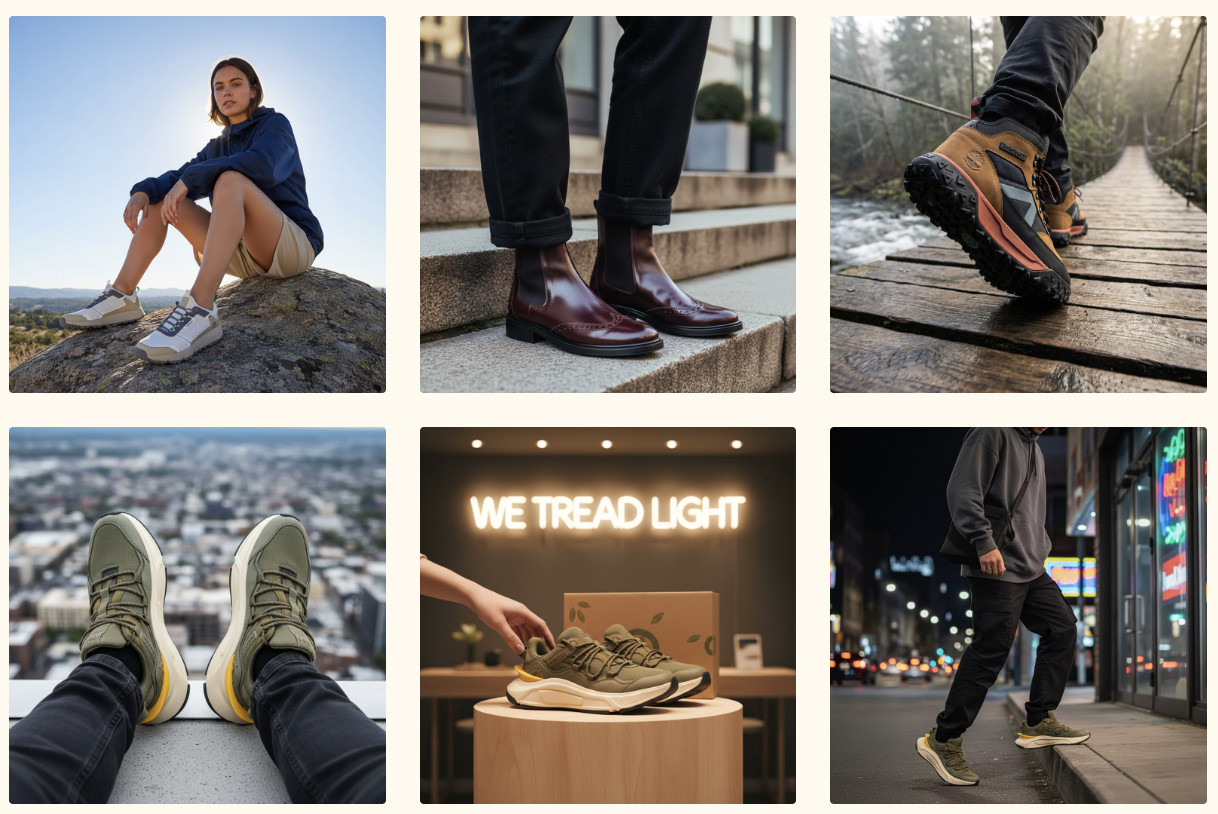
Streetwear scenes also perform strongly on social media and paid ads because they feel more natural and less like traditional e-commerce photography.
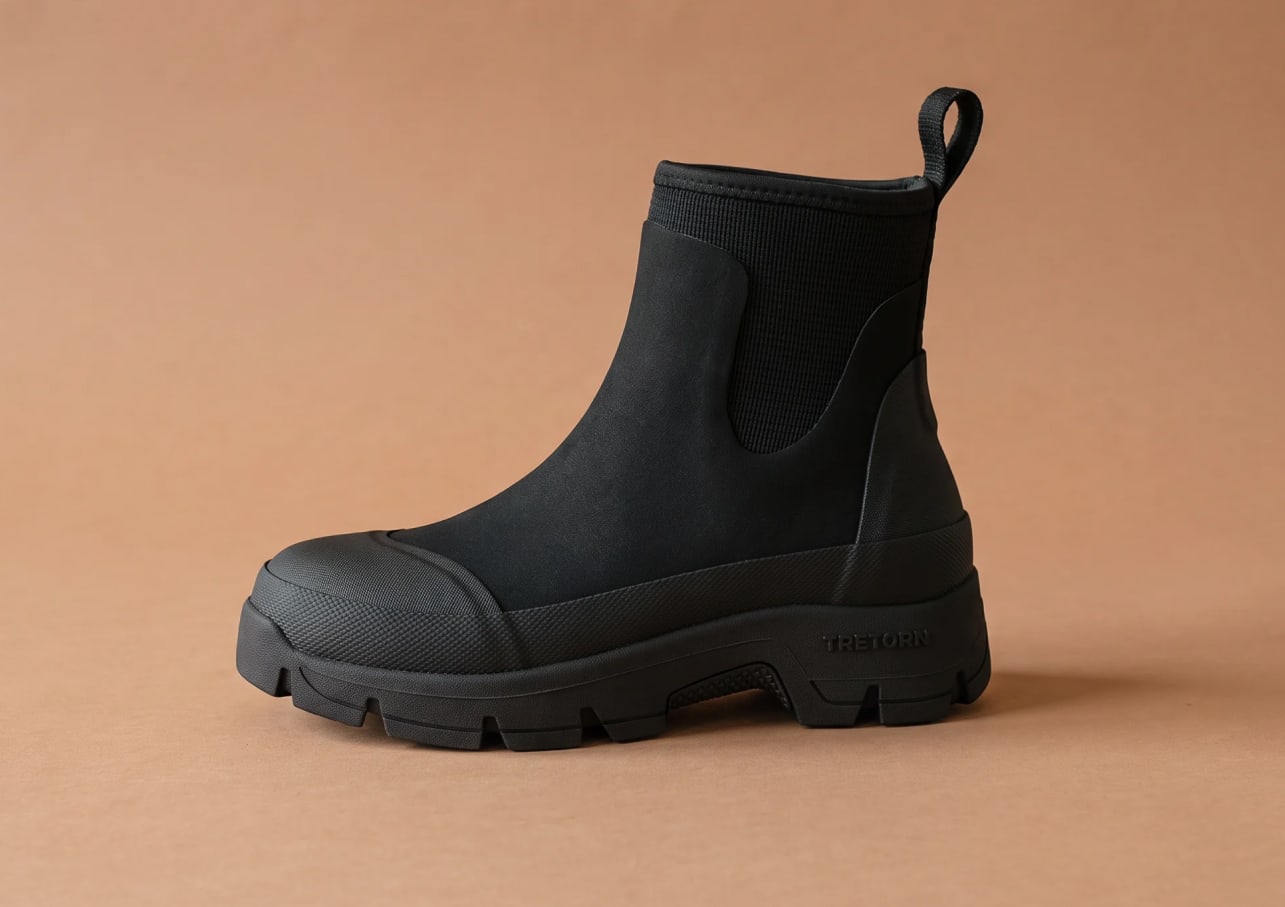
7. Studio Shadow Setups
A shadow setup uses directional lighting to cast a bold, intentional shadow from the shoe onto a clean background. The shadow becomes part of the composition, adding depth and visual interest without any environmental context.
It works particularly well for minimal and premium footwear where the product design is strong enough to carry the image on its own. Besides, the shadow adds drama without adding clutter.
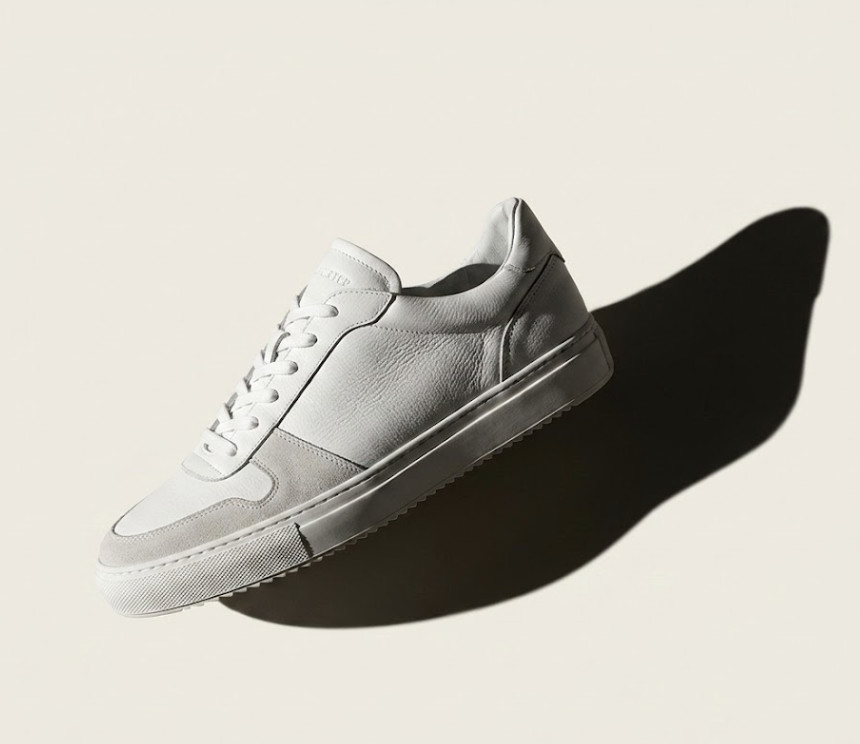
The effect is simple to describe but difficult to execute consistently across a large catalog. Light angle, intensity, and shadow direction must all be precisely controlled and repeatable for every SKU.
8. Sports Environment Shots
A sports environment shot places the shoe in the specific activity context it was designed for. For instance, for a golf course, a running track, a basketball court, or a hiking trail. It answers the buyer’s unspoken question: Does this shoe actually belong in the environment I’ll be using it in?
For performance footwear, especially, context sells the product in a way that a studio shot can’t. A golf shoe on a putting green with real grass, real turf, and real players in the frame immediately communicates performance credibility.
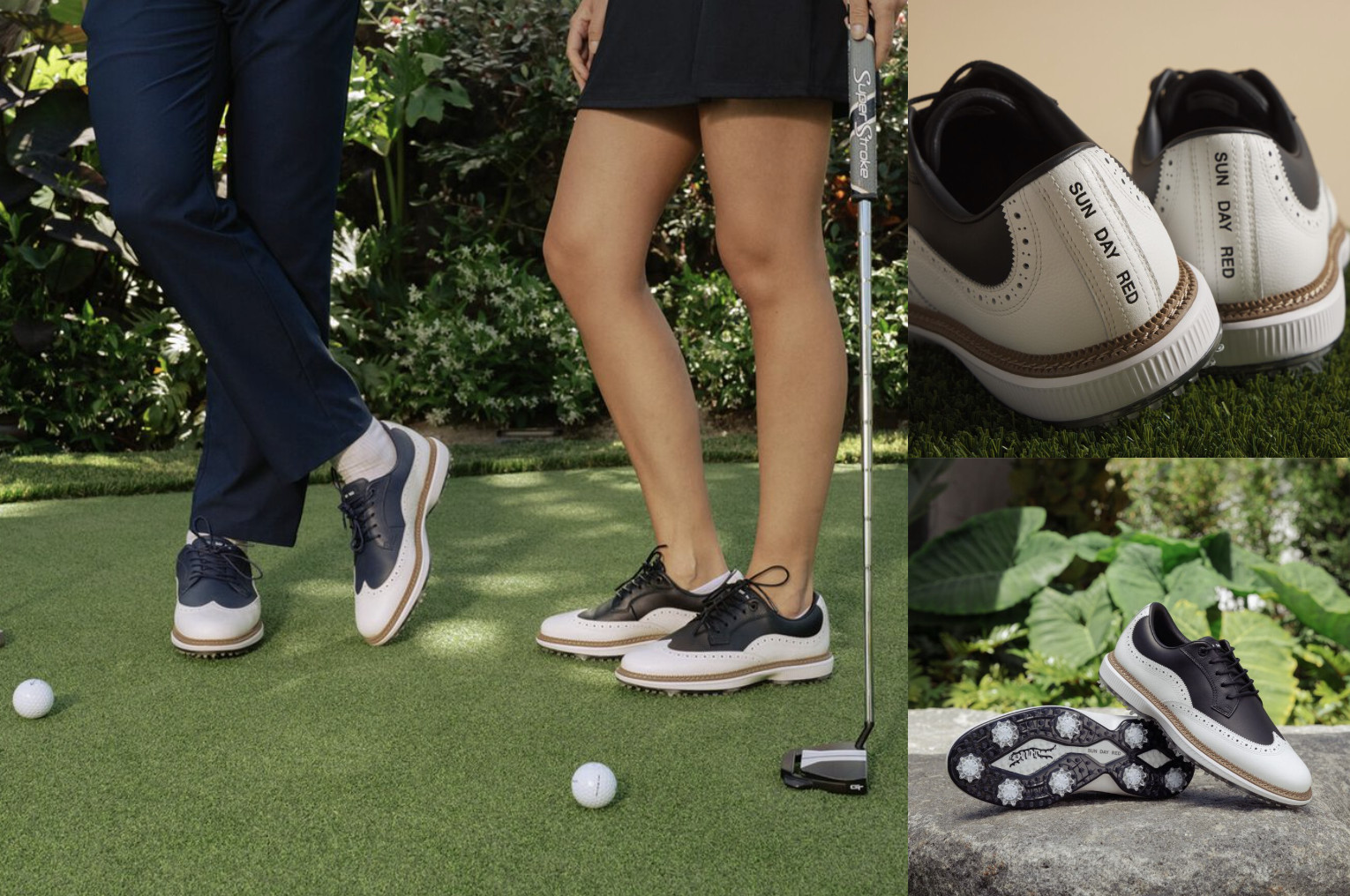
The combination of worn-in-use imagery and product detail shots in the same frame is particularly effective. It gives buyers both the aspirational context and the product specifics they need to make a confident decision.
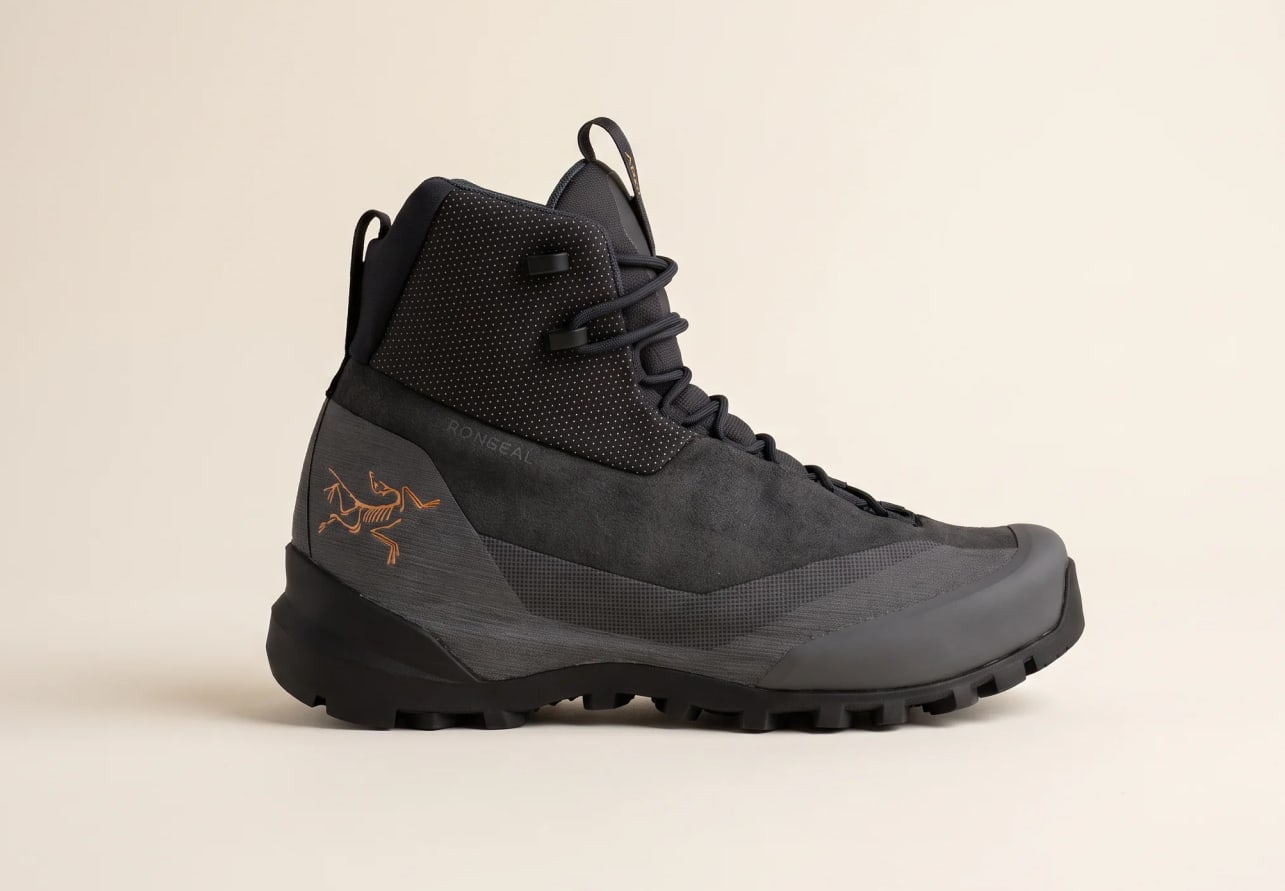
9. Minimal Monochrome Backgrounds
A monochrome background shot places the shoe against a backdrop that is in the same color family as the shoe itself. The background is matched closely enough in tone that the shoe blends into its surroundings rather than standing out through contrast.
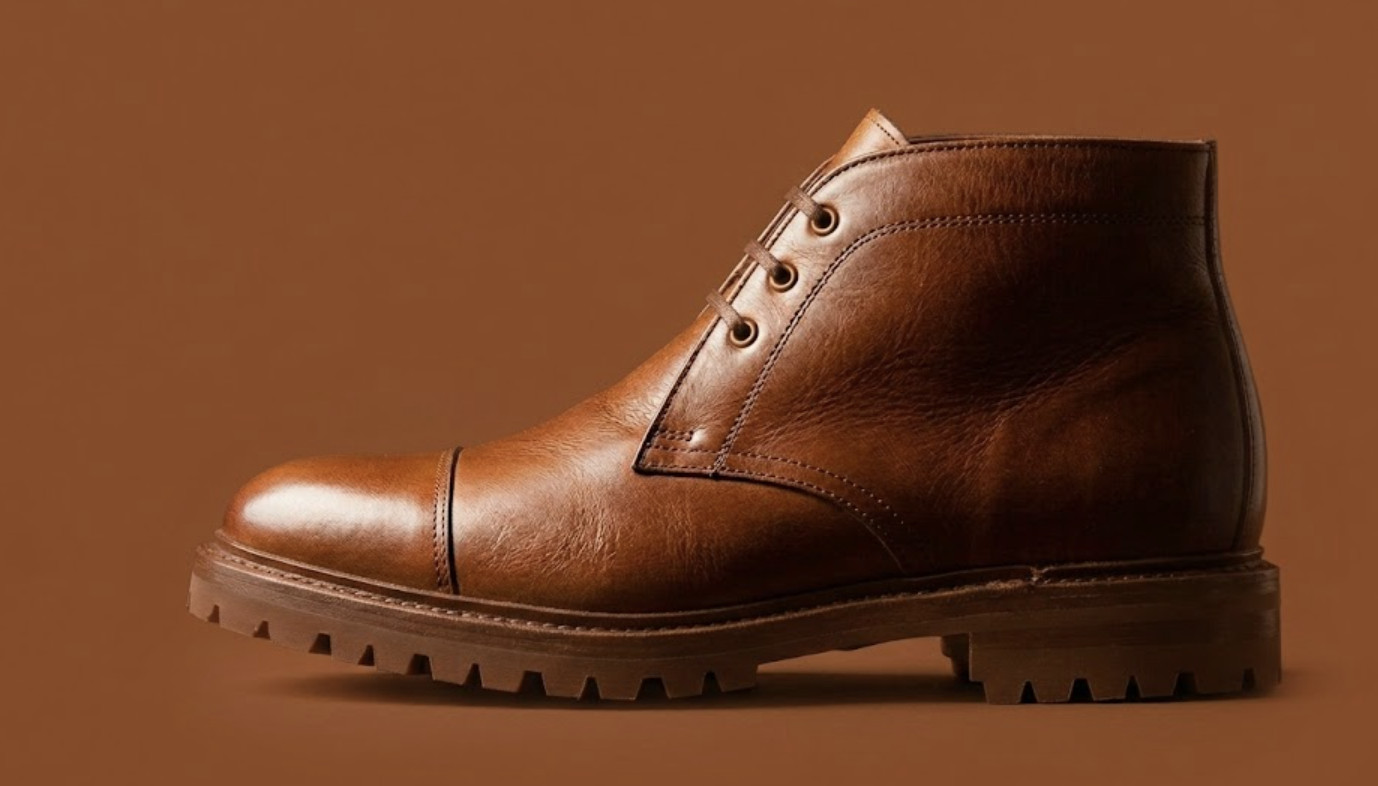
This works well for footwear brands with strong colorways because it reinforces the product’s color story in a way a white or grey background never could. The buyer sees the shoe and its color as a single, cohesive idea rather than a product set against a backdrop.
10. Seasonal Environments
A seasonal environment shot places the shoe in a context specific to a time of year. For instance, snow in winter, dry trails in summer, and wet streets in autumn. It connects the product to the buyer’s immediate need rather than a generic lifestyle moment.
For footwear with a clear seasonal use case, this type of imagery does more selling work than any other format. A buyer shopping for ski boots in December is not inspired by a studio shot. They want to see the boot performing in the environment they’re about to use it in.
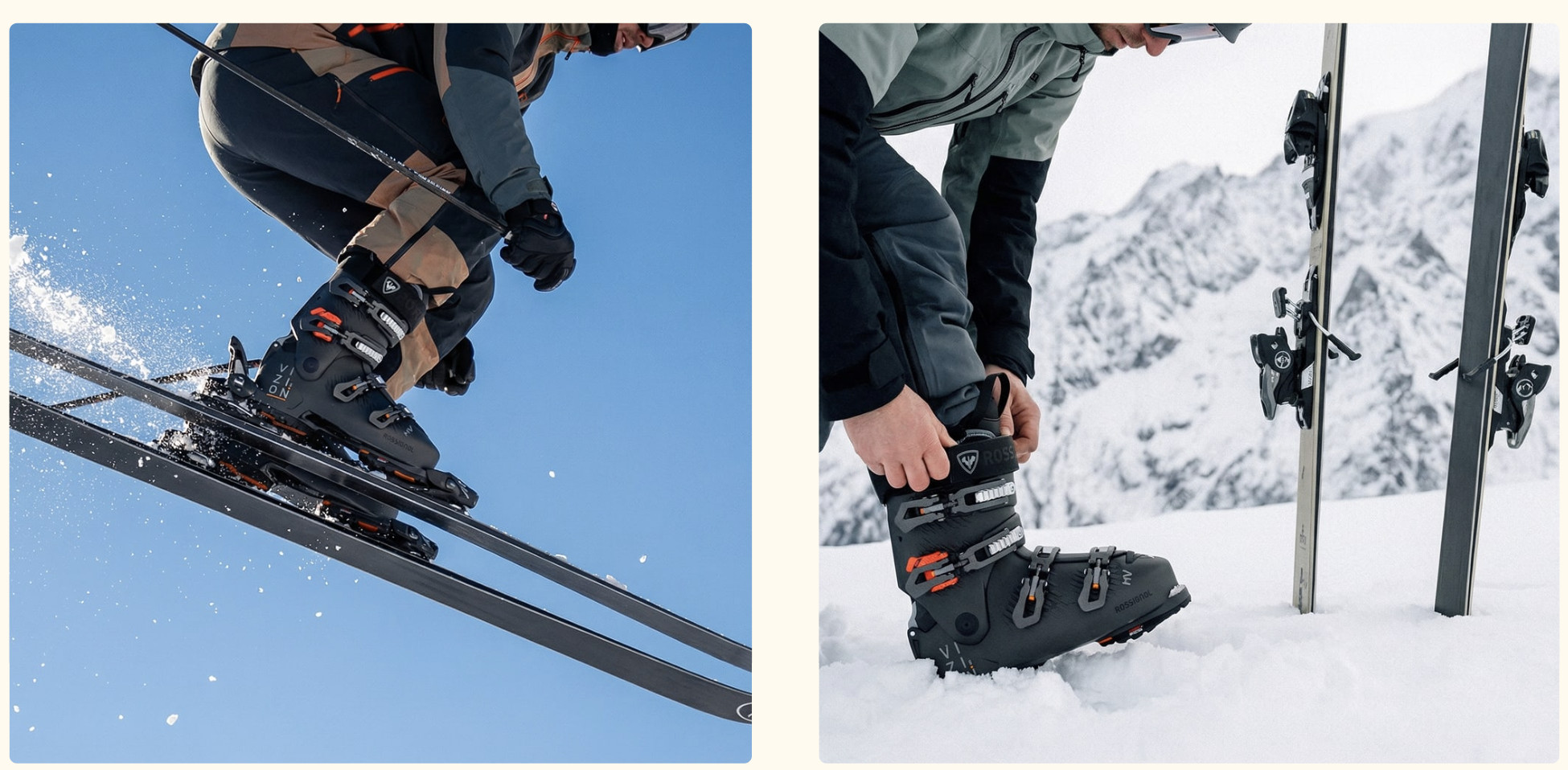
The two panels together show the same product at two different moments within the same seasonal context: active performance and pre-activity preparation. Both are relevant to the buyer’s decision, and both are impossible to communicate on a white background.
iii) Motion and Action Concepts
Motion-based photography adds energy and helps communicate comfort, flexibility, speed, and performance more naturally. Here are some ideas:
11. Mid-air Motion Shots
A mid-air motion shot captures the shoe suspended in midair with real movement energy behind it, tilted, rotated, and with laces flying. It’s the opposite of a controlled studio float. The composition should feel like a frozen moment from something that was actually moving.
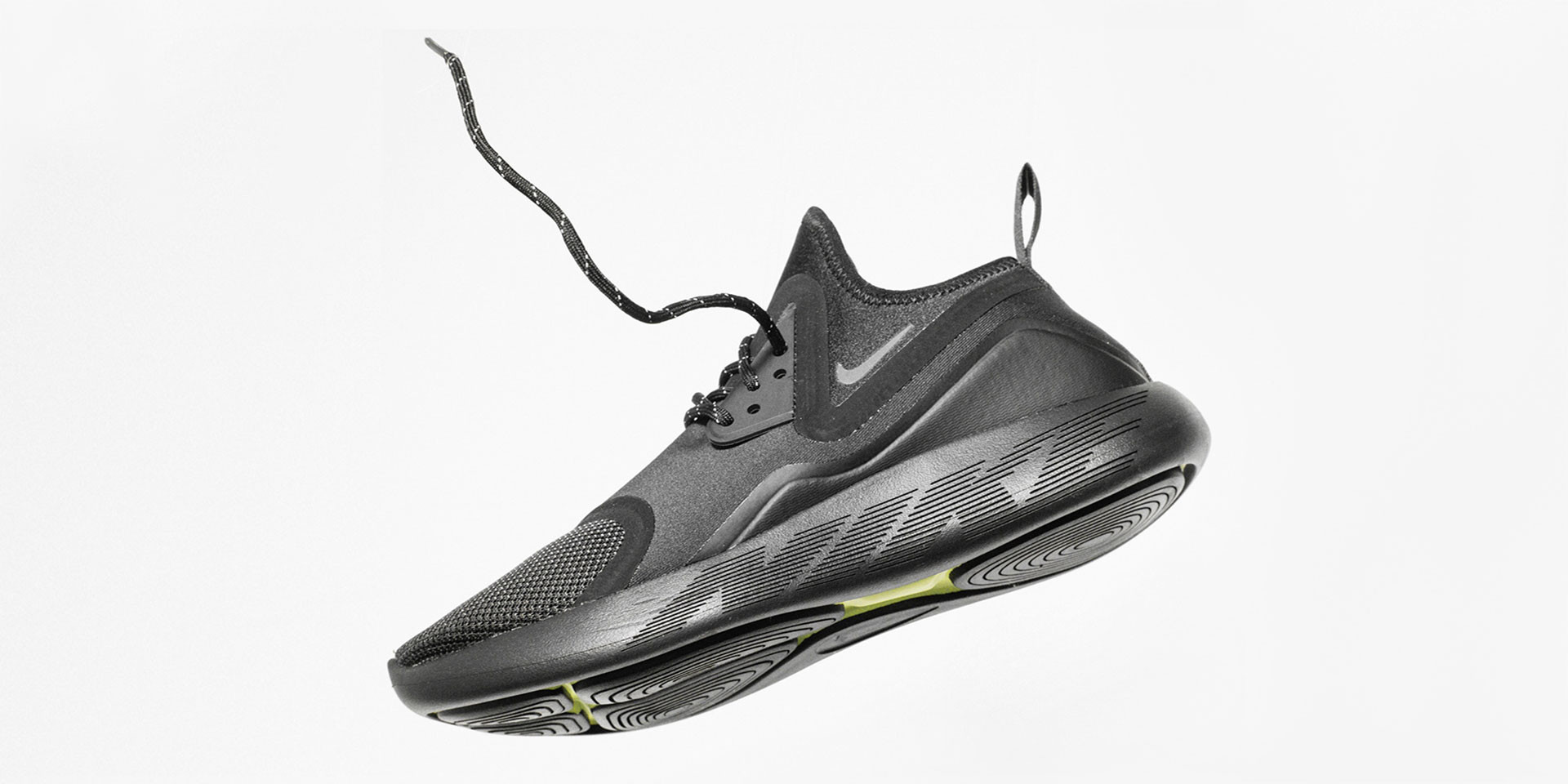
This works well for casual, athletic, and lifestyle footwear where energy and spontaneity are part of the brand personality. The dynamic tilt angle conveys movement, while the exposed sole provides buyers with a clear view of the outsole construction.
12. Walking Sequences
A walking sequence captures the shoe in natural motion, mid-stride, foot lifted, and weight transferring. It shows how the shoe moves and sits on the foot during actual use. A walking sequence is one of the most purchase-relevant shots for everyday and lifestyle footwear. It answers a question no static image can: how does this shoe look when I’m actually wearing it?
A side-on walking shot at foot level shows the shoe’s profile, fit, and movement all at once. While a wider frame that includes the full body adds context to the outfit and shows proportions.
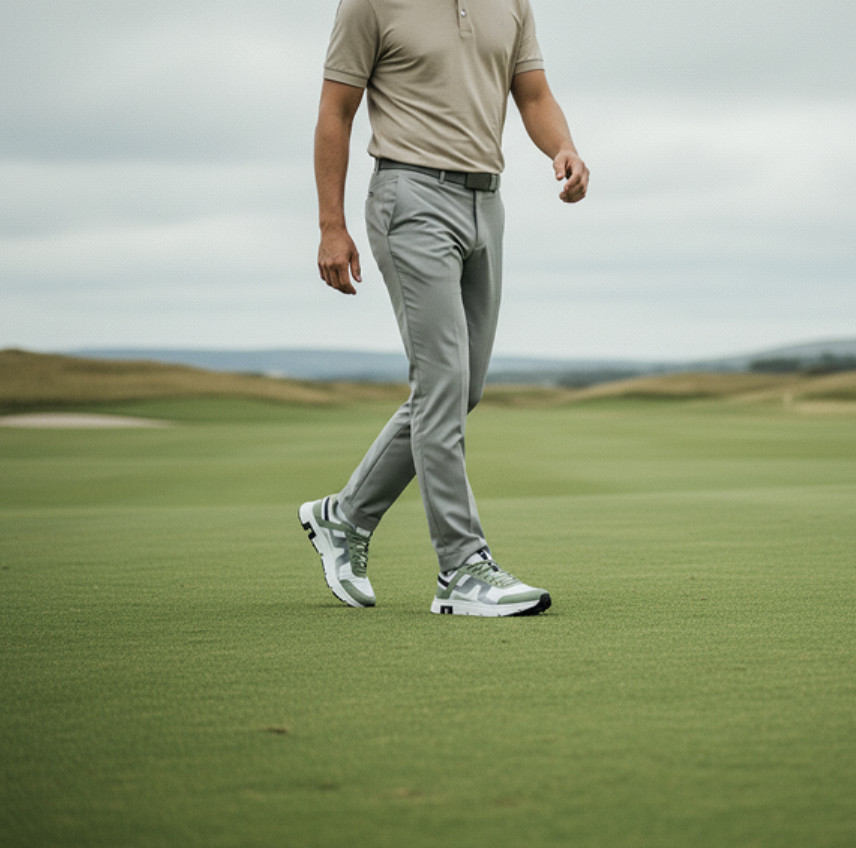
The environment here does double duty. A golf course setting qualifies the shoe for a specific buyer context, while the walking motion shows the product performing naturally in that setting.
13. Dynamic Lacing Visuals
A lacing-focused shot captures either the detail of the lace pattern and eyelets up close, or the active moment of someone tying their shoes. Both communicate craftsmanship and quality in a way that a standard product shot never can.
The hands-on version is particularly effective. It’s intimate, human, and shows the shoe in a real pre-wear moment that buyers can picture themselves in.
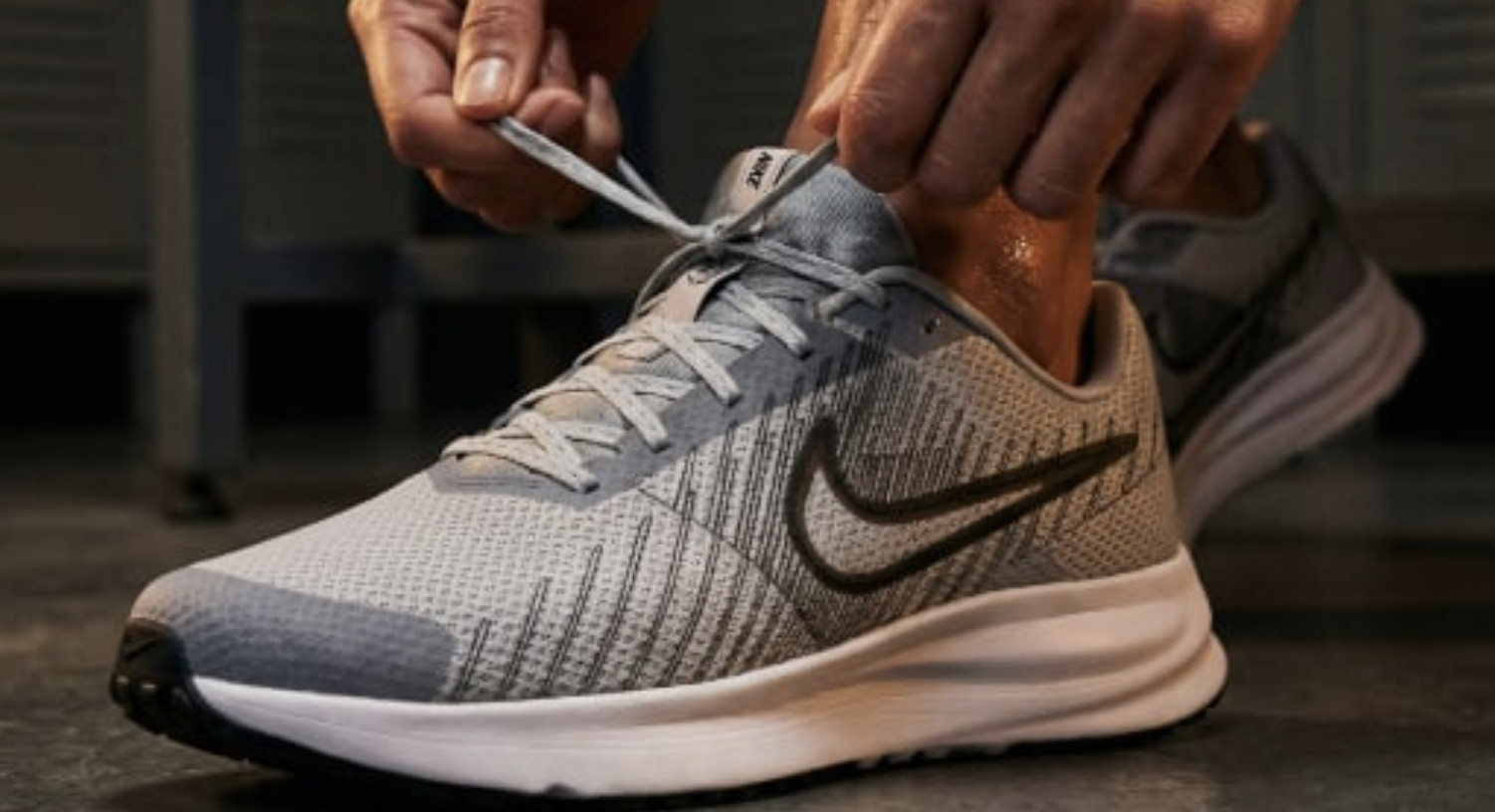
For buyers evaluating quality before purchasing, this type of image does more work than a product description.
14. Running Movement Blur
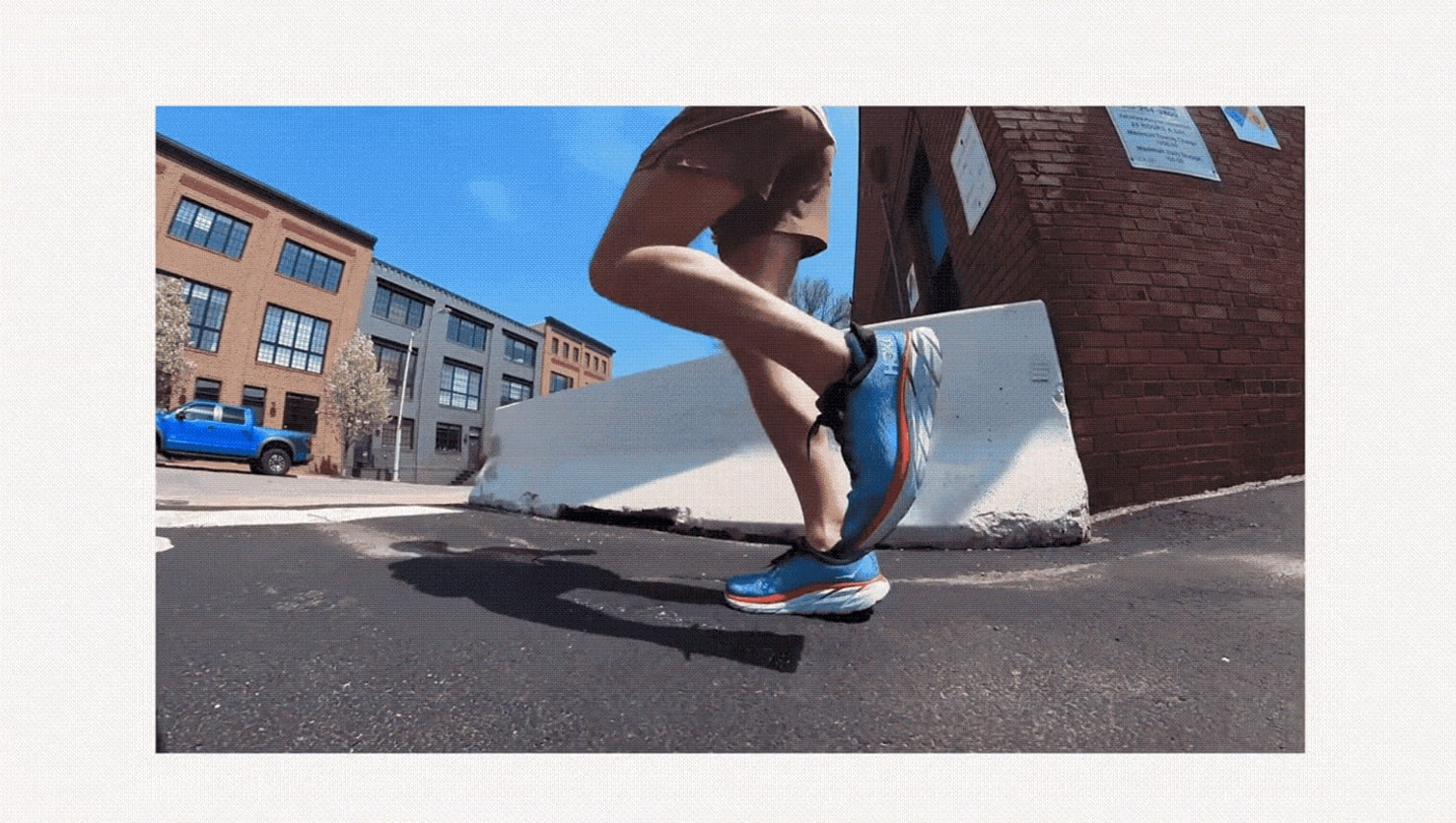
A running shot captures the shoe mid-stride at ground level, at a low angle, pushing off the surface, legs in motion. It’s the most direct way to communicate the credibility of performance in running and athletic footwear because it shows the shoe doing exactly what it was built for.
The low angle is what makes this format work. Shooting from ground level puts the shoe at the center of the frame and makes the movement feel powerful and immediate.
iv) Social Media and Ad Creative Ideas
These concepts are designed for fast attention on platforms like Instagram, TikTok, and paid social, where visuals need to stand out quickly:
15. TikTok-style Vertical Crops
Most e-commerce product imagery is shot in landscape or square format, optimized for desktop product pages and horizontal layouts. But a significant and growing portion of footwear discovery happens on TikTok, Instagram Reels, and Stories, where the screen is vertical.
A vertical crop shot is composed specifically for that format, portrait orientation, with a clear focal point, designed to fill a phone screen and stop a scroll. The composition, lighting, and energy are all calibrated for mobile-first consumption rather than desktop browsing.
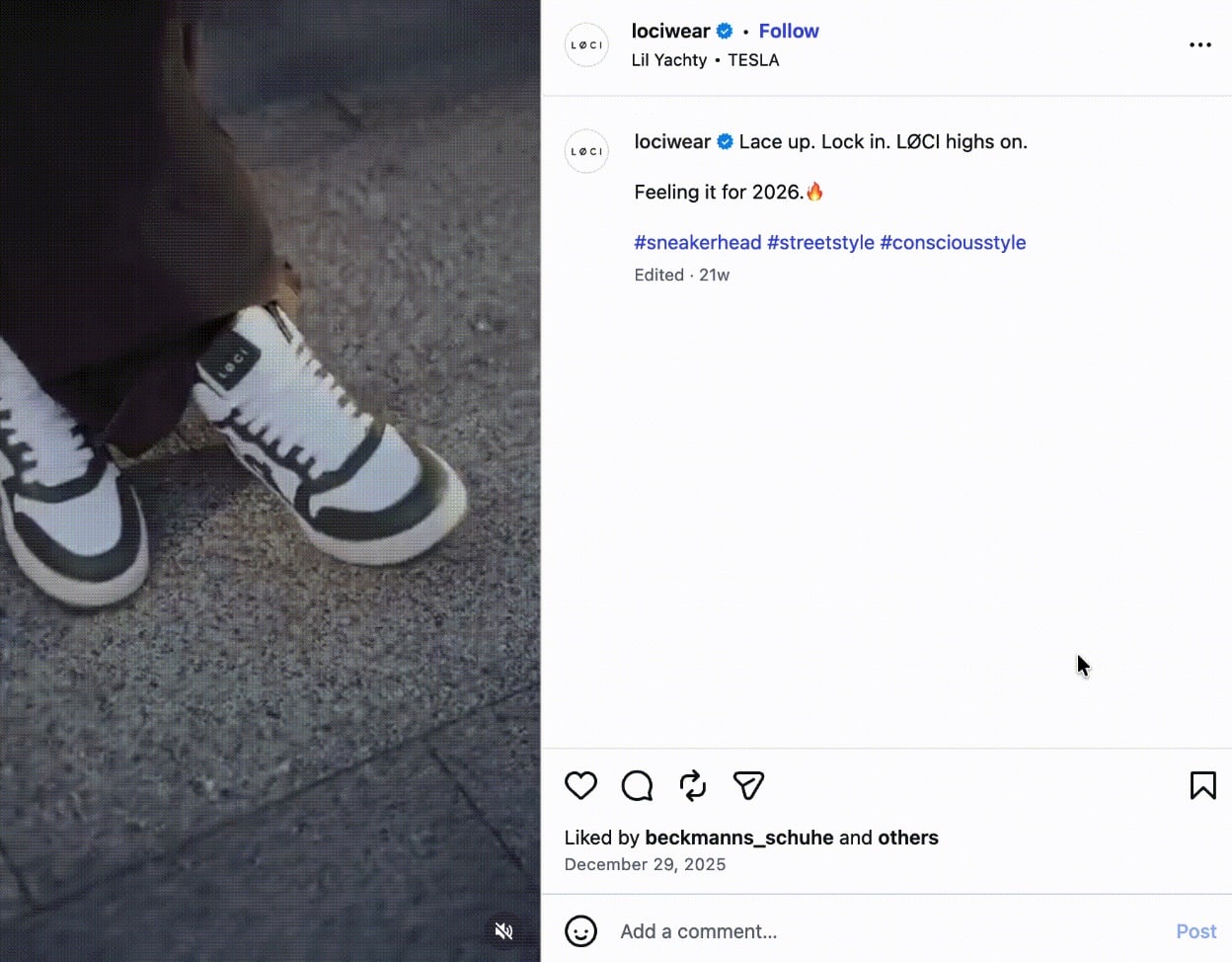
The same product imagery that works on a product page rarely translates well to social media. Brands that shoot specifically for vertical formats see stronger engagement because the content feels native to the platform rather than repurposed from elsewhere.
16. Split-screen Product Comparisons
A split-screen comparison divides the frame into two halves, each showing the same shoe in a different colorway, material, or finish. It gives buyers a direct side-by-side view of options they would otherwise have to toggle between on a product page.
For brands with multiple colorways of the same silhouette, this format reduces decision friction. Instead of clicking back and forth between product variants, the buyer sees both options simultaneously and can make a faster, more confident choice.
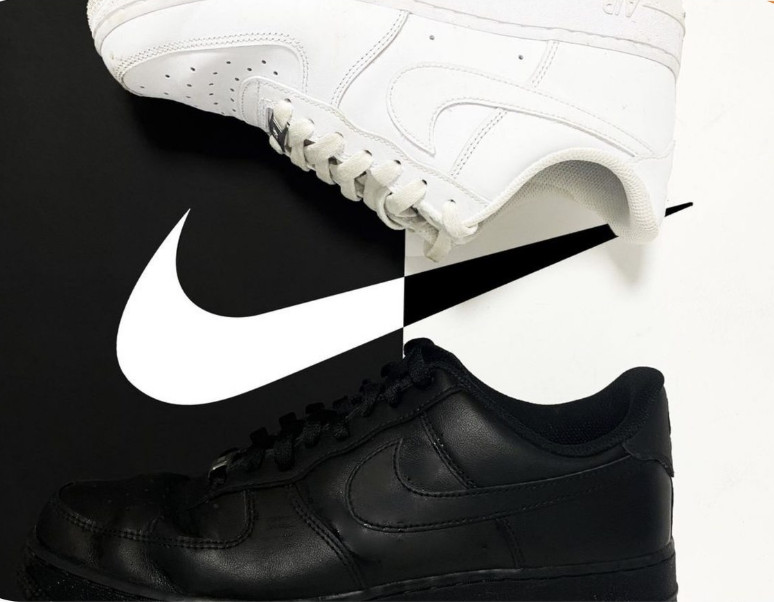
The same approach works for material comparisons, where the visual difference between two options is the key purchase consideration.
17. Bold Color-block Compositions
A color-block composition divides the background into two or more solid geometric color sections, with high contrast, hard edges, no gradients, or textures. The shoe sits at the intersection, framed by the color divide, and the format is graphic and immediate.
Where a standard product shot asks the buyer to focus on the product, a color-block composition stops the scroll before the buyer even registers what the product is. It works particularly well for paid social and display advertising, where the image’s primary job is attention, not information.
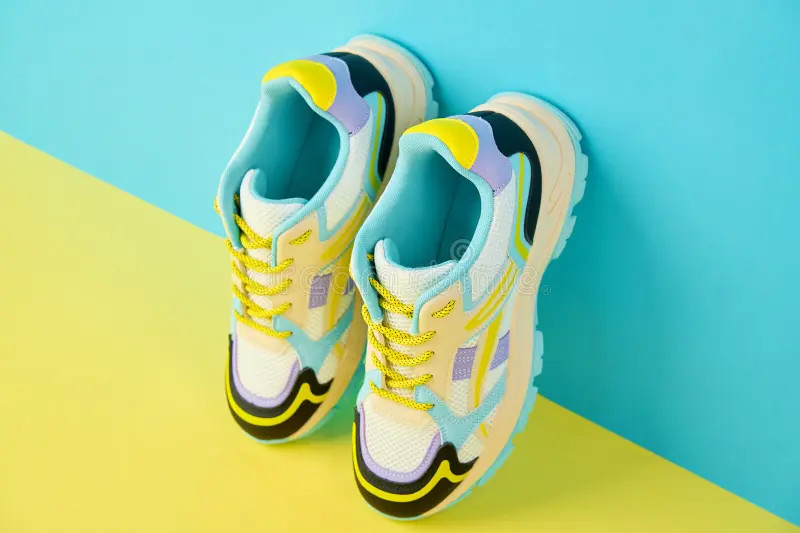
For brands with strong color palettes, using brand colors in the background blocks ties the product directly to the brand identity without needing additional design elements.
18. Looping Product Visuals
A looping product visual is a short repeating animation; the shoe rotates, spins, or transitions in a continuous loop with no visible start or end point. It gives the product motion and life without requiring the viewer to watch a full video.
For digital channels like paid ads, email campaigns, and social media carousels, a looping visual consistently outperforms a static image because movement naturally draws the eye.
A buyer scrolling past a static shoe image may not stop. But a shoe rotating in a smooth loop is much harder to ignore.
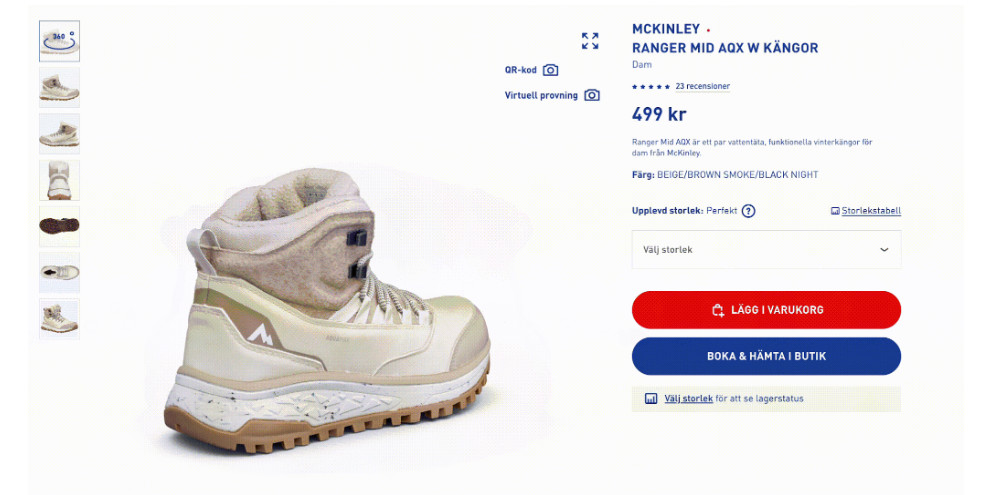
The thumbnail strip on the left of this product page shows multiple angles (sole, side, front, and back), all captured as part of the same 360 sequence.
v) Luxury and Premium Footwear Concepts
Luxury footwear photography focuses on lighting, materials, and composition to make the product feel more refined and premium. Here are some concepts:
19. Minimal Luxury Staging
Minimal luxury staging places the shoe on a single, carefully chosen prop. It can be a marble plinth, a stone slab, or a brushed metal block, against a soft neutral background with nothing else in the frame.
The prop isn’t a decoration. It’s a quality signal. Marble next to leather communicates premium before the buyer has read a single word of copy.
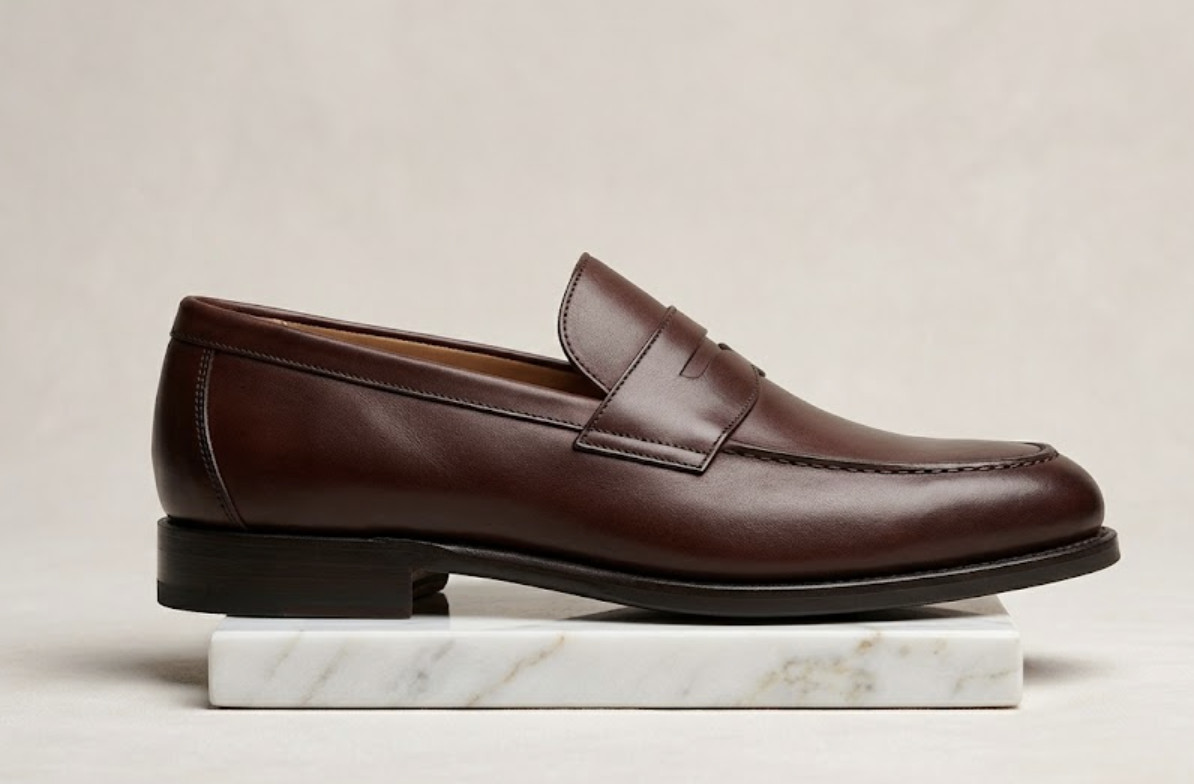
This approach works particularly well for dress shoes, formal footwear, and premium casual styles where the product’s design and materials are the selling point.
20. Reflective Surfaces
A reflective surface shot places the shoe on a high-gloss floor (lacquered black, polished acrylic, or mirrored perspex). So, the product casts a clean reflection directly beneath it.
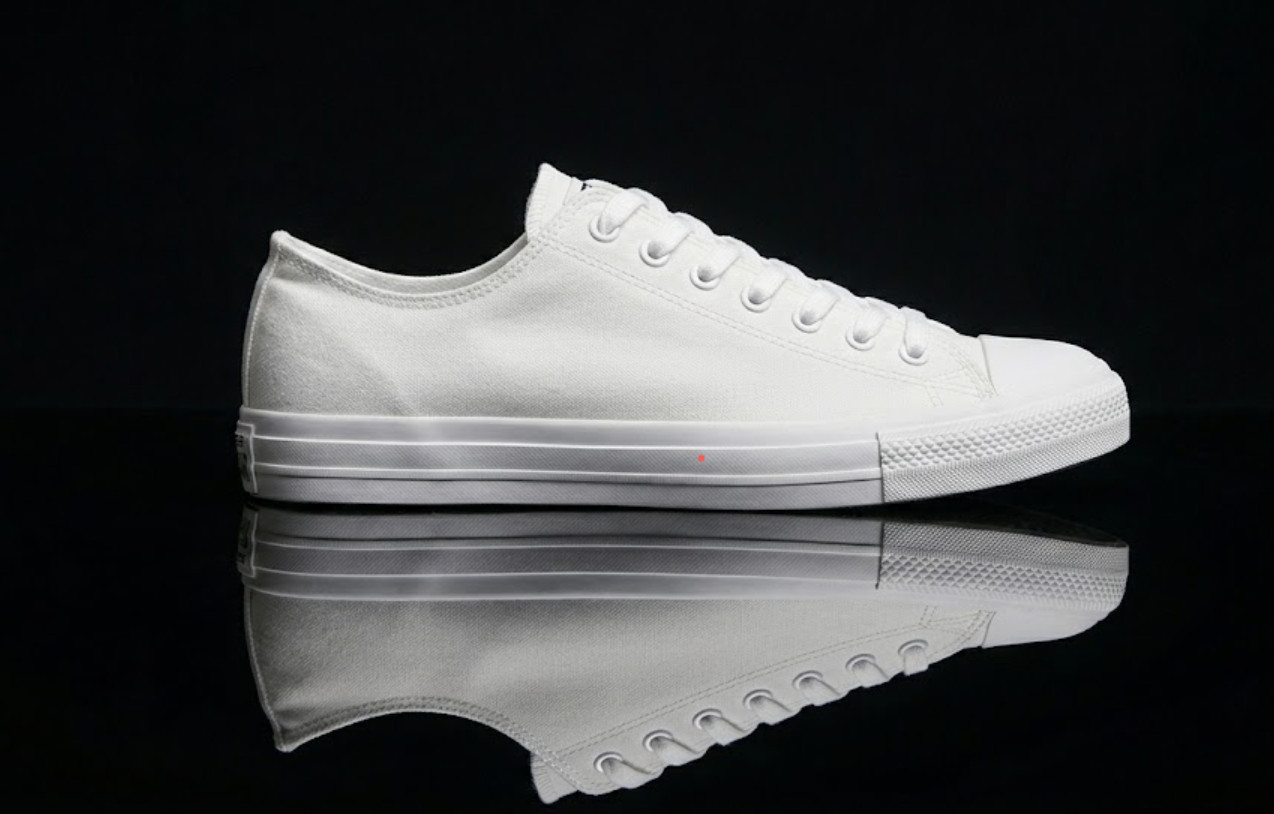
The high contrast between a white shoe and a dark surface makes every construction detail, such as sole edges, midsole lines, and canvas texture, read clearly.
For brands shooting darker colorways, the same setup works in reverse with a light reflective surface. Either way, the result feels more editorial than a standard product shot, yet clean enough for a product page.
21. High-contrast Dramatic Lighting
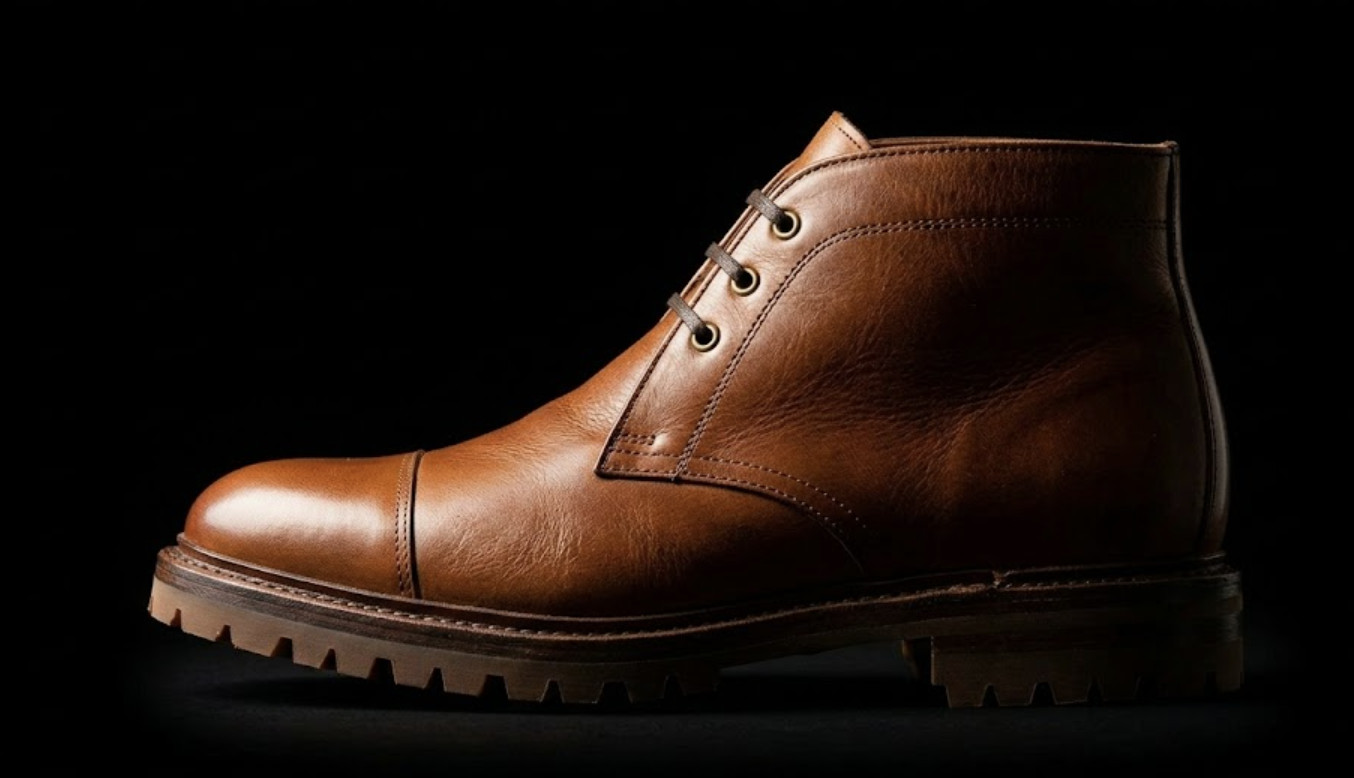
A dramatic lighting shot uses a single hard light source aimed at the shoe from one direction, one side fully lit, with the other fading into deep shadow. The background is black or near-black, with no props, no surface detail, and no ambient light.
.
The effect makes the shoe look sculptural. Leather grain, construction details, and stitching all become more visible under directional light than they ever would on a white background.
The Challenge of Scaling Creative Product Photography
Here’s where most footwear photography workflows become difficult to manage:
- Reshoots: A packaging update, a new colorway, or a brand guidelines refresh can make an entire set of existing imagery obsolete overnight. With traditional photography, updating means rebooking studios, recoordinating samples, and starting the production cycle again from scratch.
- Studio Costs: Each shot type has different lighting, setup, and styling requirements. Producing multiple shot types across a large catalog multiplies the cost at every stage.
- Seasonal Launches: Most footwear brands launch two or more collections per year, each needing a full set of imagery across multiple shot types and channels. The production timeline rarely lines up with the launch calendar.
- Campaign Timelines: Marketing teams need assets before campaigns go live, photography teams need samples before they can shoot, and samples arrive late. The result is campaigns launching with placeholder imagery or compromised creative.
- SKU Complexity: A mid-size footwear brand with 200 SKUs per season, each in three colorways, needing five shot types per product, is looking at thousands of individual images per launch. Traditional photography is not built for that volume.
How Modern Footwear Brands Scale Creative Content with AI and 3D
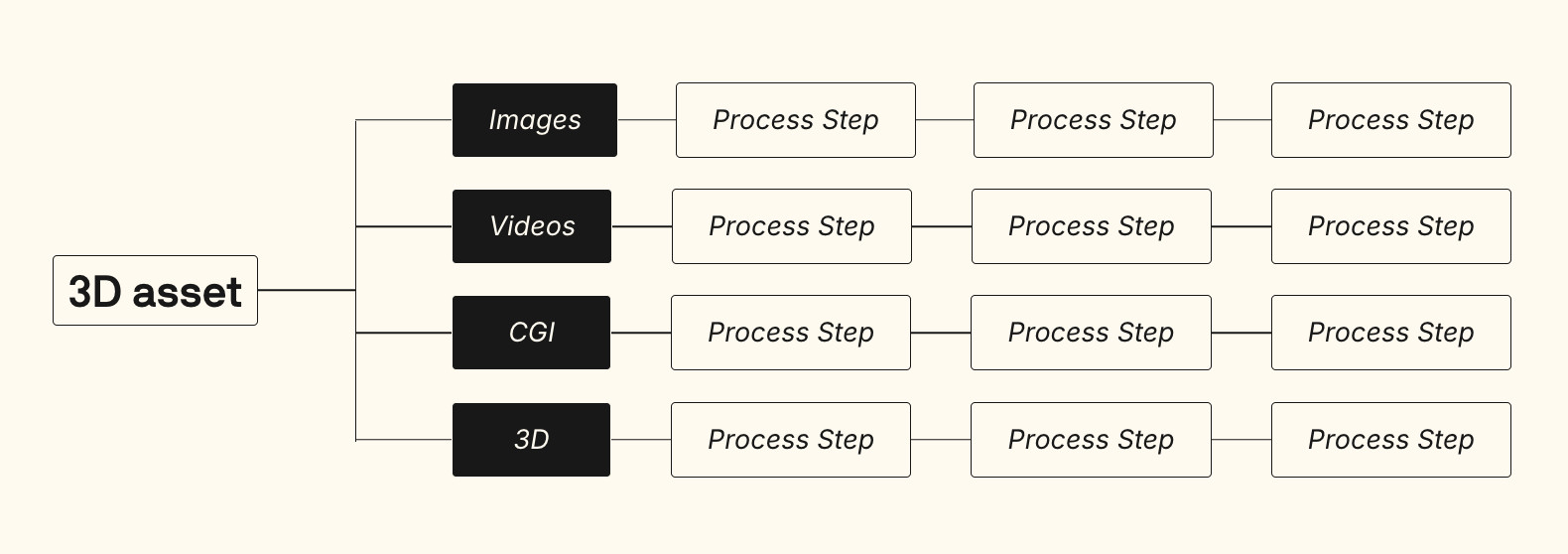
The production challenges above share a common root cause: traditional photography creates a separate deliverable for each output type, channel, and season.
3D-powered AI changes the production model entirely. Instead of a separate shoot for each shot type, a single 3D asset generates every format on demand, all from the same source file.
From one 3D asset, brands can produce:
- Floating compositions and clean packshots for product pages.
- Sole-focused and material close-up imagery for detail-driven buyers.
- Lifestyle renders for social and campaign content.
- Color-block and split-screen compositions for paid ads.
- Looping 360 visuals for digital channels.
- AR and virtual try-on experiences for mobile shoppers.
The results from Fibbl’s customers already running this workflow are measurable:
Brand | About | Result |
Swedish lifestyle brand with one of Europe’s largest footwear catalogs | 50% reduction in production time and cost, 6.3% conversion lift on 3D product pages | |
Samsonite | Global luggage and bag brand sold across 100+ countries | Shoppers who interacted with a 3D model were 50% more likely to convert |
Zach Footwear | London-based premium footwear brand handcrafted in Portugal | 29.4% reduction in returns, the brand reallocated its entire traditional photography budget toward 3D |
Sustainable footwear brand | Full content stack, packshots, lifestyle, 3D viewer, VTO, and AR |
AI Product Photography for Higher Conversions and Fewer Returns
Incomplete and poor product imagery is one of the leading causes of returns in footwear e-commerce. A buyer who purchases based on one side-profile image and receives a shoe that looks different from other angles will send it back. That is why detailed product photography matters. More angles, close-ups, and lifestyle visuals help buyers make more confident purchase decisions while reducing returns.
If you want to see what a 3D-powered content workflow looks like on your own catalog, get a free product scan by Fibbl.