Quick Summary
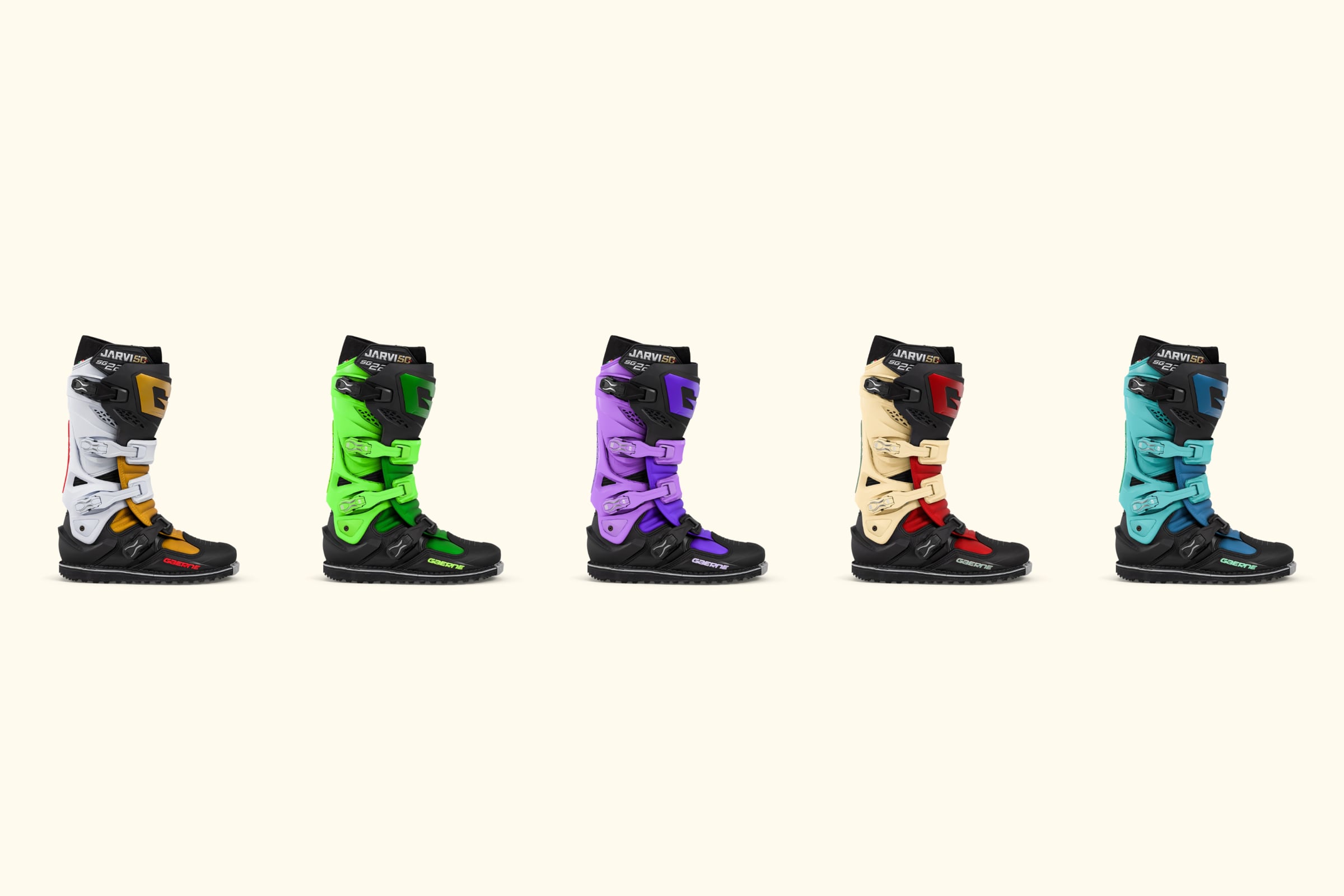
3D product visualization lets shoppers rotate, zoom, and inspect a product on screen, the way they would in a store. It replaces flat photos with an interactive model that also powers AR, virtual try-on, and marketing content. Brands use it to lift conversion, cut returns, and produce content faster. This guide explains what it is, how it works, where it wins, and how to get started, with a focus on the category that gains the most: footwear.
Why Static Product Images Are No Longer Enough
Online shopping has a trust problem. Shoppers can’t touch the product, feel the material, or see how it really looks. Flat images only go so far. That gap is where 3D product visualization comes in.
The shift matters because the product page is where buying decisions get made. A shopper who can’t judge a product hesitates, or buys and sends it back. 3D removes that friction by giving them a richer, more honest view before they commit.
Instead of a handful of static photos, shoppers get an interactive 3D model. They spin it, zoom in on the stitching, switch colors, and place it in their space using AR. The experience gets close to holding the product in hand.
This guide is a simple walkthrough. What 3D visualization is, how it works, how it differs from 360 photography, where it delivers value, and how to get started. Footwear runs through it, because no category gains more.
What Is 3D Product Visualization?
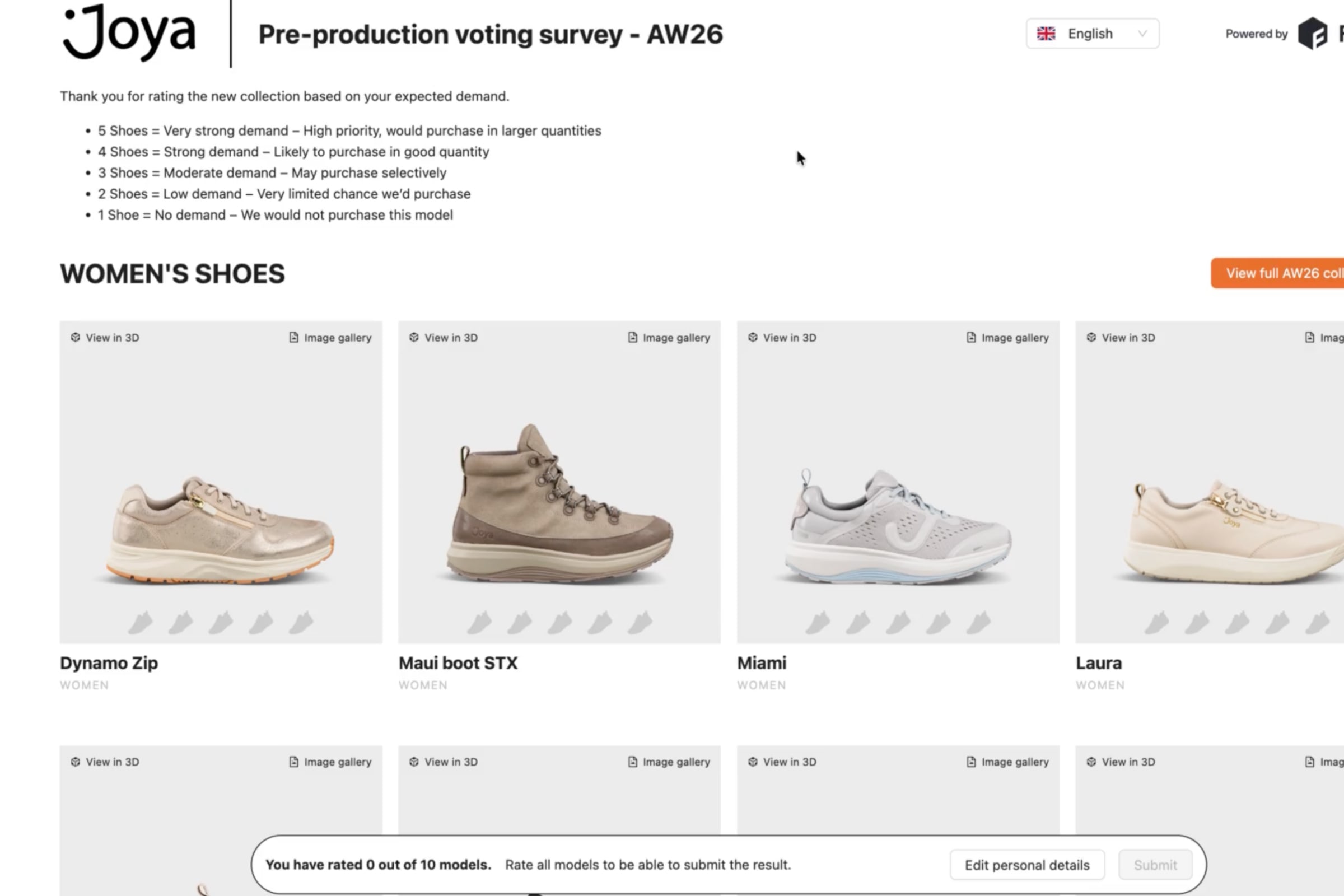
3D product visualization is the practice of turning a physical product into an interactive 3D model, then showing it across your store and channels. The shopper controls the view. Rotate, zoom, inspect from any angle.
You’ve probably used 3D product visualization without even realizing it. It’s the interactive sneaker you can rotate on a brand’s website, or the sofa you preview in your living room using your phone. It could also be the watch you virtually try on before buying. These experiences are all powered by 3D product visualization.
It starts with creating the 3D asset. Three methods dominate:
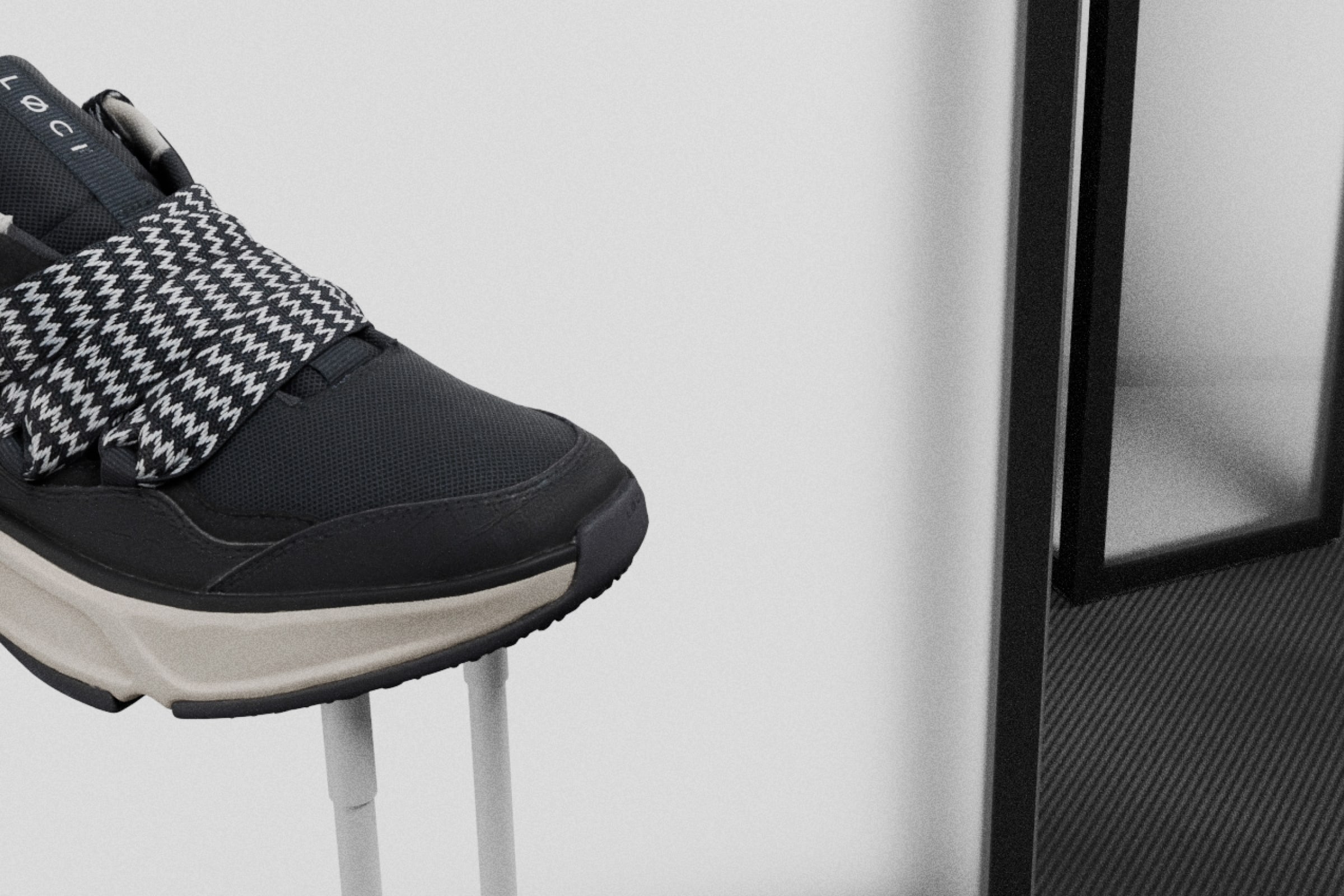
- 3D scanning. Specialized hardware captures the product’s exact geometry, color, and texture. It’s the most accurate route for real products.
- Photogrammetry. Software builds a 3D model from many overlapping photos. It’s accessible, but it struggles with reflective or complex materials.
- CAD or design-from-scratch. Artists model the product in software, often from design files. It’s common for products that don’t yet physically exist..
Which method fits depends on your goal. Real products at scale point to scanning, a quick internal test points to photogrammetry, and products still on the drawing board point to CAD. Plenty of brands use a mix.
Once the asset exists, it feeds everything downstream. A 3D viewer on the product page, an AR and virtual try-on, and packshots, lifestyle images, and video. One 3D model can generate countless marketing assets across every channel. See how it works.
But one point is easy to miss. Everything downstream inherits the quality of that first capture. An accurate asset produces clean viewers, realistic AR, and believable imagery. Whereas a rough one shows its flaws everywhere. Getting the asset right is the whole game.
3D Visualization vs Traditional 360 Product Photography
People often confuse the two. They aren’t the same thing. 360 photography is a sequence of photos stitched into a spin. The shopper rotates the product horizontally. It looks interactive, but they’re still flat images. You can’t zoom in on fine detail, change the color, view it in AR, or reuse it as a marketing asset.
3D visualization is a real model with depth. Here’s how they both compare:
Criteria | 360 Product Photography | 3D Product Visualization |
What it is | Stitched sequence of 2D photos | Interactive 3D model |
Interaction | Horizontal spin only | Full rotation, zoom, inspect |
Material and detail | Limited to what was shot | True geometry and texture |
AR / virtual try-on | No | Yes |
Reuse for content | Reshoot needed | One asset, many outputs |
New colorways | New shoot per color | Re-render from the model |
Scale | Manual, per product | Industrialized, catalog-wide |
The short version: 360 photography shows a product. 3D visualization lets shoppers experience it, and doubles as your content engine.
There’s a budget takeaway here. 360 photography is a recurring cost for every product and every update. A 3D model is an investment you make once and reuse. Over a full season, that difference compounds fast.
How 3D Visualization Has Transformed Shopping
The impact is measured, not hypothetical. Shoppers respond to it. In a Harris Poll survey, 60% of online shoppers said they’re more likely to buy a product shown in 3D or AR. Google’s advertising data shows that 3D ads drive roughly three times the engagement of standard display ads.
The reason is simple. Uncertainty is what kills online sales. When a shopper can inspect a product from every angle and picture it in their space, doubt drops. Confident shoppers buy more and return less.
Returns are the quiet tax on e-commerce, and 3D takes a real bite out of them. Studies of merchants adding 3D and AR report that returns fall by roughly a third compared with flat imagery alone. For a footwear brand, that margin recovered on every avoided round trip.
The business results follow. GANT ran 3D-first product pages and saw a 6.3% conversion lift across 13 markets. Zach Footwear cut returns by 29.4% after adding 3D and virtual try-on. Nubikk saw time on product pages rise 80% and purchases rise 52%.
The pattern repeats across brands and categories. Better product understanding means more sales and fewer returns.
It also changes how long shoppers stay. Interactive content holds attention in a way static images can’t. More time with a product usually signals greater intent, which is why engagement climbs wherever 3D appears.
Types of 3D Product Visualization
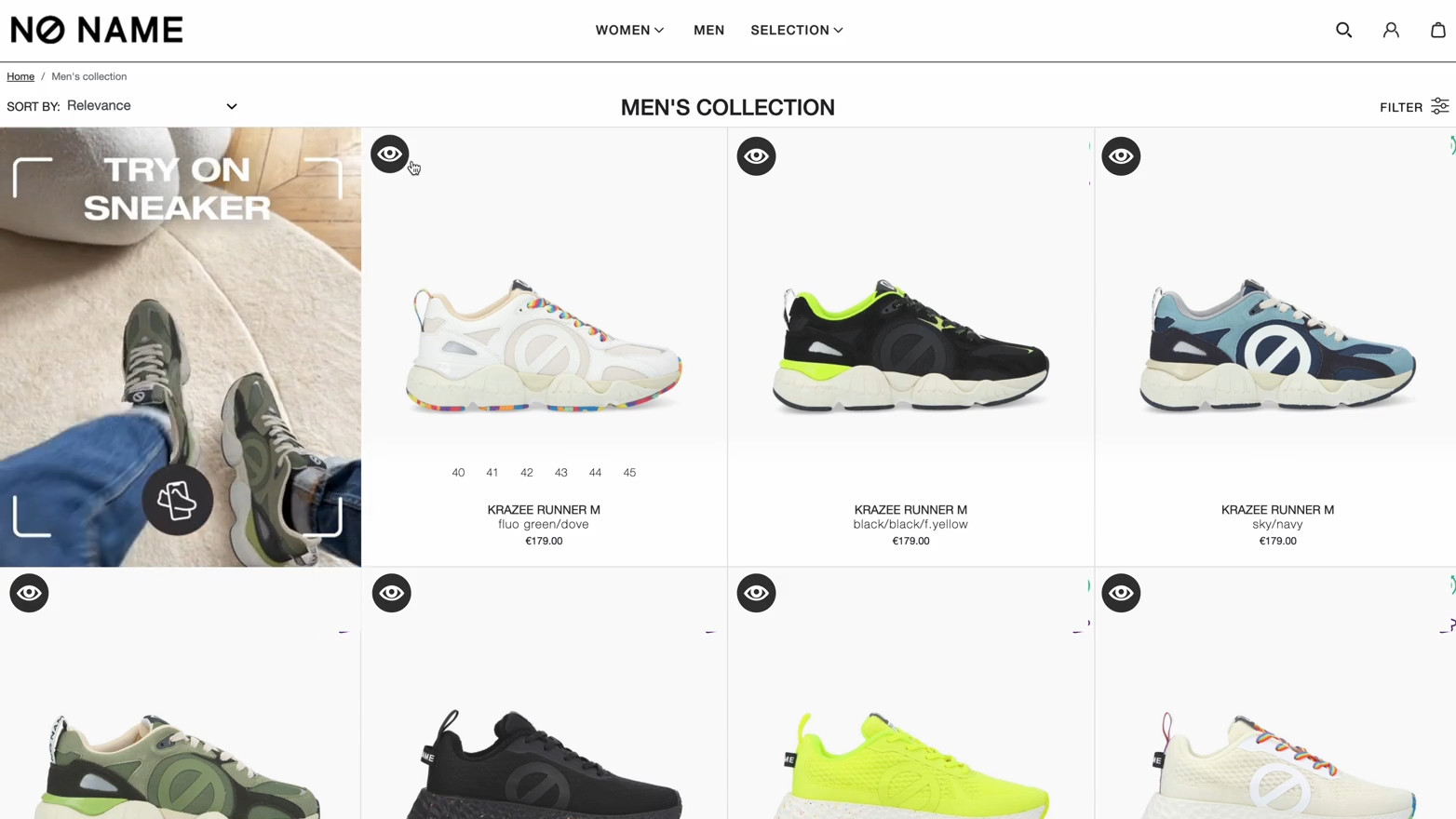
“3D visualization” is an umbrella term. These are the main formats brands use:
- Interactive 3D viewers. The core experience. Shoppers rotate and zoom on the product page. This is the 3D viewer most people picture first.
- Augmented reality. Customers place the product in their own space through a phone. See AR in action.
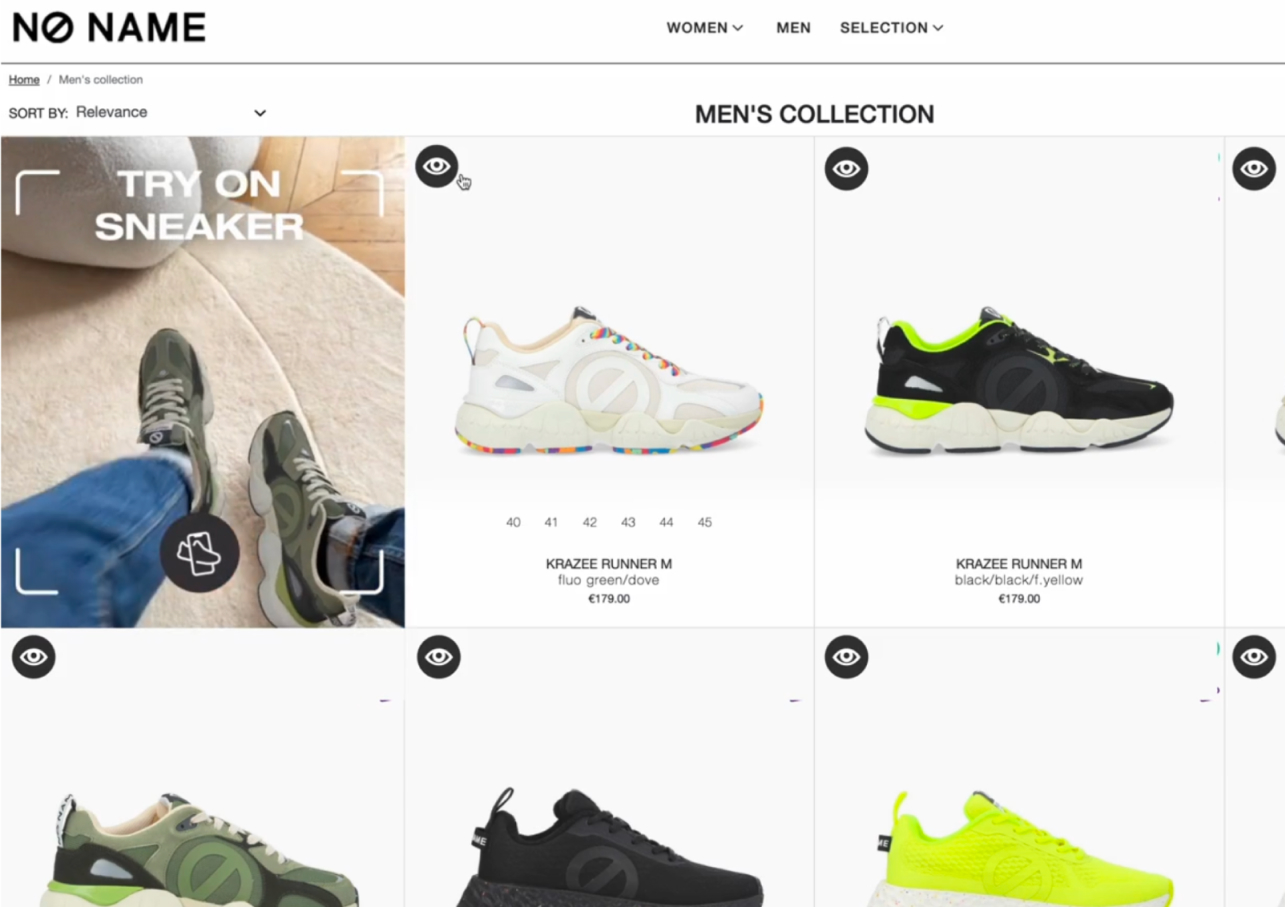
- Virtual try-on. The product maps onto the shopper’s body in real time. For footwear, onto the foot. This is a virtual try-on.
- 3D configurators. Shoppers customize color, material, and parts, and watch it update live.
- AI and CGI content. The same 3D asset generates packshots, lifestyle images, and video, shown in Fibbl’s product content.
Most brands start with a viewer and expand from there. These formats aren’t separate purchases. They’re outputs of the same 3D asset. Build the model once, and you can switch on a viewer today, AR next quarter, and try-on after that, without starting over.
3D Benefits for E-commerce Brands
The upside stacks across the funnel:
- Higher conversion: Interactive product pages sell better than static ones.
- Lower returns: Shoppers know what they’re getting, so fewer surprises come back.
- Content efficiency: One 3D asset replaces repeated photoshoots.
- More engagement: People spend longer with a product they can explore.
- One asset, every channel: Store, ads, social, and B2B all pull from the same model.
That last point is the one finance teams notice. The marginal cost of the next image, the next channel, and the next campaign drops toward zero once the asset exists.
Add it up, and 3D pays back three ways at once: revenue, cost, and customer satisfaction. See the full business case.
Few investments touch all three at once. Most tools cut cost or lift revenue. 3D visualization does both while improving the customer experience, which is a big part of why adoption continues to accelerate.
Top Industries Using 3D Product Visualization
3D visualization works hardest where products are complex, expensive, or hard to judge online. A few industries need it, such as:
- Footwear: The clearest winner. Complex materials, many colorways, high return rates. Brands like Samsonite, GANT, Tumi, Løci, and Nubikk already run 3D and AR across their catalogs.
- Bags and accessories: Same materials, same logic. Shoppers want to inspect leather, hardware, and size before buying.
- Furniture and home: Big-ticket items people want to place in their space first. AR shines here.
- Jewelry and watches: Fine detail and finish sell the product. 3D captures both.
- Automotive: Configurators let buyers build and view a vehicle in 3D.
- Beauty and eyewear: Virtual try-on drives the category.
The common thread: the harder a product is to judge from a photo, the more 3D helps. Two things separate the leaders from the rest. Product complexity and return rates. Where both run high, 3D moves from nice-to-have to necessary. Footwear checks both boxes harder than almost any category.
Why Footwear Brands Benefit the Most
Footwear sits at the top for a reason. Several, actually:
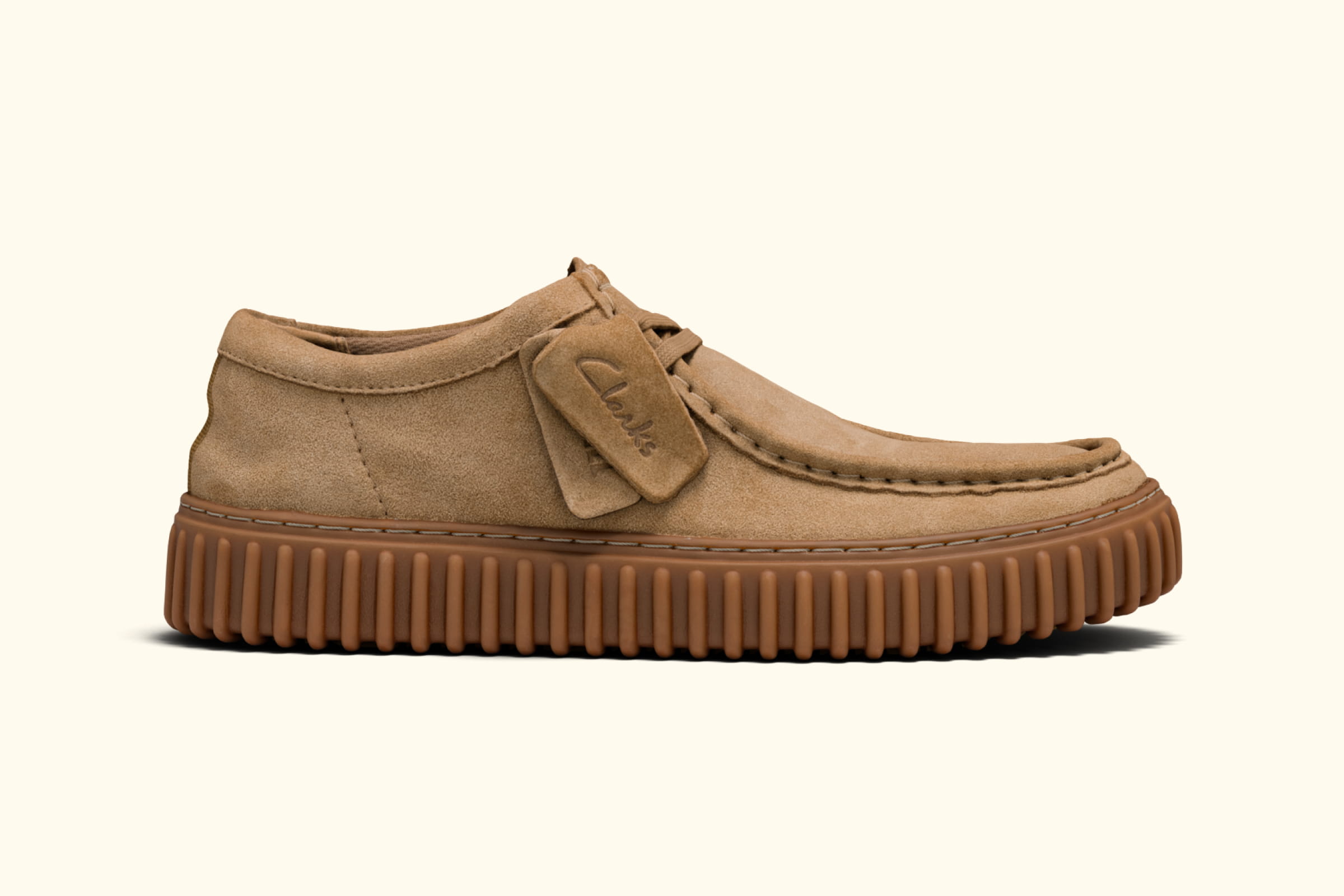
- Materials are punishing. Patent leather, suede, mesh, and knit are hard to shoot and easy to misrepresent. 3D captures them true to life.
- Colorways multiply. One style ships in many colors. Traditional photography means a shoot per colorway. 3D re-renders from the model.
- Returns are high. Fit and look uncertainty drives them. Shoppers who see a shoe in 3D and try it on virtually return less. Zach Footwear proved it, cutting returns 29.4%.
- Catalogs are deep. Hundreds of styles a season. Only an industrialized 3D workflow keeps pace. See how AI and 3D are reshaping the footwear industry.
There’s a competitive angle too. As more footwear brands adopt 3D, flat product pages start to look dated by comparison. Shopper expectations keep rising, and the brands that move early set the bar.
Common Use Cases
A single 3D asset works across the entire e-commerce stack:
- Product and collection pages: The interactive viewer, AR, and try-on live here.
- Social media campaigns: 3D-generated images and clips for organic content.
- Paid advertising: Dynamic product videos for Meta and TikTok, made from the model.
- Google Shopping: 3D and AR listings stand out in the shopping grid.
Google has pushed 3D and AR formats hard, and its own data shows 3D ads pulling far more engagement than flat display. A product listing that shoppers can rotate and inspect earns a second look that static competitors often miss. The same 3D asset continues to create value long after the ad campaign. It can be reused across every major customer touchpoint, including:
- Email marketing: Fresh product renders without a reshoot.
- Product launches: New styles get full content the day they exist, no sample shoot required.
- B2B and wholesale: Immersive 3D replaces physical samples for retail partners.
One asset powers every placement. That level of reuse is what drives the economics.
Notice that none of these placements need a fresh shoot. The asset built for the product page is the same one powering the ad, the email, and the wholesale deck. That is the quiet efficiency behind the model.
3D Product Visualization vs Traditional Content Production
The clearest way to see the value is to compare the two production models side by side:
Factor | Traditional Photography | 3D Product Visualization |
Setup | Studio, crew, samples | One 3D capture per style |
Speed | Days to weeks | Minutes per output |
Cost per image | High and recurring | Near zero after capture |
New colorways | New shoot | Re-render |
Content types | Photos only | Viewer, AR, VTO, images, video |
Updates | Reshoot | Re-render from model |
Scale | Linear with SKUs | Industrialized |
Traditional production makes one thing: photos. A 3D asset makes everything, again and again, at a fraction of the cost.
This is the shift that changes the math for growing catalogs. Traditional production scales linearly. Twice the products, twice the shoots. A 3D workflow breaks that line, because the cost sits in the capture, not the output.
How to Get Started With 3D Product Visualization
You don’t need to boil the ocean. A few steps get you moving:
- Audit your catalog: Find the products hardest to judge online. Start there.
- Choose a creation method: Scanning for accuracy at scale, photogrammetry for a low-cost test, or CAD if you work from design files.
- Pick a partner or platform: Look for category expertise, output range, and scalability. Our guide on choosing a 3D commerce provider helps.
- Build the asset base: Accurate 3D twins are the foundation for everything downstream.
- Deploy and measure: Start with product pages. Track conversion, returns, and engagement. Expand from what works.
Start with one product line, prove the numbers, then scale across the catalog. Set expectations with your team up front. The first assets take the most effort. Once the pipeline is running, each new product gets easier, and the content library compounds with every capture.
Conclusion
3D product visualization has moved from novelty to expectation. Shoppers want to explore products, not just look at them. Brands that deliver that see higher conversion, lower returns, and cheaper content.
For footwear and bags, the case is strongest. Complex materials and deep catalogs are exactly where 3D earns its keep. Waiting carries a cost, too. Every season on flat images is conversions left on the table and returns you didn’t have to take.
The best way to understand the quality is to see it on your own products. With Fibbl, brands can go beyond a basic 3D viewer. The platform combines enterprise-scale 3D production with a native Shopify integration, performance-optimized viewing, augmented reality, virtual try-on, and omnichannel asset distribution. This makes it easy to deploy immersive product experiences across every customer touchpoint.
So, get a free product scan or book a demo to plan your catalog rollout.